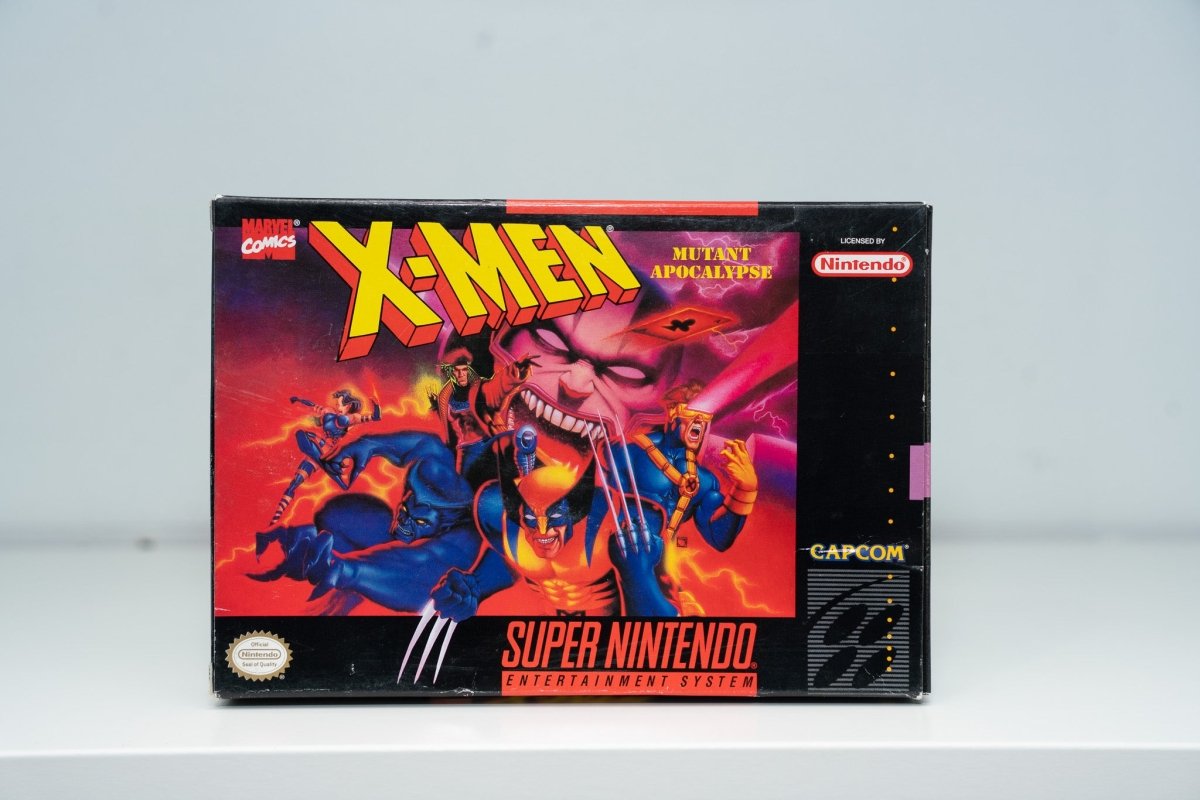
Hand-graded, photographed, described.

Video Games

5 pieces on the floor.

5 pieces on the floor

Filter

5 pieces on the floor

All pieces

About this collection

Video Games

Retro video games, consoles, controllers, manuals, strategy guides and accessories from 1983 through the early 2010s. Loose cartridges, complete-in-box releases, factory-sealed titles, import copies, and the occasional promo or demo disc. 540 active video-game pieces live on the shelf right now, spanning Atari through Sony PlayStation 3 and the Nintendo Wii. Every piece is one of one. When it sells, we do not restock it.

What this catalog covers across console generations

Retro video games are the most format-heavy category in the shop. A single console generation brings its own blanks, label variants, manuals, inserts, controller ports and regional-lockout quirks. The broad map of what lives in this case:

  • Atari 2600 (1977-1992) and Atari 7800 (1986-1992). Cartridge-era beginning. End-label variants and silver-vs-color cartridge shells matter for dating.
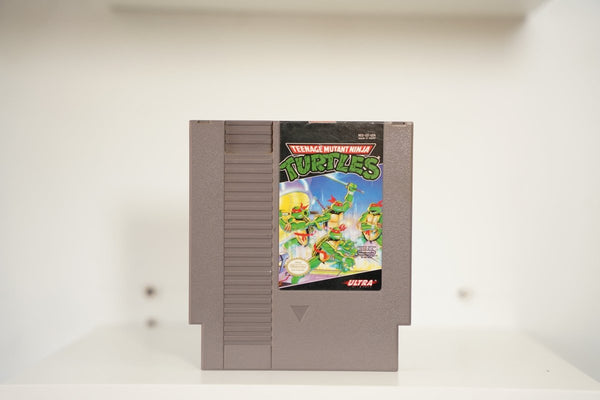
  • Nintendo Entertainment System (1985-1995, North America). 60-pin cartridges with the front-loading and top-loading console variants. Oval Nintendo Seal of Quality vs circle seal dates early vs late releases.
  • Super Nintendo Entertainment System (1991-1999). 16-bit, 46-pin cartridges, with the well-known purple-label vs Player's Choice vs Classic variants for pricing anchors.
  • Sega Genesis (1989-1998) and Sega 32X, Sega CD, Sega Saturn, Sega Dreamcast (1999-2001). The full Sega run, including the mid-90s add-ons that never quite found the market.
  • Nintendo 64 (1996-2002). Colored cartridge variants, expansion pak titles, the big three-prong controller.
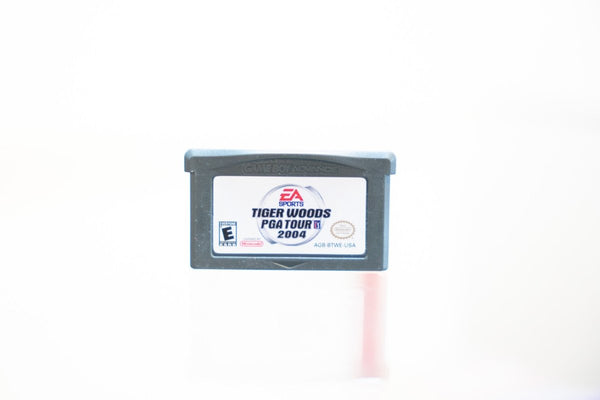
  • Game Boy (1989), Game Boy Pocket, Game Boy Color (1998), Game Boy Advance (2001) and Game Boy Advance SP. Handheld cartridge era.
  • Sony PlayStation 1 (1995), PlayStation 2 (2000), PlayStation 3 (2006). Disc-era Sony, through the PS3 Slim and Super Slim generations.
  • Microsoft Xbox (2001), Xbox 360 (2005). Disc-era Microsoft.
  • Nintendo GameCube (2001), Wii (2006), Wii U (2012). Optical-disc-era Nintendo.
  • Nintendo DS (2004), 3DS (2011) and PSP (2004). Modern handheld era.

Cultural and market markers worth knowing: the Nintendo Seal of Quality transitioned from an oval design to a circular gold seal in the early 1990s, and the black text vs gold text on the seal helps date NES releases. SNES Player's Choice re-releases run on a white label with a red banner; originals carry the full-color art label. N64 cartridges shipped in colored plastic variants that sometimes mark limited releases. Sega Genesis went through a cartridge-shell redesign between the first and second retail wave. Early PlayStation 1 discs use black-bottom pressings for the first release year and silver-bottom for Greatest Hits re-releases. These are the anchors we use when we date a piece.

How to tell a real retro game from a reproduction

Reproduction carts and discs are a real category in retro games. Some are honest fan-reproductions of unreleased or import-only titles; some are fakes sold as originals. The anchor signals we use on the floor:

  • Label print. Original Nintendo, SNES and Genesis labels are offset-printed with real ink. Repros often read slightly pixellated if scanned, have off-center printing, or run glossier than the originals. Under a loupe, the dot pattern is visible on genuine period labels.
  • Cartridge shell. Genuine Nintendo NES cartridges are 60-pin; Famicom is 60-pin but shaped differently; genuine SNES is 46-pin. The shell color on back, the presence and shape of the lockout pin screws, and the molded Nintendo text on the underside all carry period details. A cartridge held together with Phillips-head screws on a platform that shipped with security bits is a pulled-and-reshelled cart.
  • Board inside. For suspected fakes we will open the cart. Genuine Nintendo boards from 1987 to 1994 carry NES-001 through NES-GPM board codes and the Nintendo seal on the PCB. A Famiclone-style board or a generic Chinese reproduction board is obvious once the cart is open.
  • PlayStation disc bottom. Genuine PS1 black-bottom discs are a security feature of the original pressing era and cannot be faithfully burned on consumer hardware. A PS1 disc with a silver bottom is either a Greatest Hits re-release (legitimate) or a burned reproduction (not).
  • Manuals and inserts. Original manuals are offset-printed on specific paper stock, with correct staples, correct font weights and correct print color. Modern reproductions photocopy or laser-print; the difference under a loupe is immediate.
  • Case and insert match. A loose cart in a third-party clear plastic sleeve is fine and sold as loose. A cart represented as complete-in-box needs to have the original box, insert tray, dust sleeve, manual and any point cards from the release. We call the grade for each piece, not the overall impression.

The full label-variant and board-code breakdown by platform lives in the SNES cartridge label variants guide. Platform-by-platform walkthroughs cover NES, Genesis and PlayStation on the same hub.

How KIC sources and grades retro games

Games come in from estate sales, private collector buyouts, the walk-in counter at the shop, and the occasional lot from a gaming-store closure. Every console we sell is plug-tested on a CRT or a period-appropriate modern set before it ships. Controllers are tested on real hardware. Cartridges and discs are cleaned with isopropyl and a lint-free cloth, checked for save-battery corrosion on the platforms where that matters (most 16-bit and older save-dependent cartridges), and booted to the title screen at minimum before being listed. Save batteries that are dead on arrival are called out on the PDP.

We grade by a six-tier scale laid out on the condition guide. Loose carts are sold as loose; CIB is CIB only when the box, manual and inserts are present and period-correct; sealed is sealed only when the factory shrink is verifiable. Any label wear, rental-store sticker, or case damage is photographed and noted. We do not sharpie over previous-owner writing; we photograph it and disclose it.

Inventory depth and typical price bands

540 active game-related pieces in the case this week. Rough shape by sub-category:

  • Loose NES and SNES cartridges: typical $5 to $40, with scarcer SNES titles (Chrono Trigger, Earthbound, Final Fantasy III) running much higher when clean.
  • Sega Genesis and 32-bit Sega: typical $5 to $30, with first-party standouts and complete-in-box copies running higher.
  • N64 loose cartridges: typical $10 to $50. The first-party Nintendo flagships (GoldenEye, Starfox 64, the Mario and Zelda titles) sit at the top of that band.
  • PS1 and PS2 disc titles: typical $5 to $40. Complete cases with inserts carry a premium.
  • PS3, Xbox 360, Wii and GameCube: typical $5 to $30, with standout Wii and GameCube first-party running higher.
  • Game Boy and Game Boy Advance: typical $10 to $40. Pokemon titles and first-party platformers carry the premium.
  • Consoles (tested, working, with controller): typical $80 to $200, depending on platform and condition.
  • Strategy guides and manuals: typical $10 to $35.

Fresh intake hits the shelf weekly. Console lots move fast; complete-in-box NES and SNES move faster.

Start with these pieces

Pair this collection with the Nintendo sub-case, the Sega sub-case, and the PlayStation sub-case for platform-focused browsing. Cross-reference the VHS case for era-adjacent plastic-media collecting, the tees case for gaming graphic tees, and the new arrivals feed for the freshest drops. Plug-test demos happen in-store at Container Park on East Fremont.

Identification field guide: Region codes, label revisions, save-battery condition language, and the seven-point reproduction red flag checklist used in our shop. See how to identify retro video games for the full hub.

Video Games

Questions, answered

Questions about Video Games

Every cart, console, and CIB copy in the case gets tested on period hardware and photographed under natural light before it hits the floor. This page answers what collectors actually ask us at the counter: label eras, counterfeit tells, save-battery status, sealed premiums, regions, returns. If the answer you need is not here, email info@keepitclassiclv.com or pull up to 707 E Fremont Street, Suite 1170.

From our retro video game inventory

Cartridges, discs, and accessories on the floor

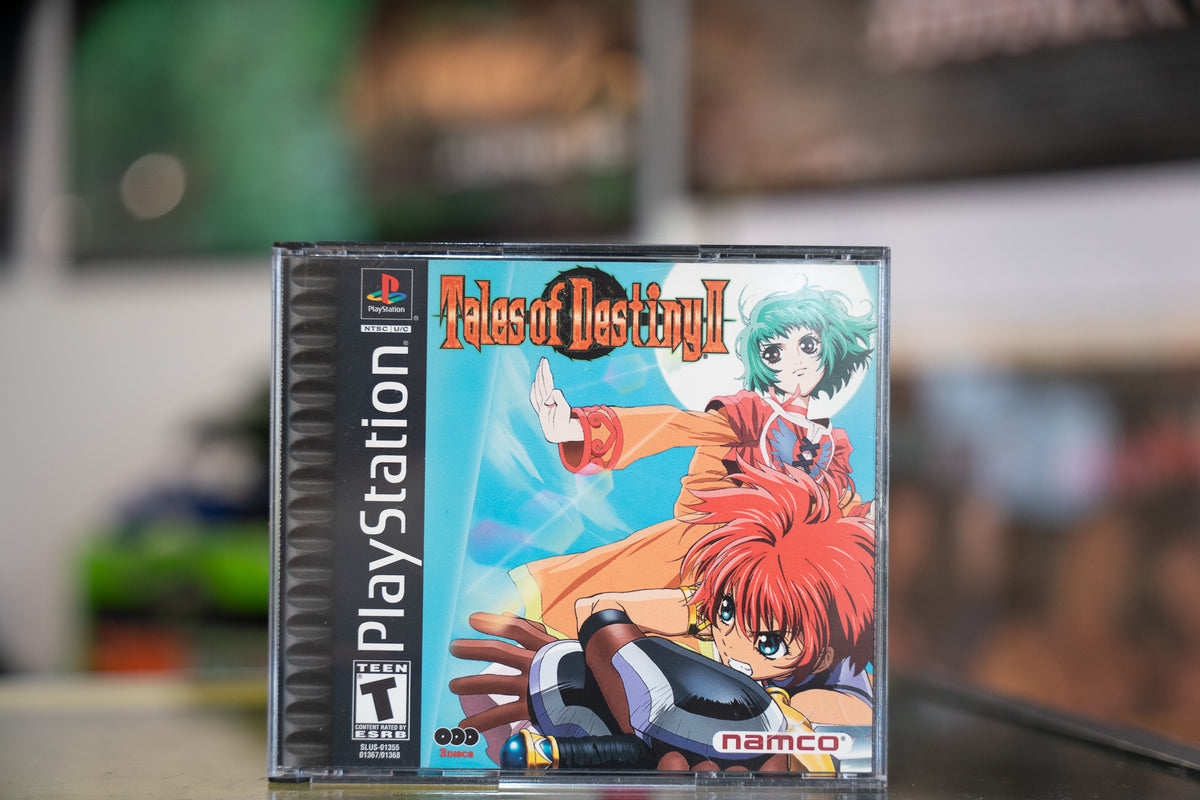
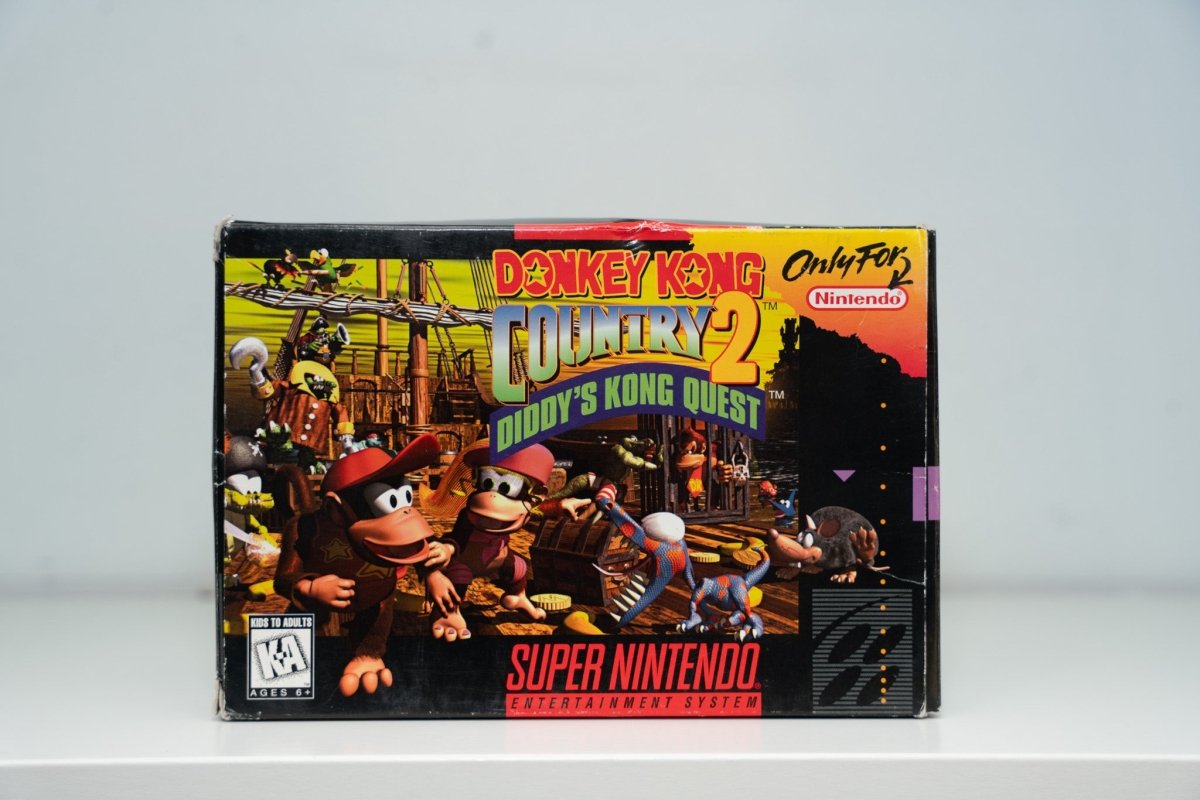
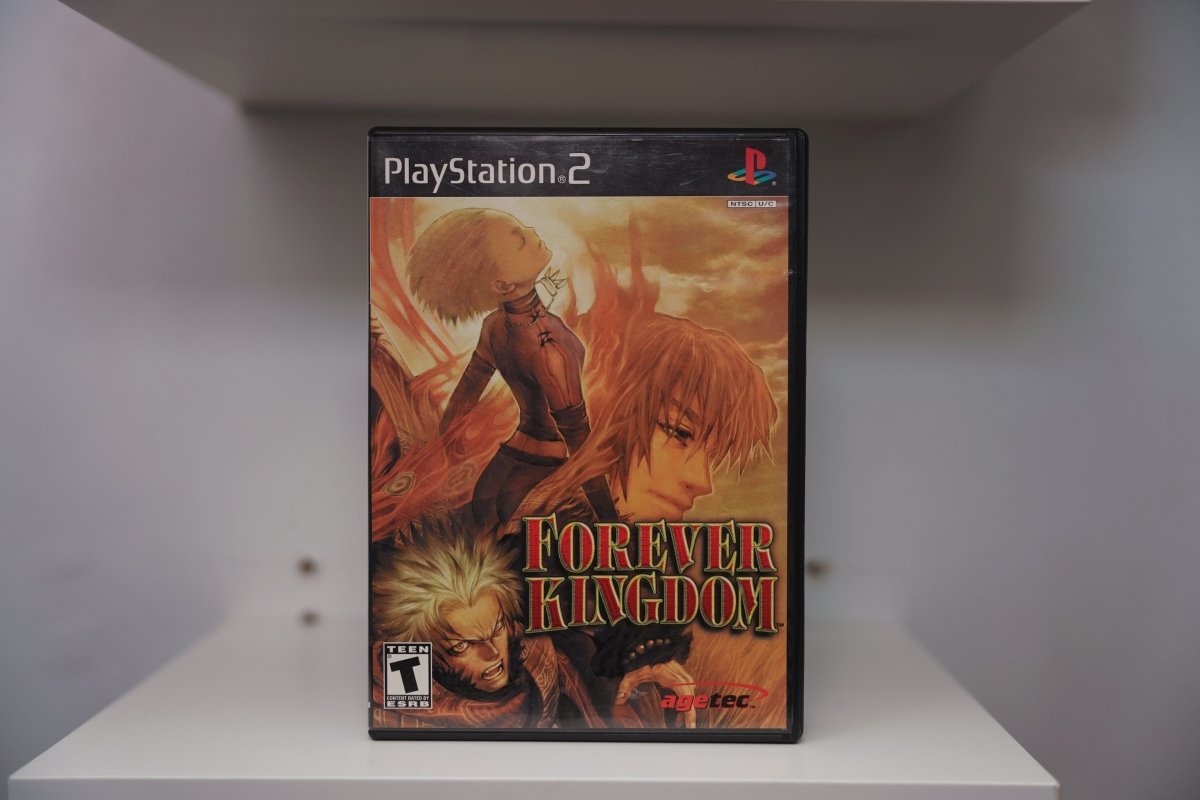
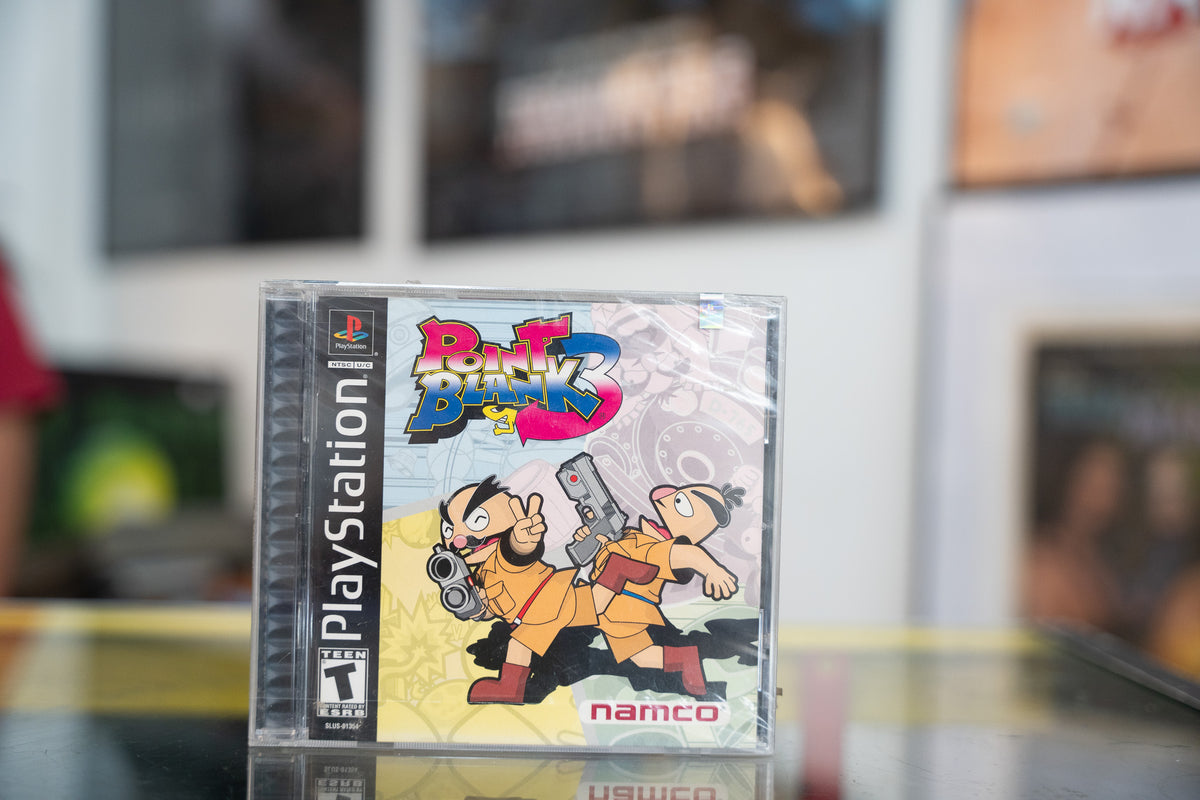
A slice of the retro game wall: Nintendo, Sega, PlayStation, Xbox. Loose carts, complete-in-box, peripherals. Each piece is one of one in this condition, with the cart, sleeve, or case photographed in the listing.

Browse the full retro video game collection for the current wall.

Are the cartridge labels original or reprints?
Every cart in the case is an original factory label unless the listing explicitly says otherwise. No aftermarket reprints, no peeled-and-restuck jobs, no laser-printer glossies. If a label is torn, sun-faded, or has shop-price residue from a 1996 Blockbuster, we photograph it and call it out. Label wear is part of the provenance, not a defect to hide.
How do you spot counterfeit carts?
Asian-market counterfeits (heavy on SNES and N64) have tells we check on every intake: slightly-off Nintendo screws (Phillips instead of 3.8mm gamebit), wrong cartridge shell shade, font kerning that does not match Nintendo of America stamps, a hollow-sounding shell, and a PCB that reads Glop Top instead of a genuine mask ROM. Genesis repros show up with flat-finish labels and wrong shell seam alignment. When a piece fails any of those checks, it does not make it to the floor.
How do you date a SNES, N64, or Genesis cart by the label?
SNES US labels fall into two eras: the original white-border print (1991 to 1994-ish) and the Player's Choice million-seller gold banner that followed. N64 US labels stayed consistent 1996 to 2002 but the serial sticker on the back (NUS-XXX-USA format) confirms region. Sega Genesis went through three US label eras: the black tall-box clamshell era, the Sega Classics red-stripe reissue, and the late Majesco budget reprints from 1998 onward. We note the era on every listing.
Does the game actually work?
Yes. Every cart gets tested on period-correct hardware before it goes in the case. SNES on a 1CHIP SNES, N64 on a launch console, Genesis on a Model 1 VA6. We power on, get to the title screen, and play a few minutes of actual gameplay. Save-battery titles (Zelda, Pokemon, Final Fantasy) get the battery voltage checked. If a save battery is dead, the listing says so.
Are batteries replaced on save-state carts?
Not by default. Most of our Zelda, Pokemon, and Final Fantasy carts still hold saves on the original 30-year-old CR2032. We test voltage and disclose the reading. If you want a fresh battery soldered in before shipping, message us and we will quote the service (usually $10 to $15). Replacing a battery voids nothing on a loose cart, but collectors buying sealed or CIB copies usually want the original left alone.
Are carts cleaned before they hit the case?
Labels are lightly wiped with a dry microfiber. Pin connectors get 99% isopropyl on a cotton swab when the contacts show oxidation. We do not Magic-Eraser labels (it kills the ink), we do not repaint shells, and we do not deep-clean anything that would alter provenance. Game genie grime that belongs to the cart stays on the cart.
What is CIB and why does it cost more than loose?
CIB means Complete In Box: cart, original box, original manual, any inserts or poster maps that shipped with it, and the plastic dust sleeve on SNES titles. A CIB copy of a common game can run 3 to 5 times the loose price. Rare CIB (Earthbound with the scratch-and-sniff Player's Guide, sealed Conker's Bad Fur Day) goes up from there. We grade loose, CIB, and sealed separately. Every CIB listing shows the box, the manual, the inserts, and the cart in four separate photos.
How do you grade the manual?
Manuals grade on four axes: cover wear, spine integrity, page yellowing, and writing or stamps. A Mint manual has sharp corners, a tight spine, no writing, and no rental-store markings. A Good manual shows reading creases down the spine and maybe a kid's name in pencil on the inside cover. We photograph every manual cover and call out ink, tape, missing pages, or water damage in the listing.
What about the box? How do you grade sun fade and crushed corners?
Boxes get the roughest life of any gaming artifact. We grade on a 10-tier scale (see our condition scale): sun-faded reds on Mario boxes are the most common issue, crushed corners from toy-box storage are second, and price-sticker residue is third. We never rehydrate a crushed corner or color-correct a faded spine. The photos show the box as it is, lit flat in natural light.
Sealed vs opened: how much of a premium?
Sealed factory-shrink copies carry a real premium, usually 4 to 10 times CIB on common titles and more on rare ones. We only list sealed when the shrink has the original Y-fold or H-seam that matches the factory pattern for that title and era, and we photograph the seal from every angle. Resealed copies (common scam in the PS1 and N64 market) fail the seam check and do not make the case. Sealed games are final sale: opening voids the premium.
Do you carry PAL and Japanese imports?
Yes. PAL (European) and NTSC-J (Japanese) copies show up in the case regularly. JP-only titles (Bahamut Lagoon, Radical Dreamers, Seiken Densetsu 3 pre-Collection of Mana) are the main reason collectors go import. You need a region-free console or a region adapter to play them on US hardware. PAL games run at 50Hz on original consoles and will look slightly squished and slower than NTSC. Every import listing states the region in the title and the first line of the description.
Do you sell working consoles too?
Yes, though consoles are a separate search from carts. We rotate SNES, N64, Genesis, PS1, PS2, GameCube, Dreamcast, and occasional Saturn or TurboGrafx into the floor when clean units come in. Every console is tested, the 72-pin connector is checked on NES units, expansion ports are verified, and AV cables plus a period-correct controller are included. Power supplies are tested under load.
What is the return policy on opened games?
Online orders: 14 days from delivery for store credit or exchange. Buyer covers the return label ($7). Loose carts must come back in the same condition they left: no new scratches on the label, no new dust on the pins. In-store: exchange or store credit only, 14 days with receipt. Sealed games are final sale once the shrink is broken. See our full return policy for the fine print.
Can you find me a specific title, region, or grade?
Yes. We hunt for holy-grail titles, specific label variants (Not For Resale promos, Nintendo Power mail-order copies, Rev A vs Rev B board variants), and sealed or graded copies of anything you are chasing. Email info@keepitclassiclv.com with the title, the region, and the grade you want. No deposit, no obligation. We pull from our intake and our network and send you what we find before it goes in the case.
How do I tell if a retro game cartridge is an original or a reproduction?
Five checks. First, the label: originals use screen-printed inks that feel flat and matte; repros often print on glossy inkjet or laser stock that catches light. Second, the screws: Nintendo cartridges use 3.8mm security bit screws; Phillips-head screws on a NES or SNES cart mean it has been opened. Third, the back label: original carts show a Nintendo serial number pattern (N-USA, USA-NES-, SNS-). Fourth, the board: open it only if you own a 3.8mm bit, and look for a mask ROM with a Nintendo-licensed chip stamp versus a generic flash chip. Fifth, the weight: original Genesis and SNES carts are heavier than most repros. Every cart we sell is tested and boxed where applicable, and the listing calls out label condition, board integrity, and tested status.

Every piece in this collection earned its spot through hands-on sourcing, condition grading, and a lot of late nights. We pull from estate sales, dead-stock attics, and the occasional miracle. If it is here, we trust it.

One of one.Ships from Las Vegas.One of one.Ships from Las Vegas.One of one.Ships from Las Vegas.