

Our Sourcing
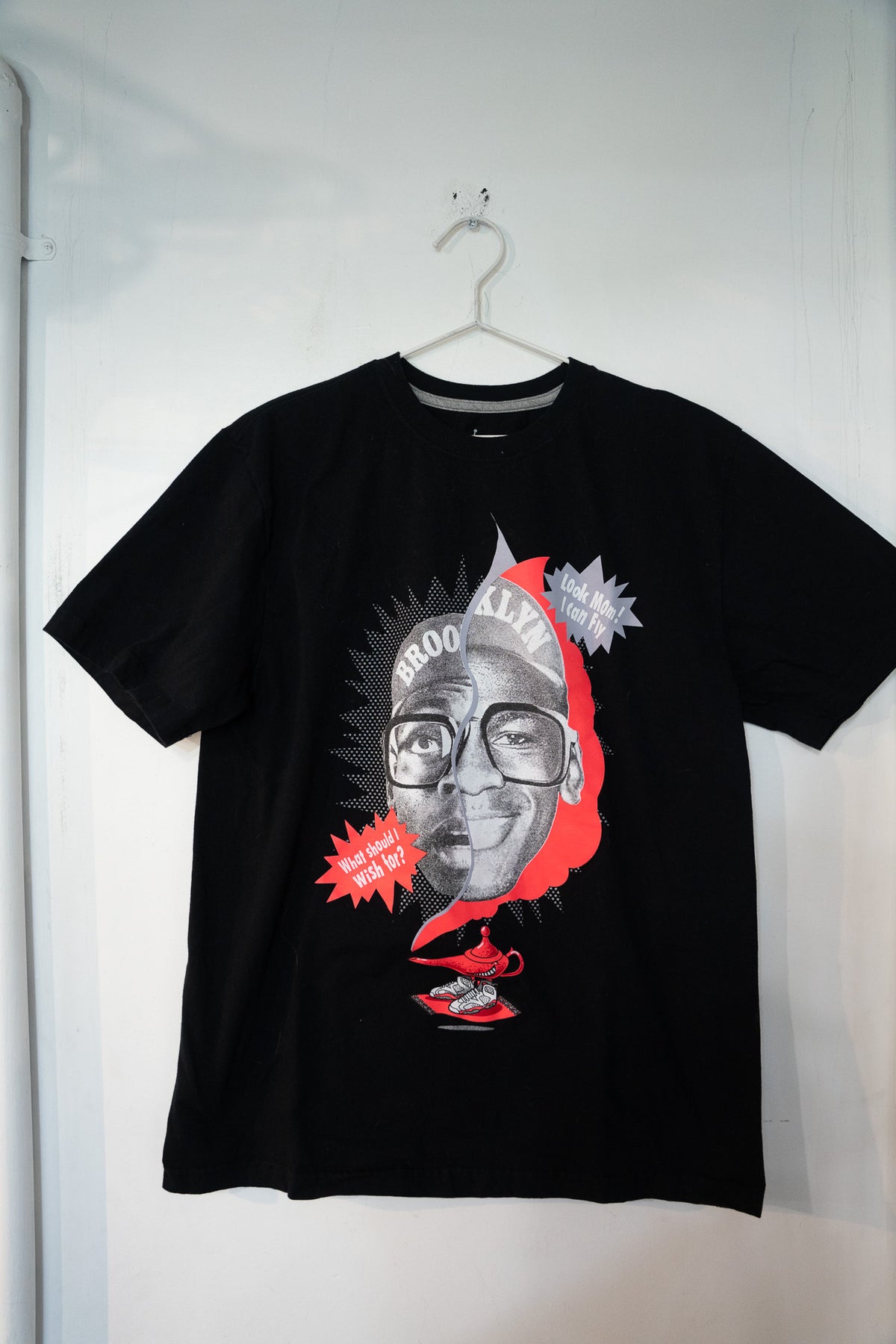
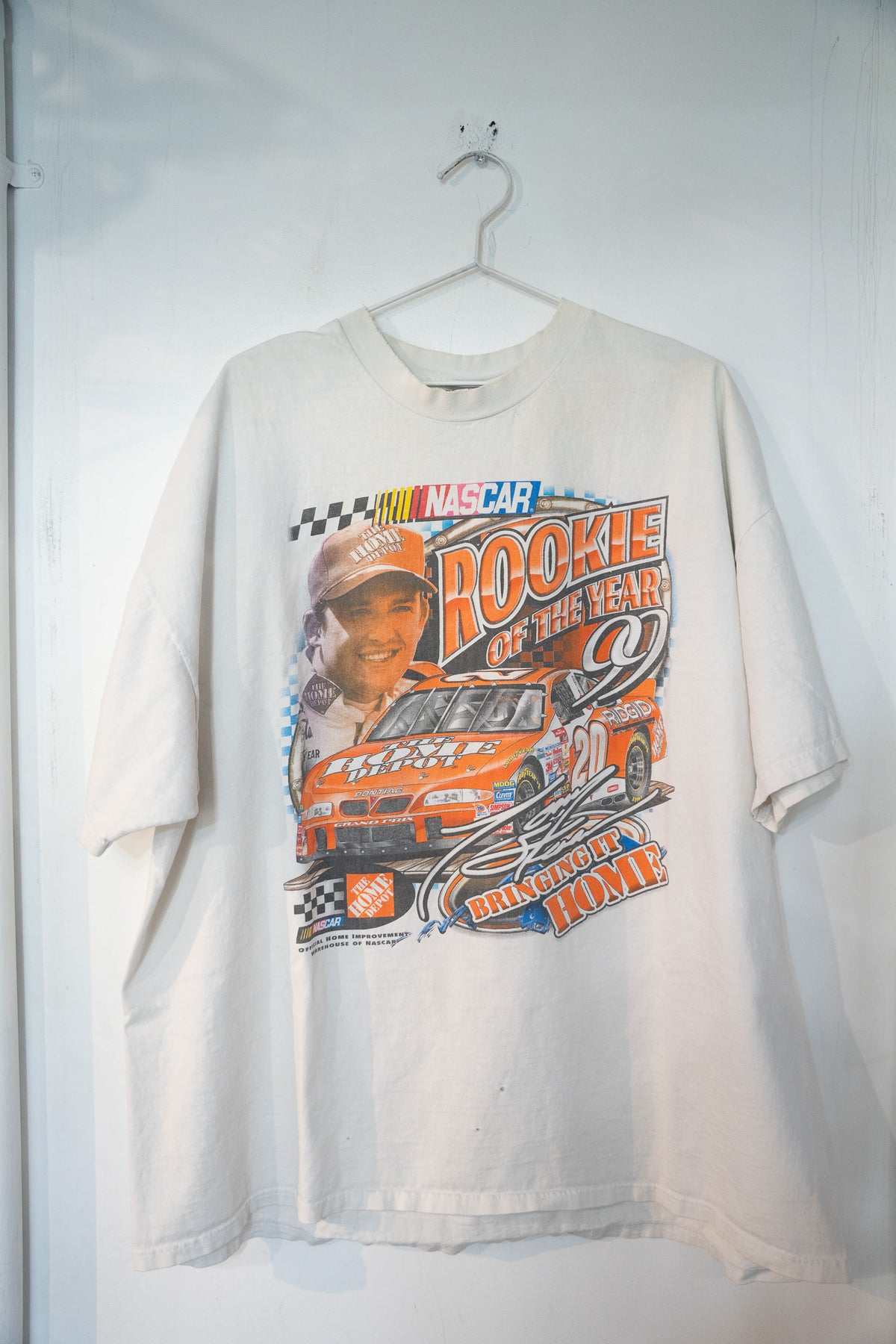
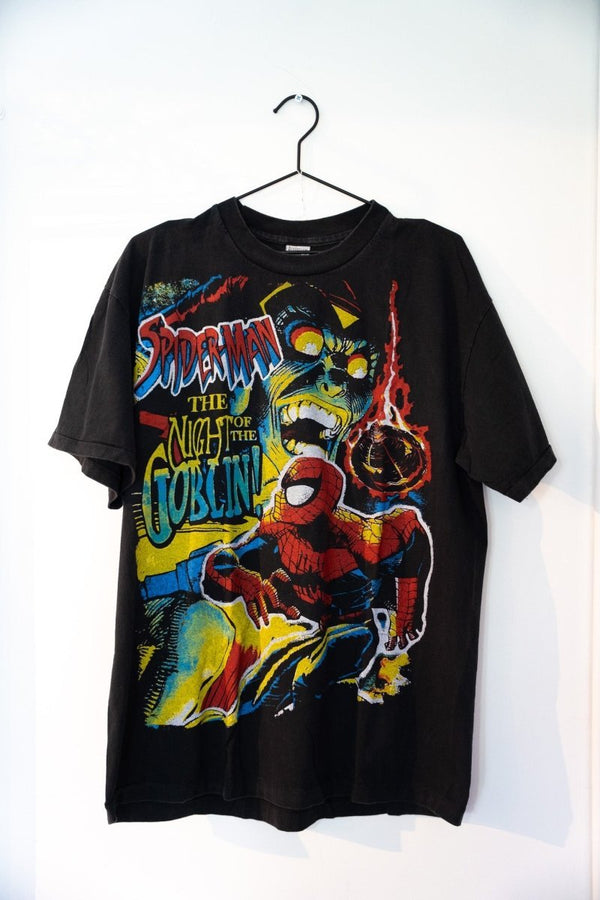
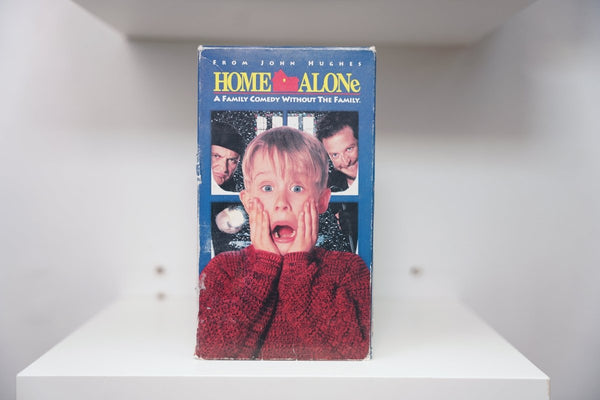
Every piece in the shop got here on purpose. Nothing arrives by accident, nothing gets listed because it filled a slot. The inventory you see at 707 East Fremont is the result of a slow, selective sourcing process across a network we have spent years building.
A tight shop of authenticated, one-of-one vintage means we say no more often than we say yes. That is the job.
Where our inventory comes from
Our pieces come from four kinds of channels:
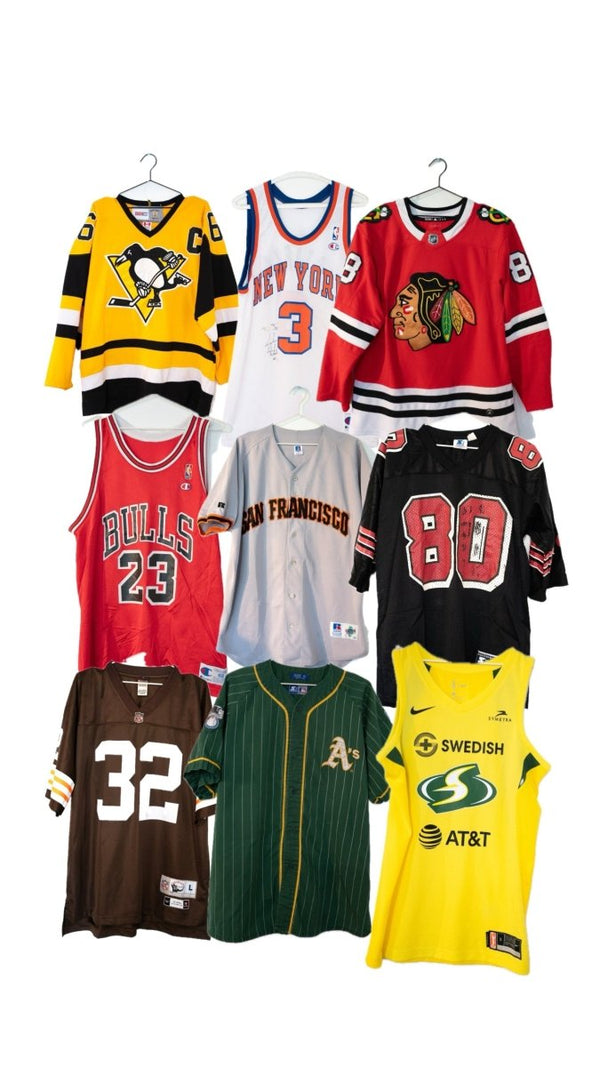
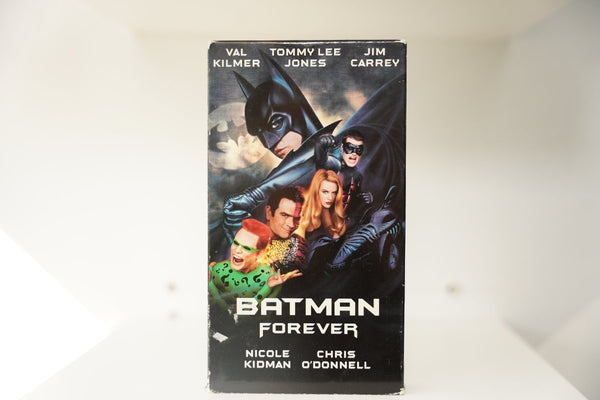
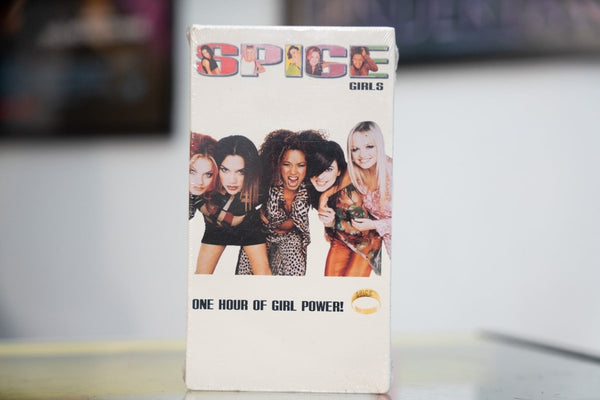
- Estate sales. Families and estate managers liquidating collections built over decades. Most of our rarest jerseys, VHS lots, and toy inventory come from this channel.
- Private collector networks. Long-term relationships with collectors who know what we carry and bring lots to us when they are ready to move a piece of their collection.
- Vintage markets and regional shows. Flea markets, toy shows, video-game conventions, and sports memorabilia events across the country.
- Warehouse lots and dealer partners. Pallet-scale acquisitions from wholesalers and retail partners unwinding deadstock or specialty inventory.
We do not accept walk-in offers at the shop. We do not run a buy counter. Our sourcing happens through private channels and direct outreach.
What we are looking for right now
Our focus shifts as the shop evolves. Current priorities:
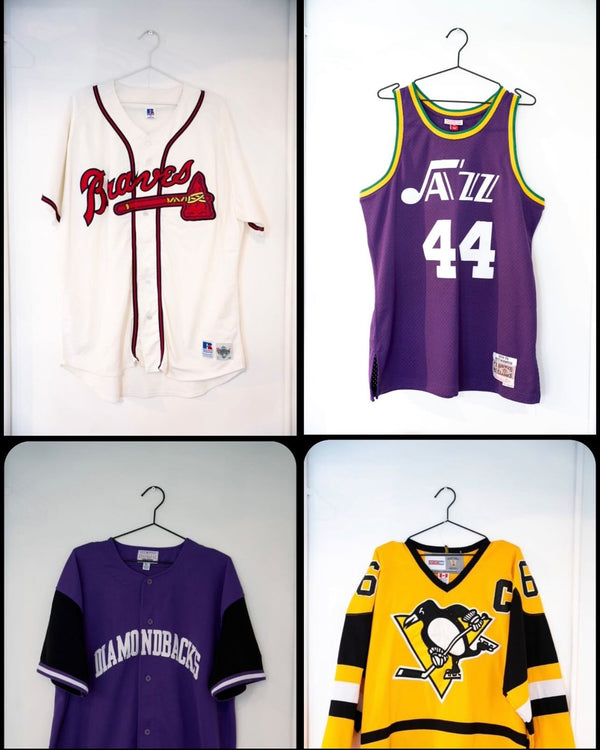
- Pre-2000 NFL and NBA jerseys with verified provenance, including game-used and team-issued pieces.
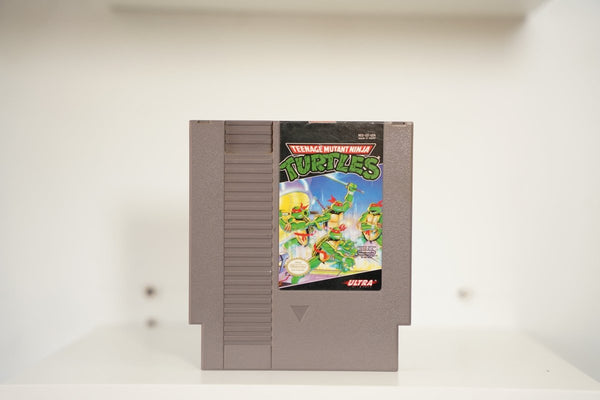
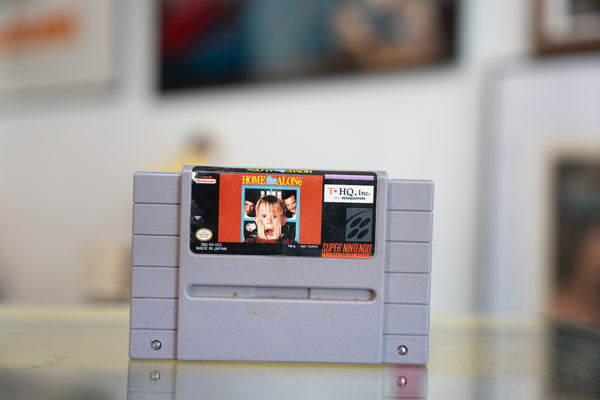
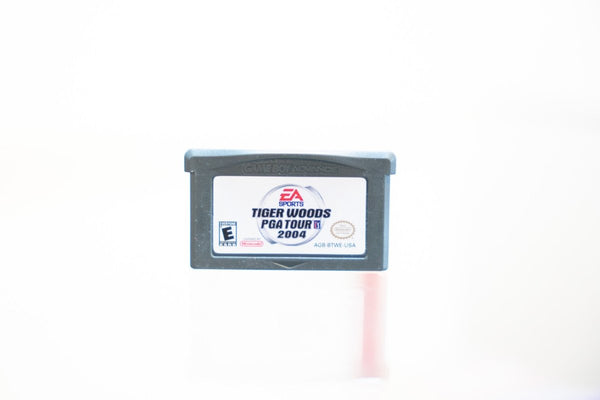
- Sealed and complete-in-box retro video games, Nintendo through sixth-generation consoles.
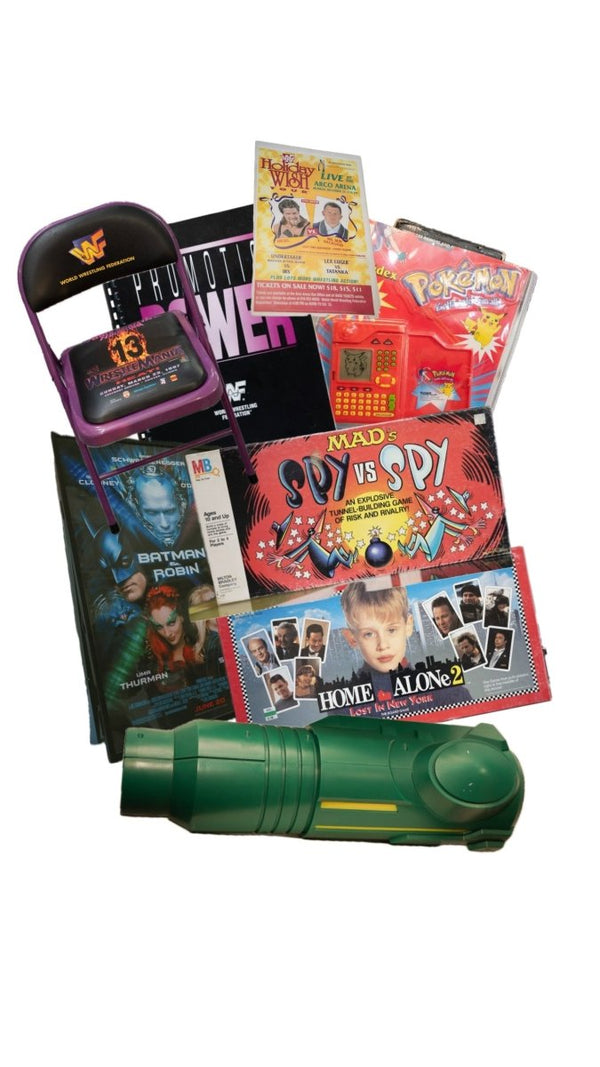
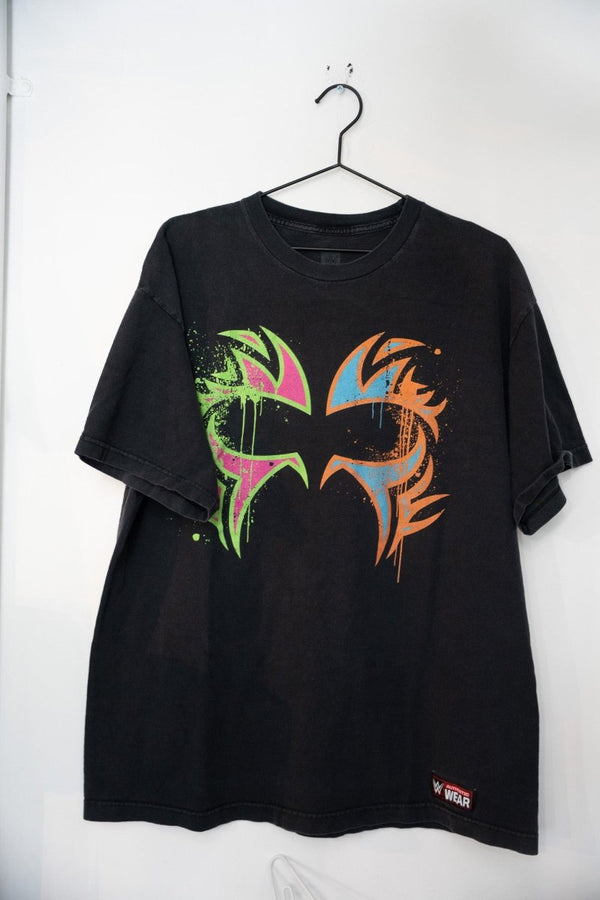
- Pro wrestling memorabilia from WWF Hulkamania, New Generation, and Attitude Era, plus WCW and ECW.
Categories rotate. A focus area today may be closed tomorrow if the shop is stocked. We will update this page as priorities change.
If you have a collection
If you are a collector, estate liquidator, vintage dealer, or shop owner with a significant vintage collection you are ready to move, you can reach our sourcing inbox at info@keepitclassiclv.com. Include a brief description of what is in the collection, approximate size, and a few reference photos if possible. We respond within a week to inquiries that match our current focus areas.
We evaluate each inquiry on its own terms. Every sourcing conversation is different, and we are selective about what we take in based on rarity, condition, provenance, and whether a collection fits our shop and our audience.
What we do not take in
To save everyone time, a short list of what falls outside our sourcing:
- Modern mass-market merchandise, including anything still in regular retail rotation.
- Reproductions, replicas, and retail-printed fan items sold as vintage.
- Items that cannot be authenticated or do not come with provenance strong enough for our standards.
- Categories outside the shop's focus, including furniture, housewares, and general antiques.
Our standards exist because our customers trust what we put on the floor. Every piece we list has to earn its place.
How the work splits inside the shop
The shop runs on three jobs. Not three people, three jobs. On a busy week one of us might do all three before lunch and another might do none of them. What matters is that every piece on the floor and every piece in the catalog has passed through all three before a customer ever sees it.
The Buy is the first job. Someone is on the road, in a stranger's garage, at an estate sale outside Henderson, in a self-storage auction in North Las Vegas, in a dead-mall liquidation in Reno, on a flight to a collection in Phoenix. The Buy is patient and slow. We pass on more than we bring home. The rule we hold is that a piece has to earn its spot in the shop. If we can't picture the person who will be looking for it, we don't buy it. That single discipline is the difference between a vintage shop and a thrift store with attitude.
The Floor is the second job. Every piece that comes in gets cleaned, photographed, written up, tagged, and placed. The floor is the room you walk into at 707 East Fremont. It is also the back room behind it, where pieces wait their turn to come out. The floor is rotated weekly because Container Park gets repeat foot traffic and a static wall is a dead wall. If a piece sits longer than its category benchmark, it moves position, gets re-photographed, or gets re-priced. We don't bury anything. Honest pricing on a vintage piece means the piece moves; a piece that doesn't move was priced for our ego, not the customer.
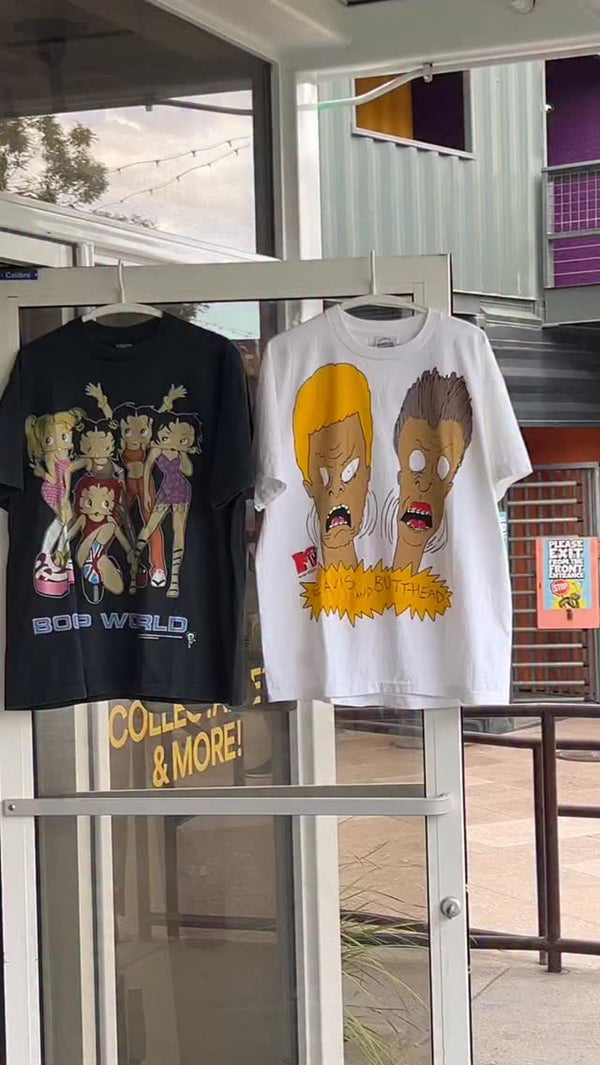
The Grade is the third job. Every piece is held up to a five-step condition scale (Mint, Near-Mint, Excellent, Good, Honest) before the listing goes live. The flaws get called out in the description and shown in a photo. There is no condition we will not sell as long as the listing is honest about what you are getting. A 1987 wrestling tee with a small hole at the collar is still a 1987 wrestling tee. We say so, we show it, we price it accordingly, and the customer decides. The Grade is the job we are most stubborn about because the entire trust contract on a vintage purchase rides on it.
These three jobs are the shop. The names of the people doing them on any given Tuesday are not the point. The point is that the work is the work, and we hold ourselves to it.
What being a shop means to us
There is a version of vintage retail that lives entirely online, a warehouse, a photo bay, a checkout flow, a shipping label, no room. We are deliberately not that. The room exists because vintage is a tactile category. You want to feel the weight of the cotton on a single-stitch tee from 1992. You want to hold the weight of a complete-in-box NES cart from 1986. You want to flip a satin jacket inside out and look at the lining. The catalog at keepitclassiclv.com is honest, and the photography is honest, but the room is the proof.
The room is also a public commitment. A storefront on the ground floor of Downtown Container Park is not a costume. It means rent, hours, staffing, foot traffic, sales tax, and a sign on Fremont Street that says we are here on a Tuesday afternoon when no one is shopping and we are still here. Online-only sellers can disappear in a weekend. We can't. That permanence is the thing we offer that no marketplace listing can match. When you buy from us, online or in person, you are buying from a place that will still be a place six months from now.
Ray and Lars opened Keep It Classic in 2023 and we plan to be here for a long time. That plan shows up in everything from the way we grade a piece to the way we answer an email to the way we set the floor on a Sunday morning before the doors open. The shop is the work, and the work is the shop.
Frequently asked
How does your sourcing work?
We source through four kinds of channels: estate sales, private collector networks, vintage markets and regional shows, and warehouse lots from wholesalers and dealer partners. Our sourcing inbox is open to collectors, estate liquidators, vintage dealers, and shop owners at info@keepitclassiclv.com.
I have a vintage collection. Can I contact you?
Yes, by email. Write to info@keepitclassiclv.com with a short description of the collection, approximate size, and a few reference photos if you have them. We review every inbound inquiry and respond within about a week to collections that match our current focus areas. Contacting us is not a commitment on either side; it starts a conversation.
Do you accept walk-in offers at the shop?
No. We do not run a buy counter, and our staff is not set up to evaluate walk-in offers on the floor. All sourcing happens through private channels and direct outreach by email.
What do you pay for collections?
Every sourcing conversation is different. We are selective about what we take in, and we evaluate each collection on its own terms based on rarity, condition, provenance, and whether the pieces fit our shop and our audience. If a collection is a fit for us, we will discuss specifics privately after an initial review.