

The KIC Condition Scale
Every piece at Keep It Classic gets a condition grade before it lists. We write the scale plain so a buyer in Tokyo and a buyer at the counter read the same thing.
We are not PSA, WATA, or Beckett. We do not slab or seal. We are a working retail floor that handles thousands of one-of-one pieces a year, and this is how we describe what is in hand.
The scale below is the one we use on the site, on the case, and on the phone. Every tier links to the Shopify condition value it maps to, so a buyer can read the grade on the PDP and the grade on this page and know they match.
How we grade
We grade in hand. Not from a wholesaler spreadsheet, not from a seller's photos. The piece is on our counter when we write the description.
Our method per category:
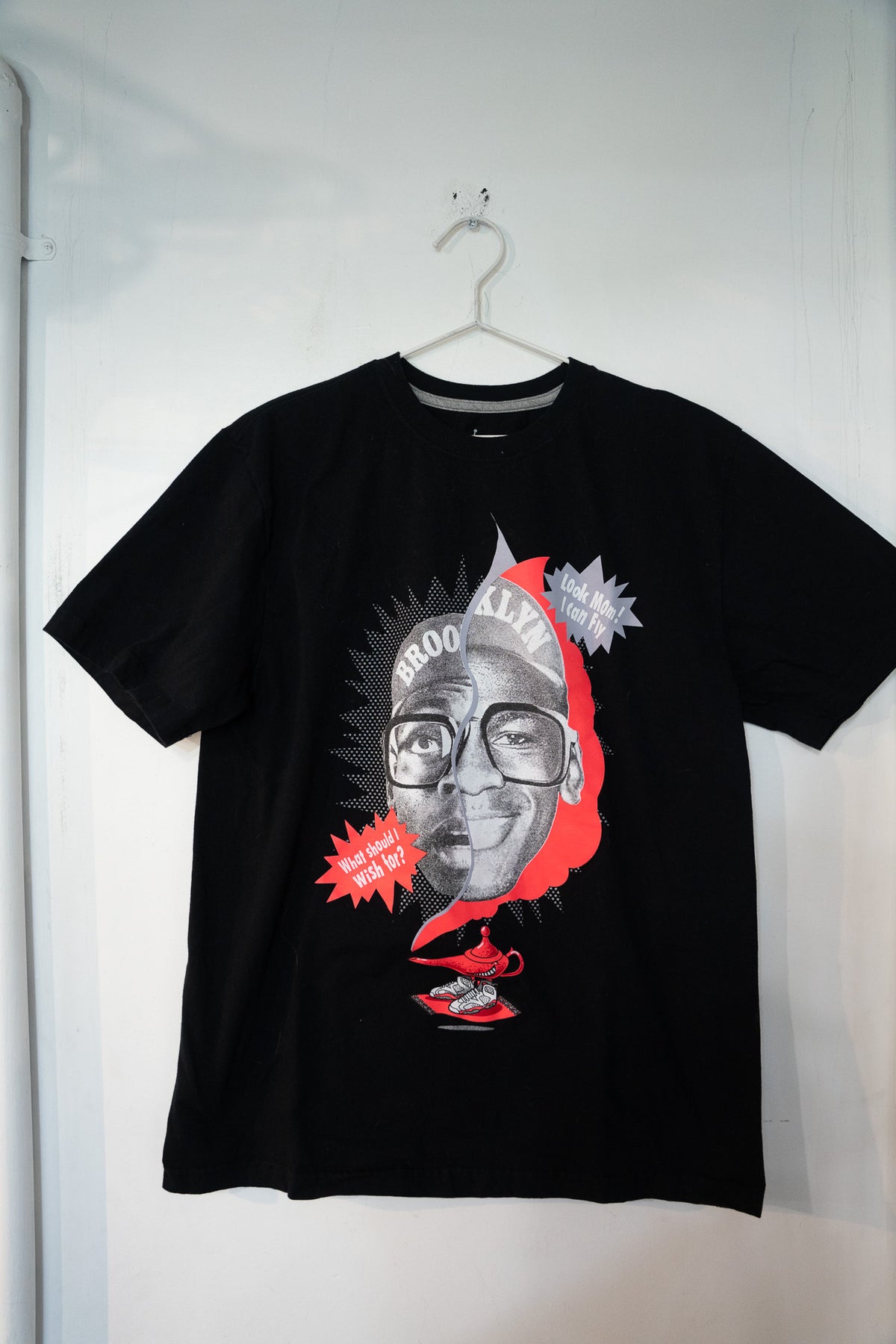
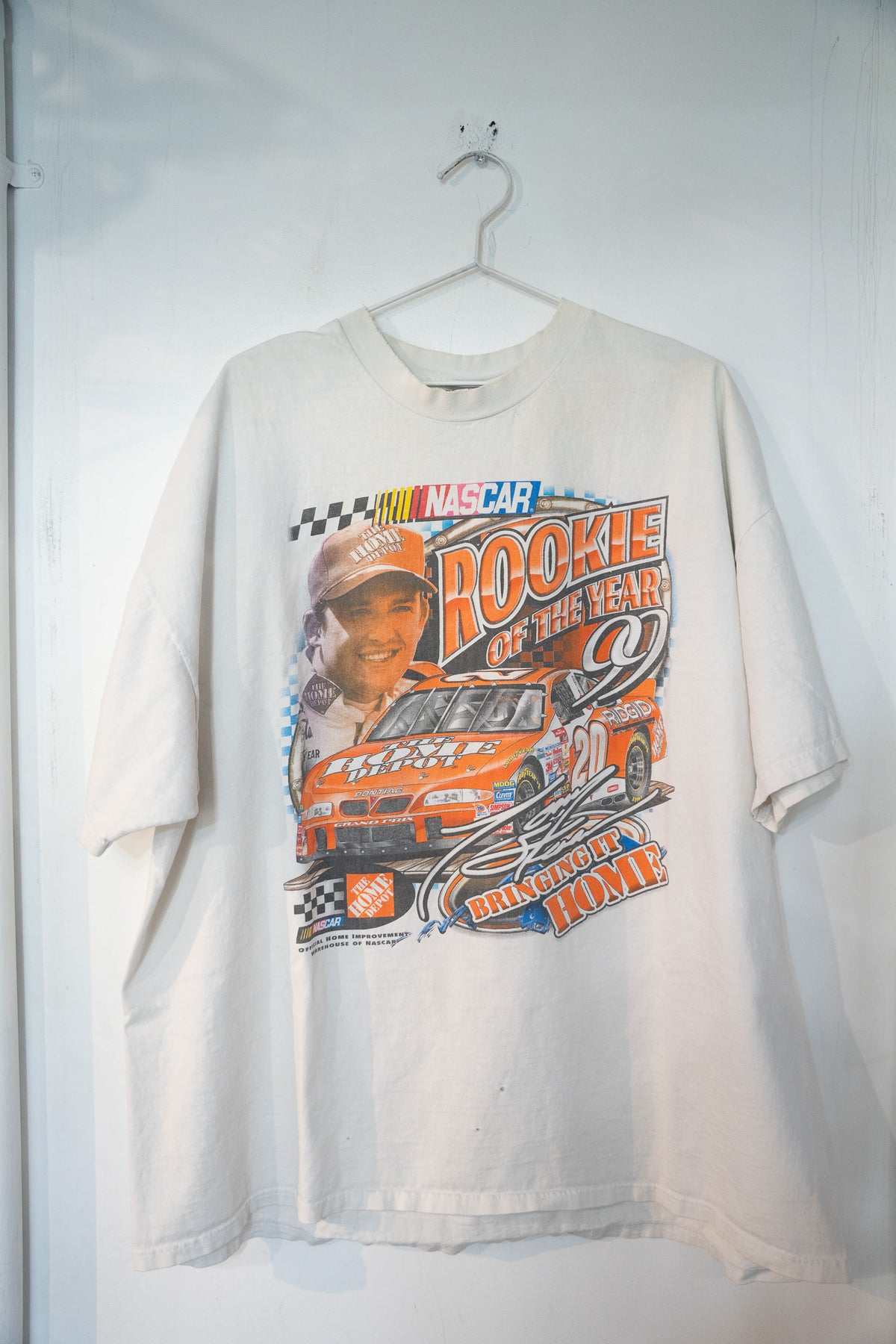
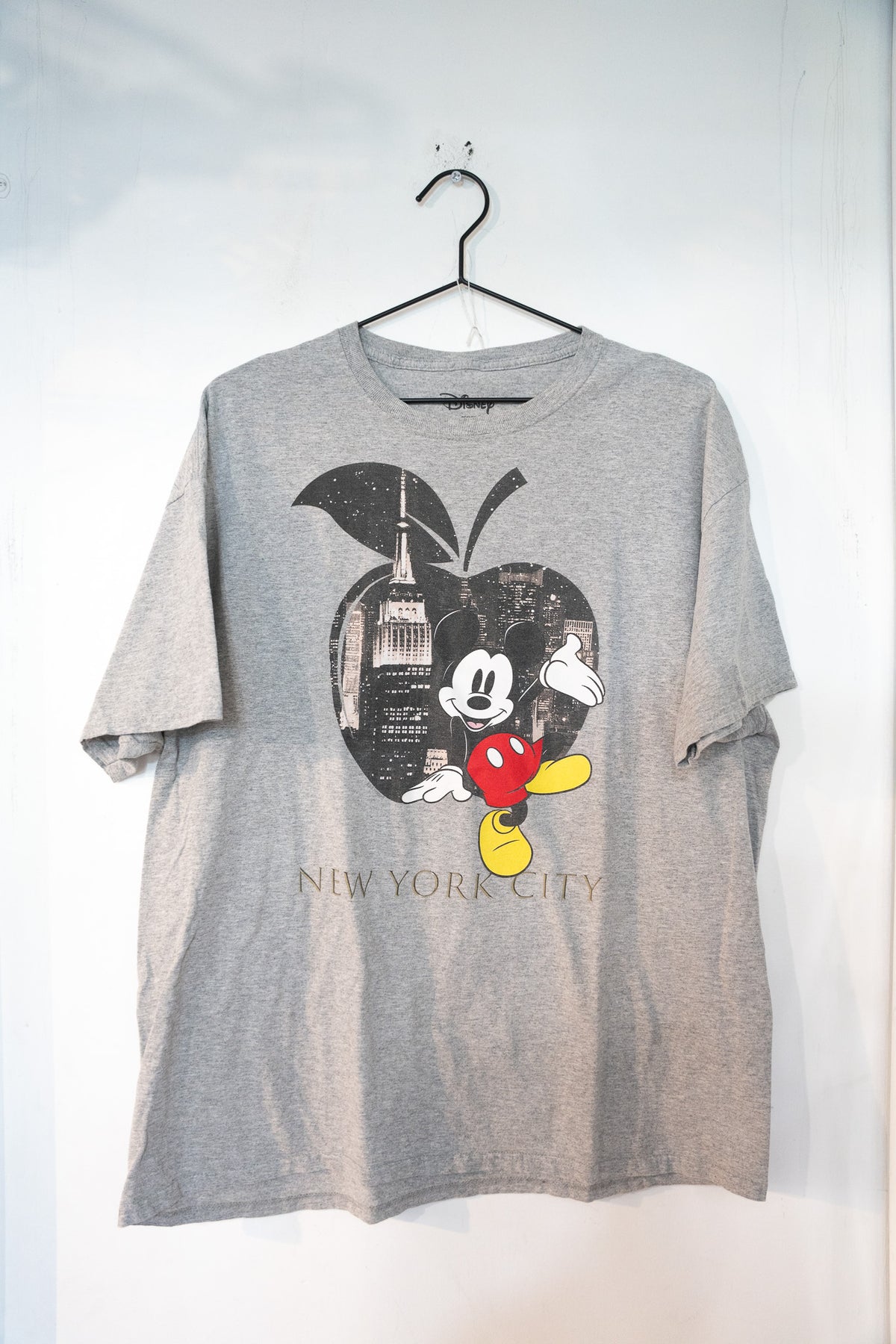
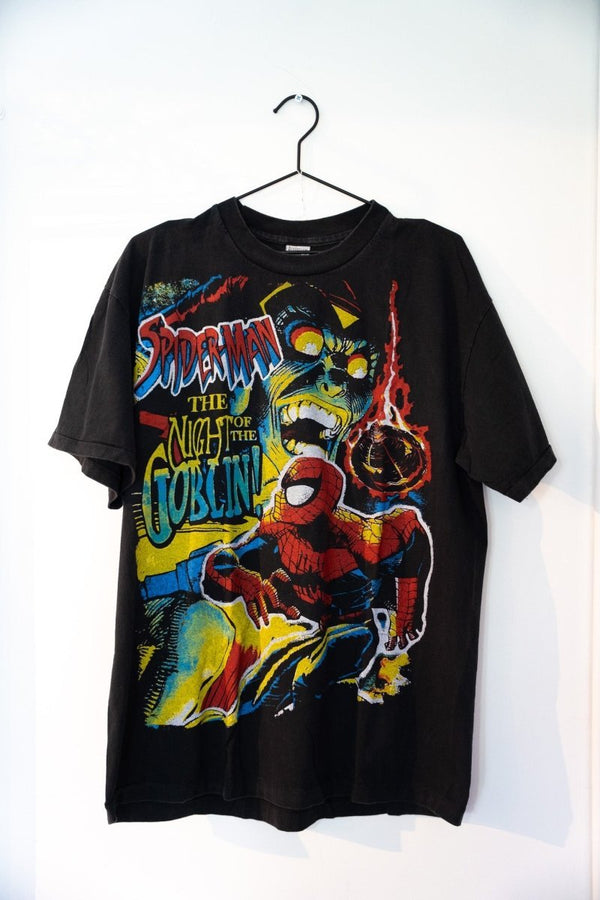
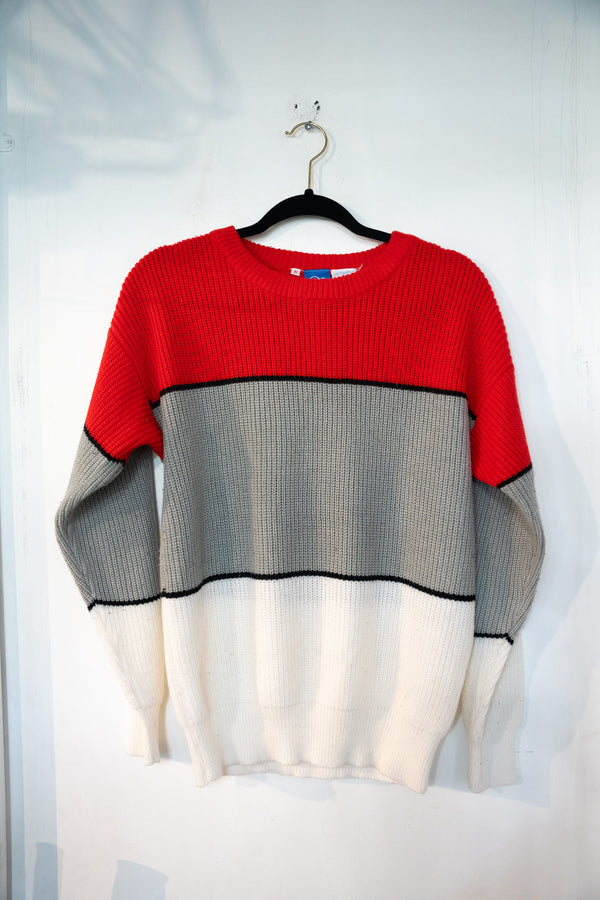
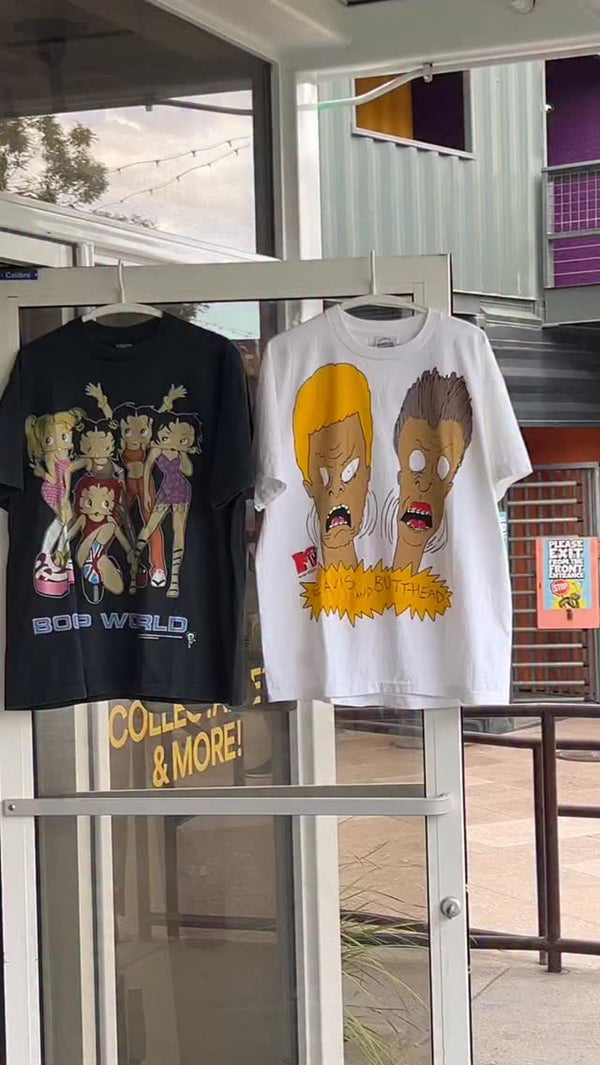
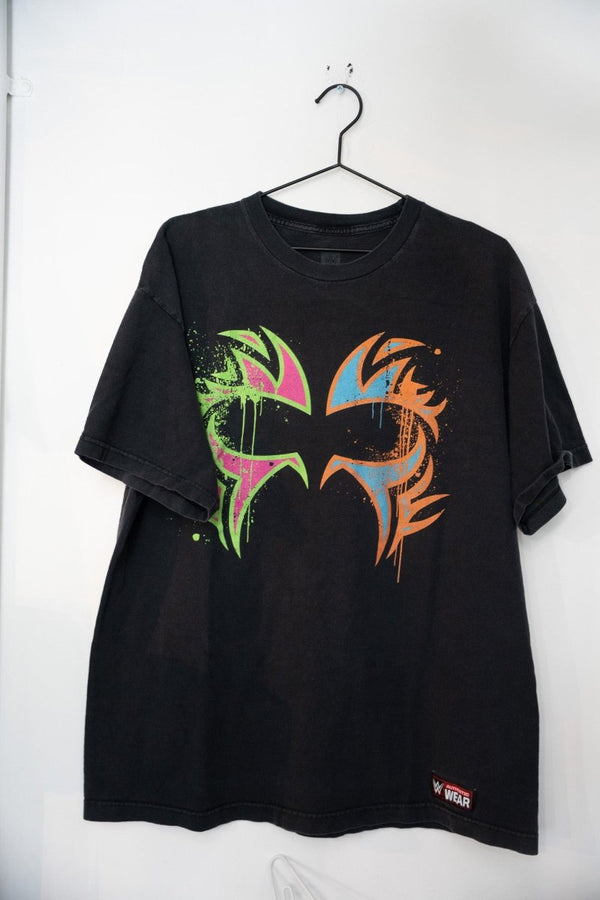
On apparel, we lay the piece flat, measure pit-to-pit and length, hold the graphic to raking light for cracking, smell for smoke and storage odor, check hems and cuffs for stitch loss, and pull tags to read manufacturer, country, and copyright.
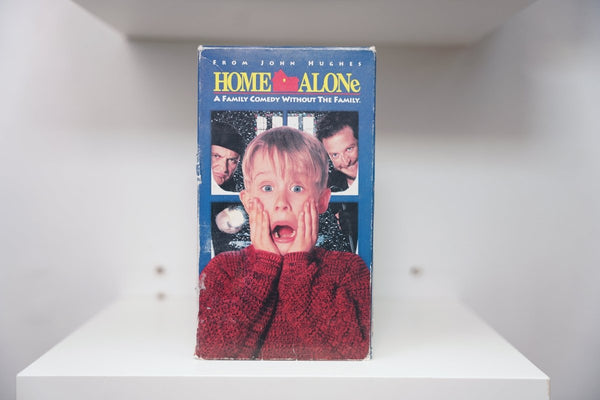
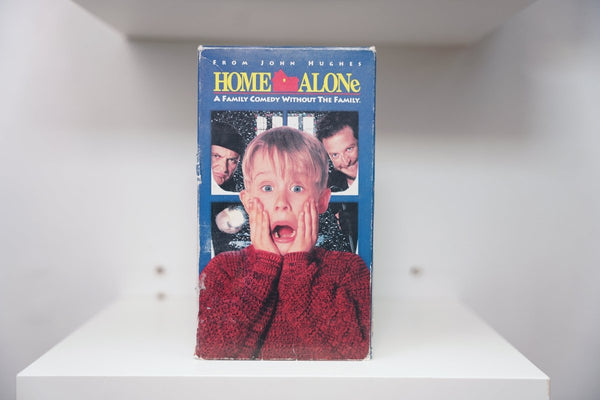
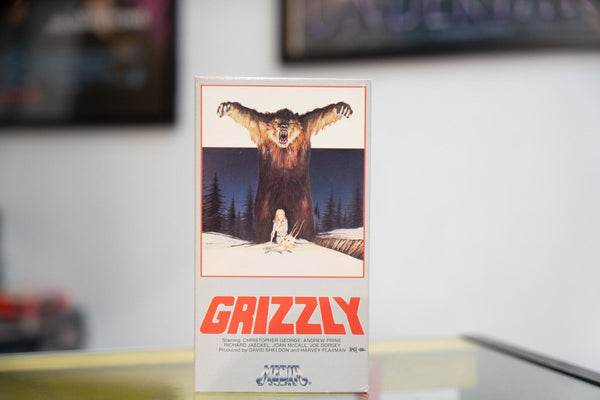
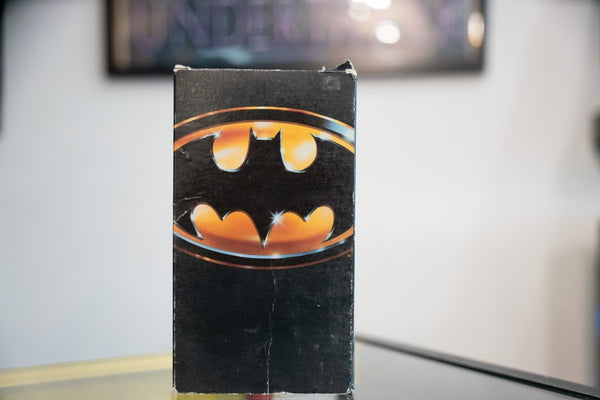
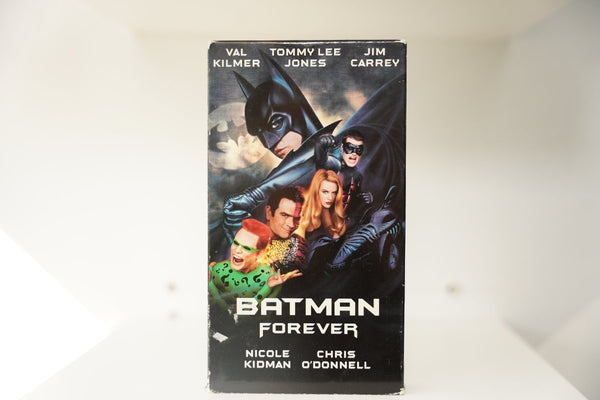
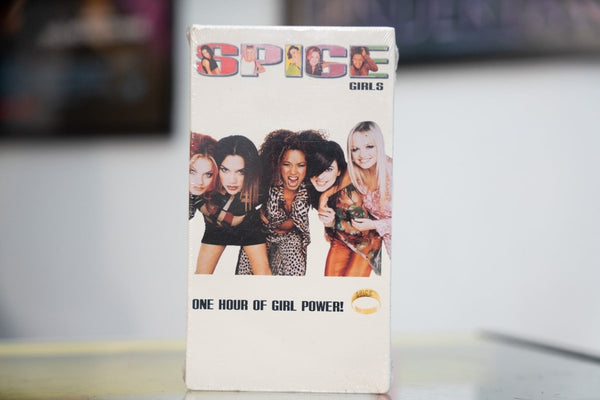
On VHS, we take the tape out, inspect the shell for warping and mold, look for the original insert, confirm the clamshell hinge clicks, and rewind a sample section to confirm the tape tracks. Rental stickers, store stamps, and case-variant markers get called out by name.
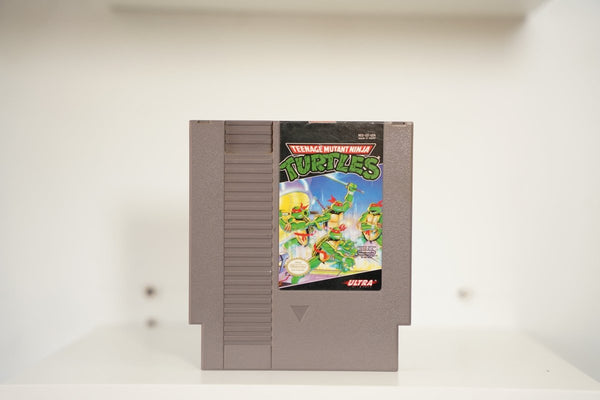
On video games, we plug-test every cartridge and disc on actual hardware before listing. We note battery-save function on cartridges that carried one, check the label for tearing, bubbling, and pen marks, and call out whether a title is cart-only, CIB (complete in box), or sealed.
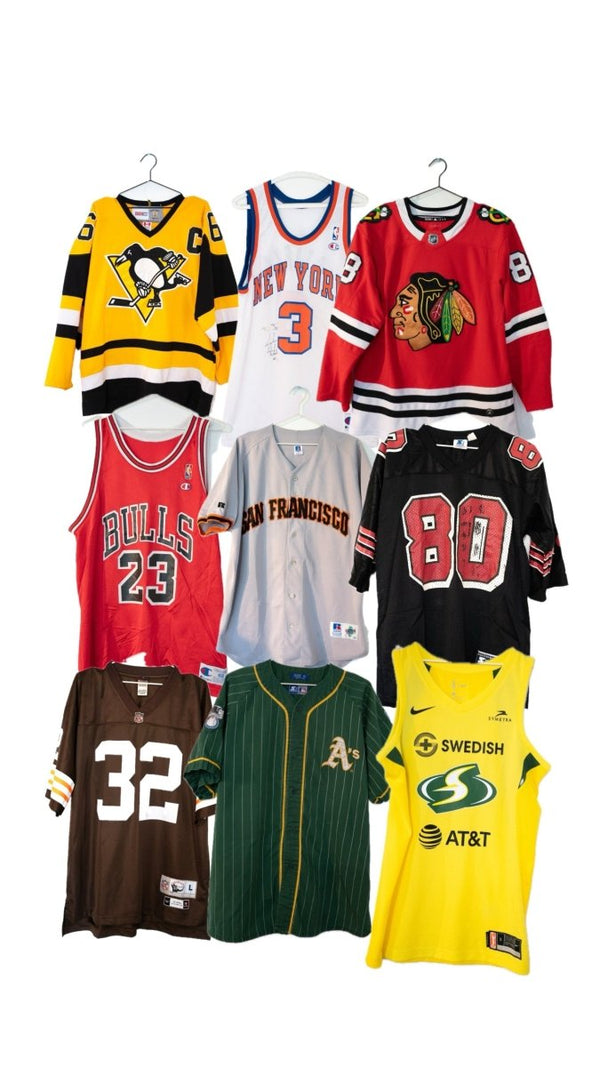
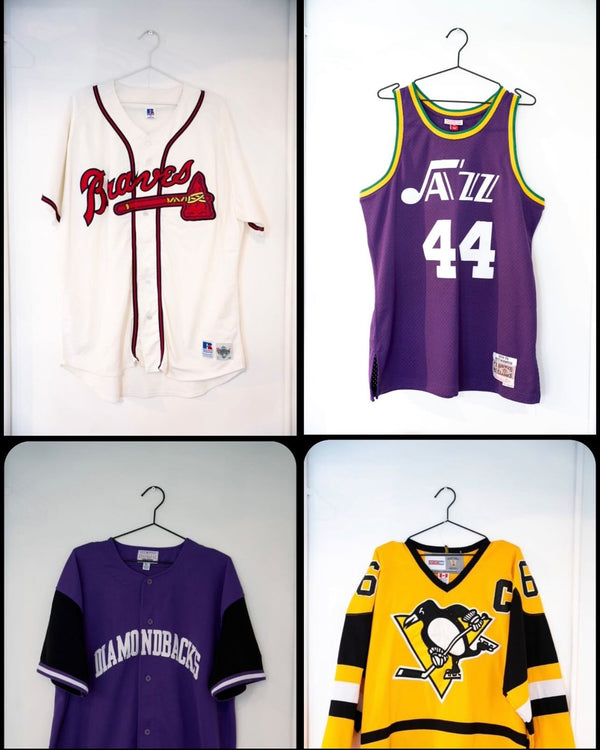
On jerseys, we read the neck tag, check letter and number stitching for peel, cracking, and amateur repairs, inspect the jock tag on pro cuts, and note any sewn nameplate versus factory heat-press.
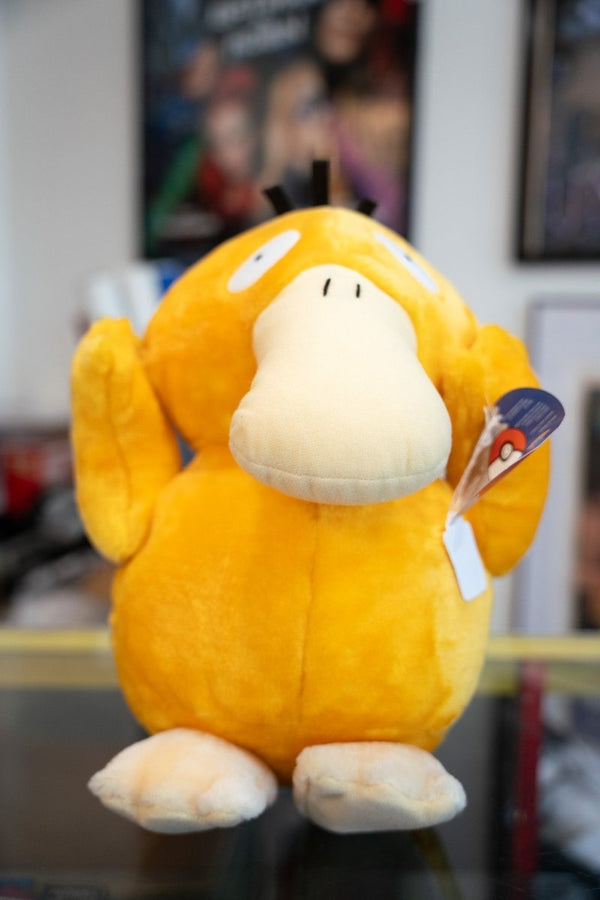
On toys, we inspect paint, articulation, original accessories, and box condition separately. Loose, complete, and sealed are three different grades.
We photograph the flaw. If a stain is on the left chest, the photo shows it. If a cartridge label has a tear, photo 3 is the tear. The grade tier tells you the class of condition. The photos tell you the specific story.
The tiers
Each KIC condition grade ties to a Shopify condition taxonomy value so the on-site filter, the PDP badge, and the Google product feed all read the same label.
Mint (M)

The piece looks like it left the factory or printer yesterday. On apparel, no fading, no pilling, no hem wear, tags often still present. On VHS, factory shrinkwrap intact or a demo copy that never left the cabinet. On games, the label is crisp and the cart or disc is spotless. On jerseys, stitching is sharp, tags are on, no peel. Display-ready, wear-ready, play-ready. Mint pieces are rare and priced accordingly.
Near Mint (NM) and Near Mint-Mint (NM-MT)

Light handling only. A single minor storage mark, a hairline edge wear, a tag bend. On VHS, a small sleeve crease. On games, a faint label corner lift. On apparel, a single trip through a washer without any structural effect. Worn or played, yes, but you would not be able to tell across the room.
Excellent (EX) and Excellent-Mint (EX-MT)

Used, cared for, with visible signs of age under inspection. On apparel, soft cotton hand, light and even fading consistent with a piece stored properly. On VHS, visible sleeve wear at the spine and one or two handling creases, tape plays clean. On games, label scuffs or a small sticker residue, cart tested and saves. On jerseys, crisp letters with light surface wear on the tackle twill. Still strong for display and wear.
Very Good-Excellent (VG-EX)

The honest-use tier. Light pilling, a small stain or pinhole that we call out on the PDP, an imperfect hem, a sleeve scuff, a visible but stable label tear. Tape plays, cart loads, hardware works. This is the tier where most well-loved 90s pieces land, and we think it is often the best value for a collector who wants to wear or play the piece rather than shelve it.
Very Good (VG)

Clear signs of use. Fading is uneven, there is a visible stain or a repair, pilling is present but not severe, the graphic shows cracking. VHS sleeve has rental stickers and more pronounced wear. Game label has multiple scuffs or writing. Jersey letters show early peel. Everything still functions, but condition is the story, not the surprise.
Good (G)

Heavily used. Stains that do not wash out, fading that is obvious across the piece, graphic cracking that is structural, hem loss that is visible. On VHS, tape tracks but the sleeve is rough. On games, the label is torn but present and the cart boots. On jerseys, repairs or amateur letter work. We price Good pieces for the buyer who wants the history on the piece, not despite it.
Fair (F)

Project tier. Holes, significant repairs, stains that will not come out, graphic loss, label loss, hardware that still works but shows every year. Wearable, playable, usable, but a buyer should read the photos carefully before purchase.
Poor (P)

As-is. For display, parts, or deep archival interest only. We list Poor pieces when the rarity of the title, print, or era justifies it despite the condition. The photos and description will spell out what is wrong.
Pristine (P) and Gem Mint (GM)

We rarely use these tiers. They are reserved for graded trading cards or sealed factory pieces where we are echoing a third-party certification number that came with the piece. We do not issue Pristine or Gem Mint grades ourselves.
Uncirculated, Graded, and Other

Uncirculated applies to coins and sealed currency-era pieces. Graded is for anything arriving with a third-party slab and a report number (PSA, BGS, CGC, WATA). Other covers legacy inventory grades we inherited during the catalog merger that have not been re-inspected yet. If you see Other on a PDP, ask us and we will pull the piece and re-grade in hand.
Category-specific notes
Apparel.
We flag smoke and storage odor in the body description, not in the tier. A piece can grade Very Good-Excellent on visible wear and still carry a note about a light cedar smell from storage. We wash and dry nothing before listing. We do not want to blur a buyer's expectation of what a 30-year-old tee actually smells like.
Pilling is measured on the highest-abrasion zones first (armpit, hem, front belly). We describe which zone, not just whether.
Repairs get called out by type. Machine restitch on a hem is different from amateur patch work, and both are different from factory replacement tags.
Moth holes get counted and located. One pinhole on the left sleeve is different from five pinholes scattered.
VHS.
We grade the tape and the sleeve separately in the body, though the overall tier is the lower of the two. A pristine tape in a torn sleeve lists as the sleeve grade.
Clamshell cases from Disney, Coliseum Home Video, and rental-era releases are graded on hinge function, surface wear, and print quality. A cracked hinge drops the tier.
Rental stickers and video-store stamps are part of the artifact. We do not remove them. We describe them.
Insert presence (the full-color booklet or rental card inside the case) is noted per listing. Missing insert drops the tier one step.
Video games.
Cart-only, CIB, and sealed are three distinct listings with three distinct price points. We never photograph a loose cart next to a borrowed manual and imply the title is complete.
Battery-save confirmation is a yes or no in the description. If the battery is dead, we say so and note that replacement is straightforward on most common cart types.
Region and release window markers (SNES oval seal versus later circle seal, N64 PAL versus NTSC shell color, PS1 black-label versus Greatest Hits) are read off the cart and stated in the body copy, not left to a buyer to figure out from photos.
Jerseys.
Neckline and cuff integrity on mesh and dazzle jerseys is a separate line on the description. Stretched, intact, or repaired are the three descriptors.
Tackle twill letter and number condition (surface wear, cracking, lift, peel) is called out. A jersey with factory letters intact grades one tier above a jersey with restored or re-sewn lettering, all else equal.
Tag presence on pro-cut and game-used pieces is the difference between a three-figure and a four-figure price. We photograph the jock tag on every pro-cut listing.
Toys.
Loose figures are graded on paint, articulation, and original accessory presence. A figure missing its original weapon drops one tier.
Carded and boxed toys are graded on card or box condition as a separate number. A Near Mint figure in a Good box is listed with both grades.
Card bubble clarity on carded toys is part of the grade. Yellowed or cracked bubbles drop the tier.
What we do not do
We do not issue third-party grades. If a PSA or WATA number is on the piece, we reference it. We do not invent one.
We do not round up. A piece that sits between Very Good and Very Good-Excellent goes into Very Good with an upside note, never the other way around.
We do not hide flaws for a better photo. The main PDP photo is the clean shot, but flaw photos follow in the gallery and are called out in the description.
We do not grade off of stock photos. If you see a stock shot on a KIC listing, it is the factory reference only, and the actual piece is photographed separately in the same gallery.
Questions
If a grade reads wrong to you after the piece arrives, tell us. We will make it right. The scale is a contract between the shop and the buyer, not a marketing document.
Visit us at 707 E Fremont Street, Suite 1170, Las Vegas, Nevada 89101, call (702) 605-3332, or email info@keepitclassiclv.com if you want a piece re-inspected before you buy.
What is deadstock?
Deadstock means an item that was manufactured, stocked, and never sold or worn. Tags are attached, the garment is unwashed, and the piece shows factory-fresh construction with no wear, pilling, fading, or creasing beyond what the folding process created. In the Keep It Classic condition scale, Deadstock is the top grade. A 1995 Starter pullover with original hang tag, plastic polybag, and no soil on the cuffs is deadstock. A washed-once 1995 Starter pullover with no visible wear is Near-Mint, not deadstock.