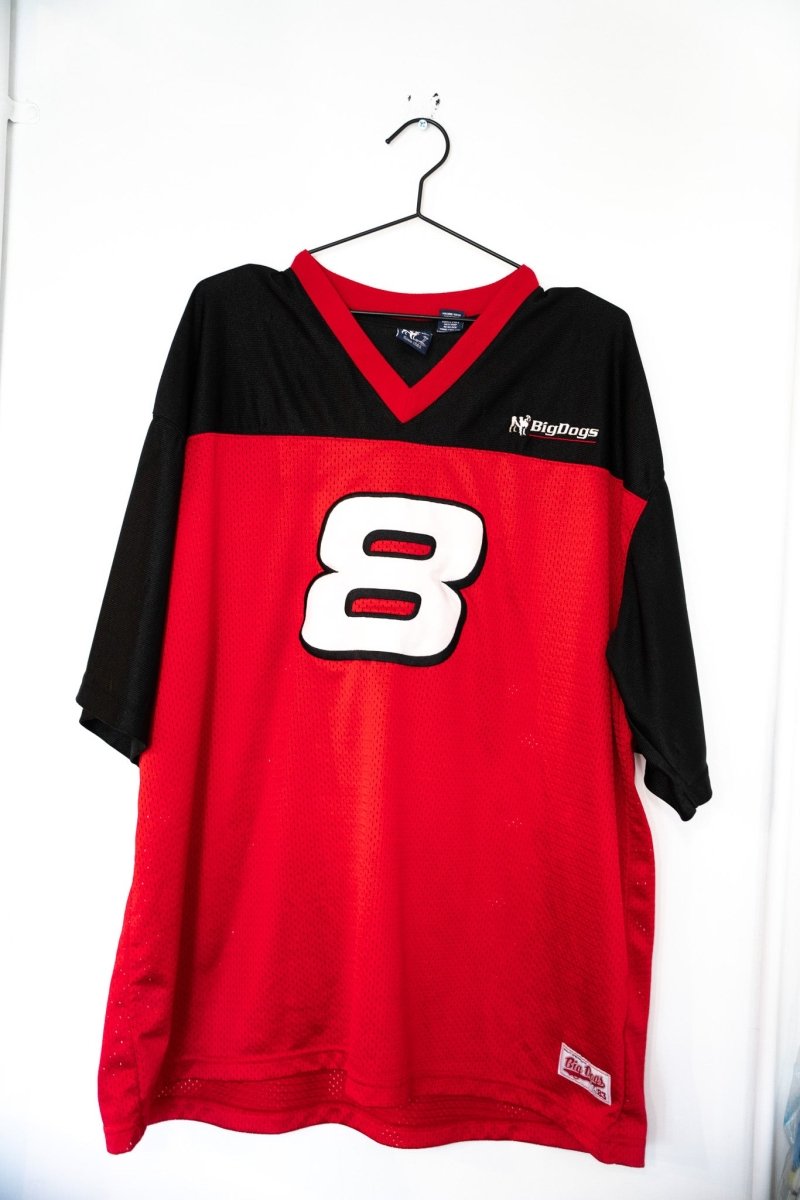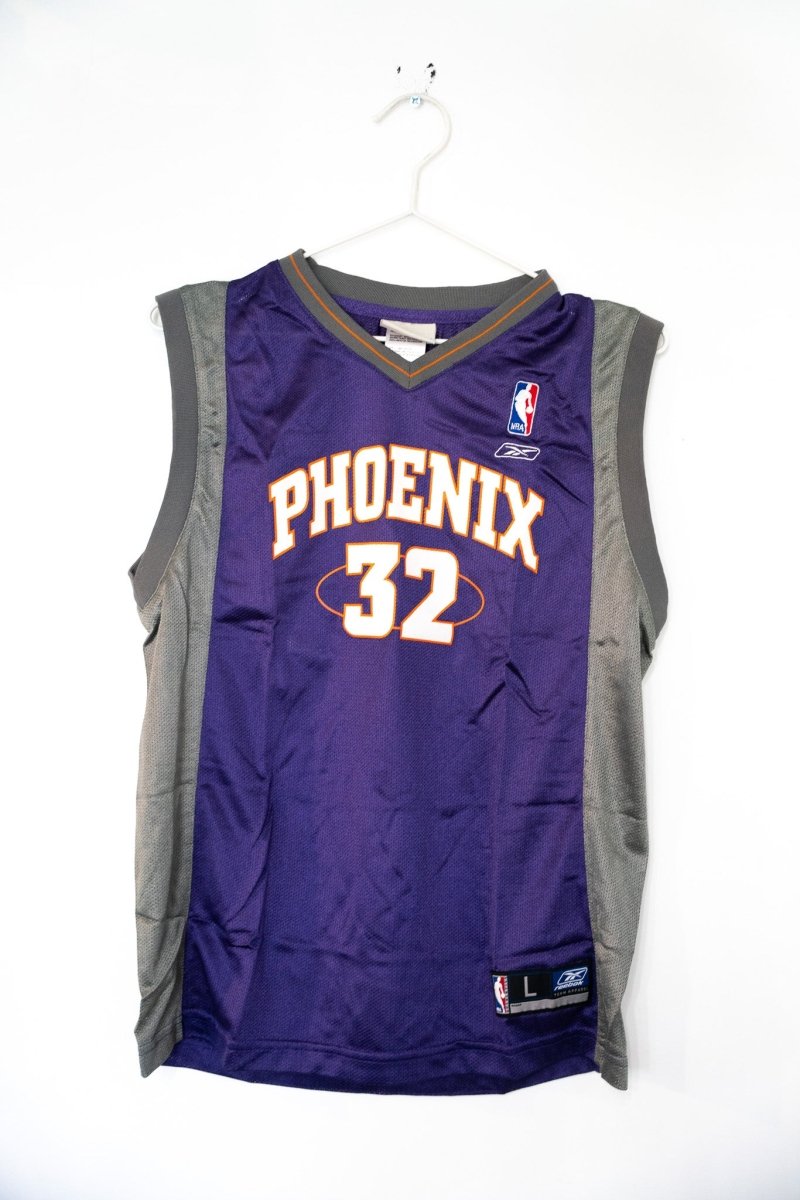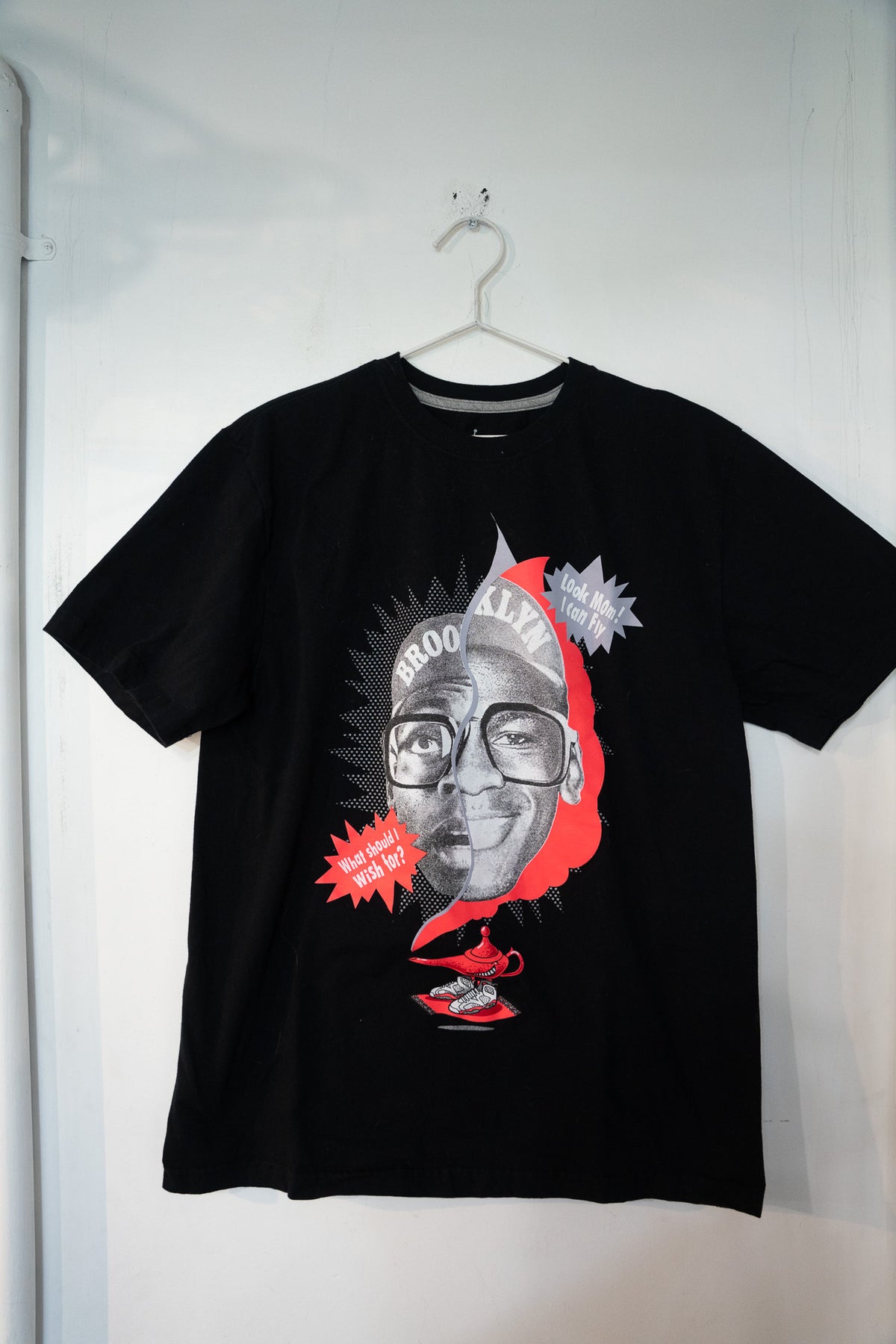
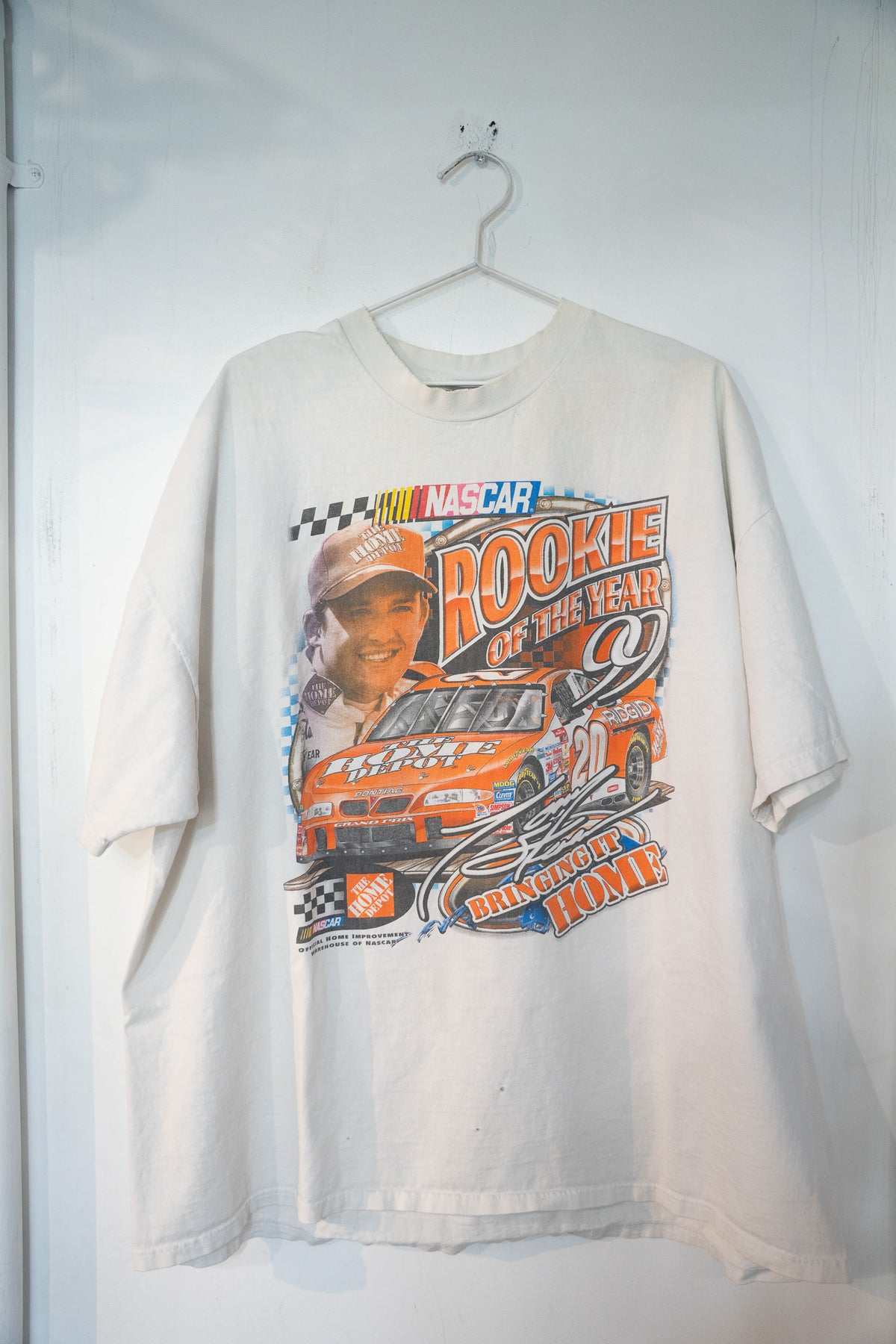
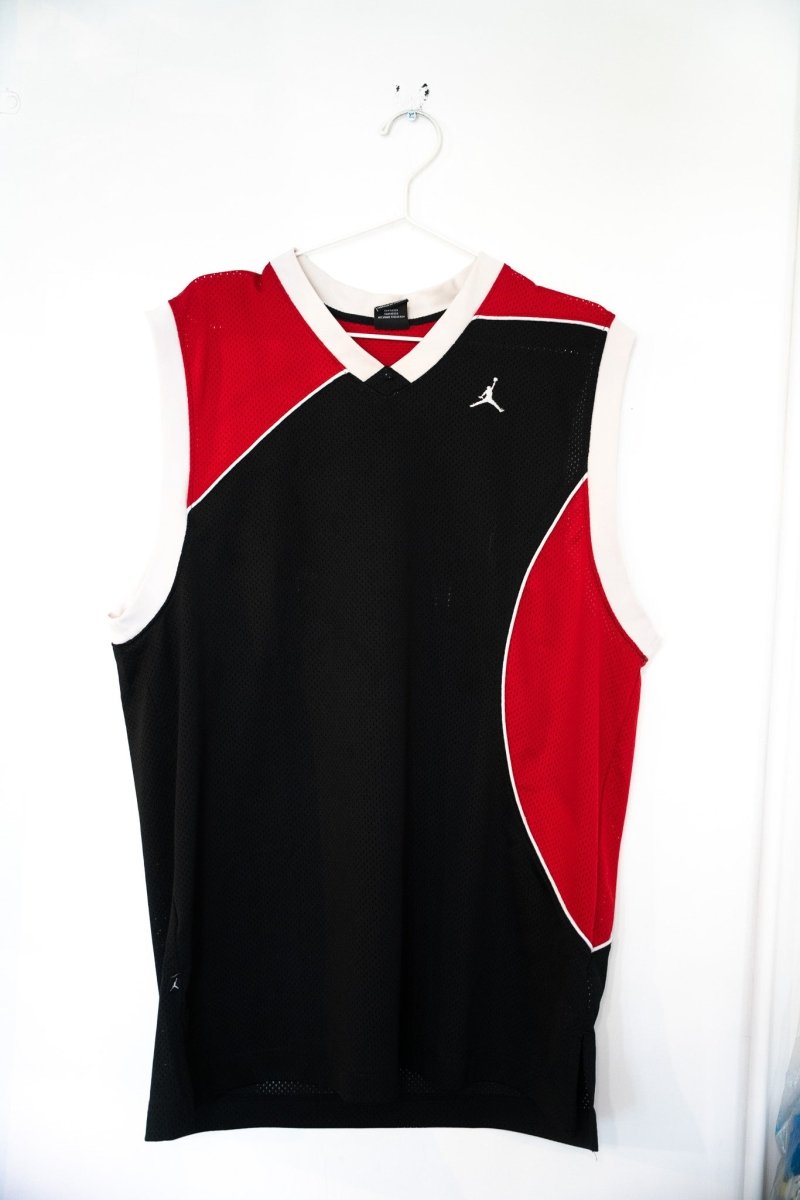
Hand-graded, photographed, described.

Jerseys

4 pieces on the floor.

4 pieces on the floor

Filter

4 pieces on the floor

All pieces

About this collection

Jerseys

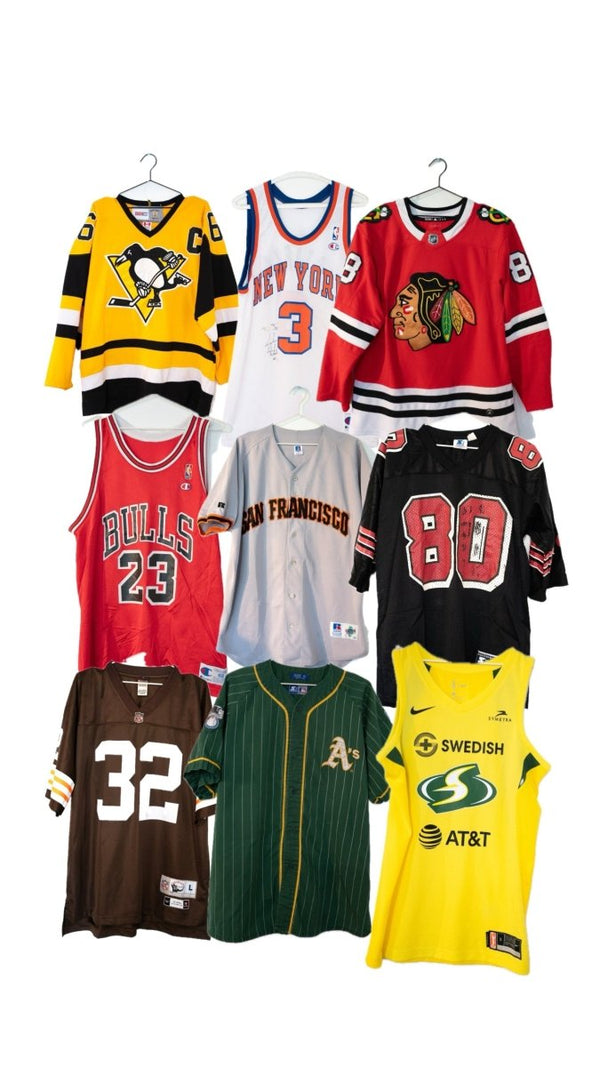
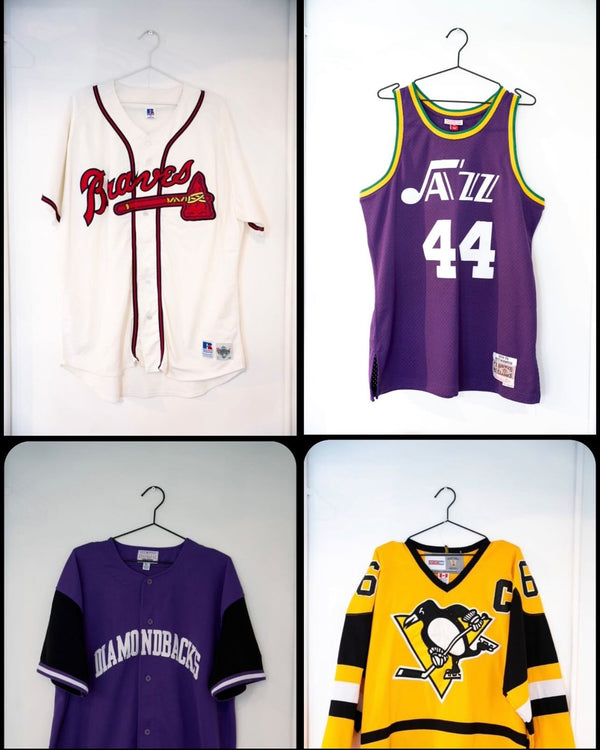
The shop currently stocks 334 vintage jerseys, spanning NBA, NFL, MLB, NHL, college, soccer, wrestling, and the oddball novelty crossovers. Champion-made NBA stitched pieces, Mitchell & Ness throwbacks, Starter NFL and MLB, Reebok NFL replica and authentic, Nike NFL On Field, CCM and Koho NHL vintage, the occasional Sand-Knit and Salem rarity, plus WWF/WWE crossover sets, Chalk Line wrestling, and college program jerseys from schools that may not even field that team anymore. Every piece is one of one. When it sells, it is gone.

How the jersey market actually works

Vintage jerseys are not a single category. They are at least four overlapping markets, each with its own collector logic, fake-pattern density, and condition curve.

Stitched authentic. Top of the food chain. Pro Cut, On Field, Team Issued, Authentic Collection. Tackle-twill numbers and letters sewn through the panel, double-needle stitch, embroidered crest, locker-tag size cut. These are the jerseys players actually wore or could have worn. Champion stitched NBA from the late 80s and early 90s, Starter NFL Pro Line, Reebok Authentic NFL with the equipment manager tag inside the hem, Mitchell & Ness Authentic Throwback with the gold sublimated tag and the year woven into the neck label.

Stitched replica. The middle tier and the bulk of what most people own. Tackle-twill applique, single-needle, lighter-weight body fabric, often a dropped-tail cut on NBA. Champion replica NBA, Starter and Logo Athletic NFL replica, Majestic and Russell MLB replica, CCM Center Ice NHL. These wear in beautifully and read as vintage on sight.

Screen-print. The 80s and early 90s before stitched replicas were affordable. Salem Sportswear, Nutmeg Mills, Trench, Logo 7. Heavyweight cotton-poly bodies, pebbled rubberized print, often crew-neck rather than V. These count as jerseys to the dedicated collector and read as t-shirts to everyone else, which is the point.

Novelty and crossover. WWF and WWE Chalk Line jerseys, Bel Biv DeVoe-era warmup tops, hip-hop video pieces, league promo and giveaway jerseys, jersey-style nightshirts, and the occasional Sand-Knit oddity. Lower price floor, higher cultural value, often the most fun to wear.

Spotting a fake before you buy

Fake jersey production has been industrial-scale since at least 2005. The patterns repeat. Look for these tells before any purchase, here or anywhere else.

  • Tag stack. Authentic jerseys carry three to five labels: brand size tag, country-of-origin, RN number, league hologram or hangtag for stitched authentics. Fakes often have a single printed tag, a generic "Made in" without a country, or a brand label that looks correct from ten feet but uses the wrong font weight up close.
  • Stitch density. Real tackle twill has visible double rows of zig-zag stitching around every letter, every number, every panel seam. Counterfeits cut the second row to save factory time. Hold the jersey up to light. If you see one stitch row where there should be two, walk.
  • Panel construction. Authentic NBA from the Champion and stitched-Adidas eras has color-blocked panels sewn together, not screen-printed onto a single body. Run a finger across the color change. Real jerseys have a seam.
  • Patch placement. Anniversary patches, championship patches, retirement patches. The placement is exact and league-published. A patch that drifts a half-inch off spec is a fake.
  • Crest weight. Embroidered crests have backing fabric. Cheap fakes use peel-and-stick patches. The difference is obvious from the inside of the jersey.

Condition the way collectors actually grade it

Every jersey on the floor here is hand-graded on the five-tier ladder: mint, near-mint, very-good, good, fair. Jersey-specific signals layered on top of the apparel default:

  • Logo and number integrity. Tackle twill should be flat to the body, not curling at the corners. Cracking or peeling at the edges of letters drops the grade.
  • Hem and cuff condition. Stretch on the hem rib, fraying at the v-neck, holes near the underarm panel. These are the high-wear zones on any jersey.
  • Yellowing or transfer. White panels yellow with age and storage. Some collectors prefer the patina; some want chemically white. The grade reports what we see, the photo confirms it.
  • Pulls and snags. Standard for pieces 25-plus years old. Counted toward grade on a per-pull basis above three.
  • Repairs and restoration. Disclosed always. Tag-sew repairs, re-stitched letters, replaced hangtags. If a jersey has been restored, the listing says so.

What is on the floor right now

NBA stitched and replica from the Mitchell & Ness throwback boom, NFL across Starter, Reebok, Mitchell & Ness, Nike On Field, the occasional Logo Athletic and Wilson. NHL vintage CCM and Koho heavy in Bruins, Rangers, and Original Six revival pieces. MLB Majestic and Russell with Yankees and Dodgers volume. WWF/WWE crossover including the Latino Heat Chalk Line set and 90s D-Generation X. College football with a deep mix of program-issued and team-shop replica. Soccer kit selectively stocked when a piece is too good to pass on.

Volume shifts week to week. The shelf at the shop is the truth. Browse jerseys by newest in for the freshest pickups, or filter to a specific league.

Sibling collections and category guidance

If you came in for a jersey and stayed for the rest of the apparel, jerseys pair naturally with the rest of the vintage athletic floor. NHL is its own collection for hockey-specific browsing. Cross-shop with vintage hoodies and the broader vintage sports floor. Specific FAQ on sizing, condition grading, and shipping for jerseys lives at the jerseys FAQ page.

Sourcing notes

Jerseys come in through estate buys, walk-in trades from former players and equipment managers, dedicated team-collection liquidations, and the occasional standout grail bought one-at-a-time at Vegas card and memorabilia conventions. We do not buy from anonymous online lots without provenance, and we do not stock reproductions or RBK retail-tier blanks pretending to be authentic. Every authenticity claim on a listing is what the piece is, not a marketing reach.

The shop is at 707 E Fremont Street, Suite 1170, Las Vegas NV 89101. Ground floor of Downtown Container Park, east side, walk in any open day and try a jersey on before it ships.

Authentication reference: For the construction-tier discipline that crosses every sport (manufacturer tags, tackle twill versus screen, player-issued versus retail, reproduction tells), see how to authenticate vintage jerseys. Hand-graded archive examples from our Las Vegas floor.

Wrestling jersey lane: For the wrestling-jersey-specific collector segment that lives one rung below team-sport jerseys (faction-issued NWO Wolfpac and DX cuts, the WCW NBA crossover line, Chalkline and Logo Athletic and Hyland licensee tells, and the convention-bootleg defense), see the wrestling jersey collector guide. Era-by-era buying notes from the floor.

Jerseys

Questions, answered

Questions about Jerseys

Vintage jerseys are a whole language. Brand tag, stitch method, mesh weave, patch, and cut all point to a specific era and tier. This FAQ is how we grade the wall at Keep It Classic and how we answer the questions Vegas locals and collectors ask us most.

From our jersey inventory

NBA, NHL, NFL, MLB pieces on the floor

Vintage jerseys in the shop, sourced from estate sales and collector buyouts. Original-licensee construction, period stitching, hand-graded against the in-house scale.

Browse the full vintage jersey collection for current inventory.

Which jersey brands do you carry, and what do they signal about era?
Our jersey wall moves across five main brands and a few smaller labels. Champion made the officially licensed NBA replicas from roughly 1990 through 1997. Mitchell & Ness runs the Hardwood Classics and Cooperstown Collection reproductions we carry alongside originals, usually late 90s forward. Starter owned the 90s NFL and MLB replica market on the value tier. Nutmeg Mills and Salem Sportswear handled the loud graphic jerseys and tees of the same era. CCM and Koho covered NHL game replicas through the 90s and early 00s. Nike took over NBA licensing in 2017 and NFL in 2012. The brand tag alone can narrow an era down to a five year window.
What is the difference between a replica, a swingman, and an authentic?
Three tiers, three price points. Replica is the entry level: screen printed numbers and letters, lighter mesh, standard fit. Swingman is the middle tier: stitched tackle twill numbers, screen printed name on most runs, slightly heavier mesh. Authentic is on court or on field spec: double layer stitched tackle twill numbers, stitched name, pro cut sleeves, heavier durene or double mesh body. Our listings call out the tier explicitly. If the letters and numbers rub under your thumb, it is a replica. If they have raised felt edges, it is swingman or authentic.
How do I spot a 90s Champion NBA replica versus a reproduction?
Flip the jersey inside out and look at the neck tag and the side seam. Original 90s Champion NBA tags read CHAMPION in block letters with NBA AUTHENTIC or a circle C license stamp, usually on a woven label with a size letter below. Side panel tagging was standard from about 1994 onward. The mesh weave on an original 90s Champion is open and lightweight. Modern reproductions use a tighter knit and a cleaner, crisper screen print. We photograph every tag on every Champion jersey we list. See our authenticity hub for the full walkthrough.
Why are some vintage jerseys blank on the back, and are those legit?
Two real reasons, both legit. First, some replicas were sold blank at retail and the original owner never added a player. Second, team shop jerseys for non superstar roster players were sometimes made as blanks so fans could customize locally. A legit blank back has clean, untouched mesh with no outline, shadow, glue residue, or stitch holes from a removed number. We inspect every blank for ghost marks and flag in the listing if there is any trace of prior lettering.
What counts as acceptable wear on a stitched jersey?
Vintage jerseys earned their creases. Our condition scale runs from Deadstock to Heavily Loved. Light pilling on mesh, a faint smoke of fade on colors, and soft neck ribbing are normal on anything Good or better and are priced accordingly. What we will not ship without calling out in the listing: holes larger than a pencil eraser, loose stitching on numbers or nameplate, cracked or peeling screen print, set in stains, or pit discoloration. Every jersey gets photographed in daylight on a flat surface with any flaw shown close up. Full scale at /pages/condition-scale.
My size is usually a Large. What should I buy in a vintage jersey?
Vintage jerseys run big, especially 90s NBA Champion and 90s NFL Starter cuts. A 90s Champion size 44 often fits like a modern Medium to Large through the chest with a longer body and a generous armhole. NFL Starter XL from the mid 90s wears closer to a modern Large. Every listing shows pit to pit and total length in inches. Those measurements are the source of truth, not the size tag. If a listing is missing measurements, email info@keepitclassiclv.com and we will pull them the same day.
Stitched letters or screen print: which is better?
Neither is universally better. Stitched tackle twill is the authentic spec for most on court and on field jerseys from the 80s forward. It holds up through decades of wash and wear and has resale value collectors recognize. Screen print is the correct spec for replica tier jerseys and for some older styles (late 70s, early 80s). A screen printed 1982 Kansas City Royals replica is era correct; a screen printed 2002 authentic is a fake. Our listings state which method is present and whether it matches the tier claimed.
What is Hardwood Classics, and is a Mitchell & Ness reproduction still vintage?
Hardwood Classics is the NBA license for throwback and retro reissues, held primarily by Mitchell & Ness since 1998 and now also by Nike. A Mitchell & Ness 1996 Bulls jersey made in 2004 is a 20 year old licensed throwback, not a 1996 original. We list both. The listing title and description always distinguish between Original Era (made in the year of the player run) and Throwback or Reissue (a later licensed reproduction). Both have collector value; the premium on originals is real.
How do I date an NHL jersey if there is no year printed?
NHL dating leans on three cues. First, the maker: CCM Maska through the 80s and 90s, CCM alone and Koho into the late 90s and early 00s, Reebok from 2005 to 2017, Adidas 2017 to 2024, Fanatics 2024 forward. Second, the crest and shoulder patches: anniversary, Stanley Cup, Winter Classic, and expansion patches all anchor a season. Third, the cut: the Reebok Edge template launched January 2007 and is visually distinct from prior CCM cuts. Every NHL listing calls out the likely season window with the evidence we used.
Can you help me find a specific team, player, or year?
Yes. Our wall holds roughly 150 to 250 jerseys at any given time across NBA, NFL, NHL, MLB, college, and soccer, and not every piece is listed online at once. If you are hunting a specific Jordan year, a Brett Favre Packers throwback, a Wayne Gretzky Oilers, or a Bo Jackson Royals, email info@keepitclassiclv.com or call (702) 605-3332 with the team, player, and year. We will check the floor, the back room, and our network of trusted vintage dealers and send photos the same week.
What is your return policy on jerseys, and how should I handle sizing?
Online orders can be returned within 14 days of delivery for refund to original payment, buyer covers return shipping. In store purchases are exchange or store credit only. Because jerseys run big, we strongly recommend sizing by pit to pit and body length measurements in the listing before you buy. If our measurements are off from what you receive, that is on us: email a photo with a tape measure and we will cover return shipping both ways. Full policy at /policies/refund-policy.
Where can I see vintage jerseys in person in Las Vegas?
Our jersey wall lives at 707 E Fremont Street, Suite 1170, inside Downtown Container Park on the ground floor east side. We hang roughly 150 to 250 jerseys at any given time across NBA, NFL, NHL, MLB, college, and soccer, with 90s Champion, Starter, Mitchell and Ness, Nutmeg, Salem, CCM, and Koho pieces rotating weekly. Every jersey is a one of one: once it sells, it is gone. If you are hunting a specific team, player, or year, call (702) 605-3332 or email info@keepitclassiclv.com before you drive down and we will pull candidates to the front.

Every piece in this collection earned its spot through hands-on sourcing, condition grading, and a lot of late nights. We pull from estate sales, dead-stock attics, and the occasional miracle. If it is here, we trust it.

One of one.Ships from Las Vegas.One of one.Ships from Las Vegas.One of one.Ships from Las Vegas.