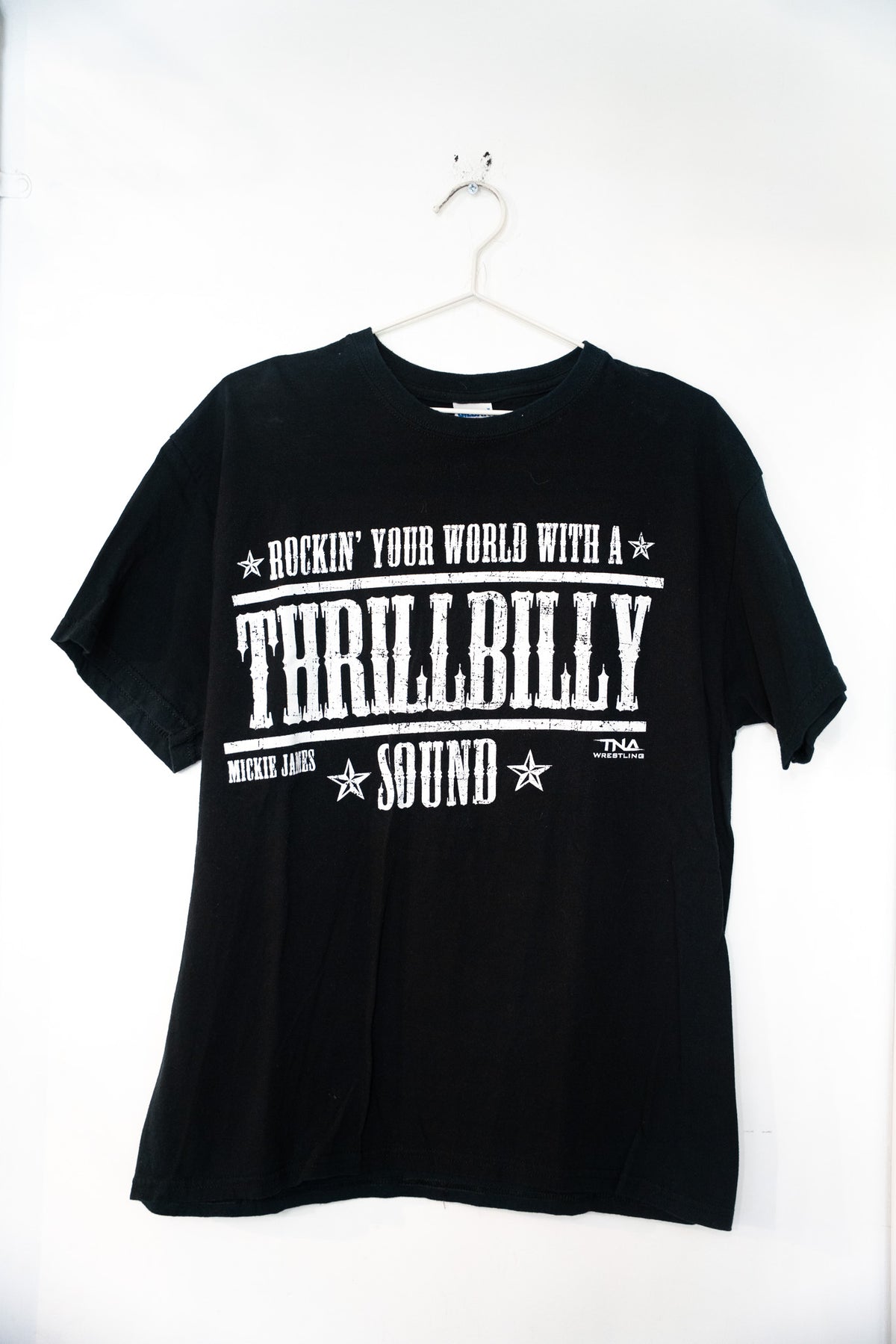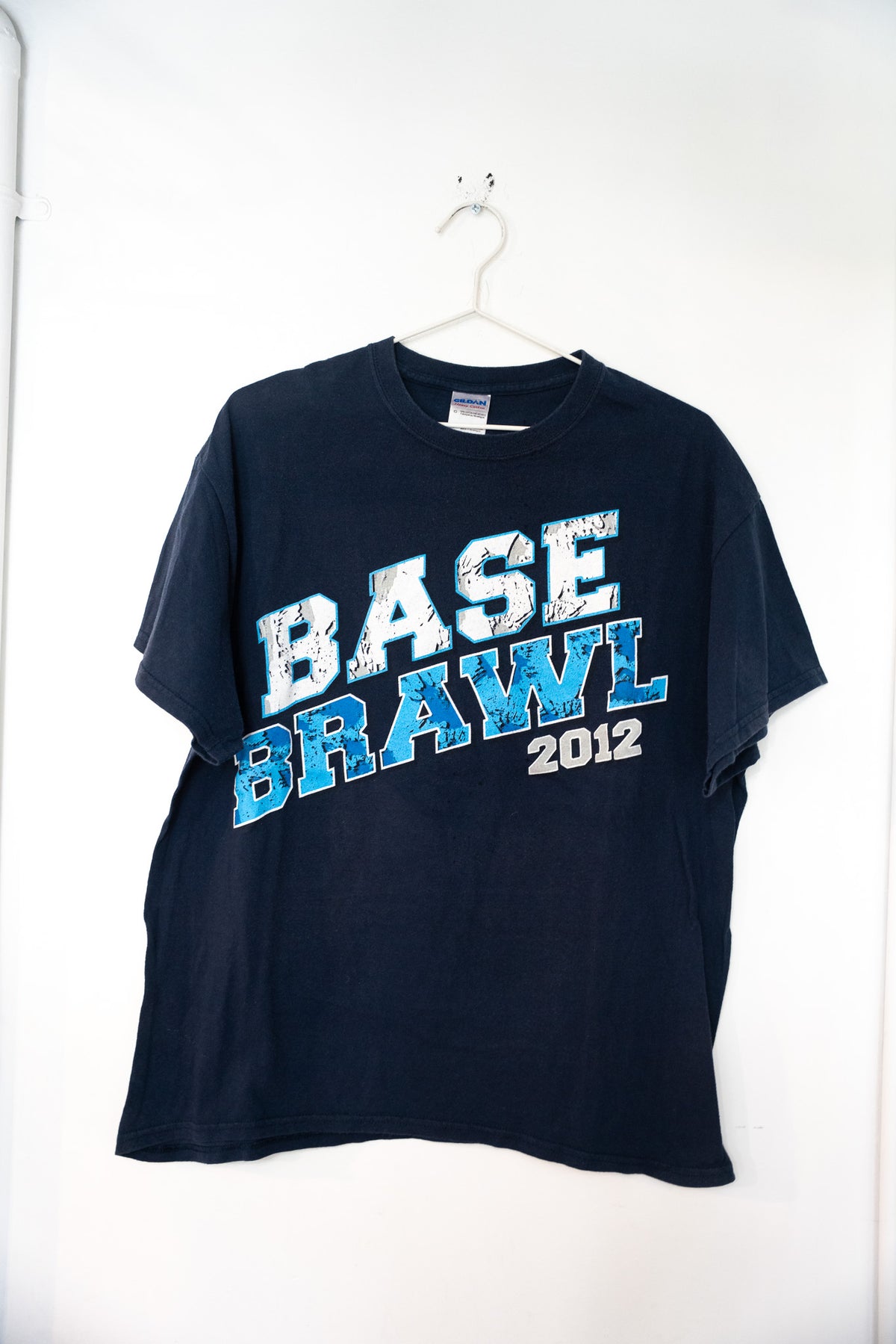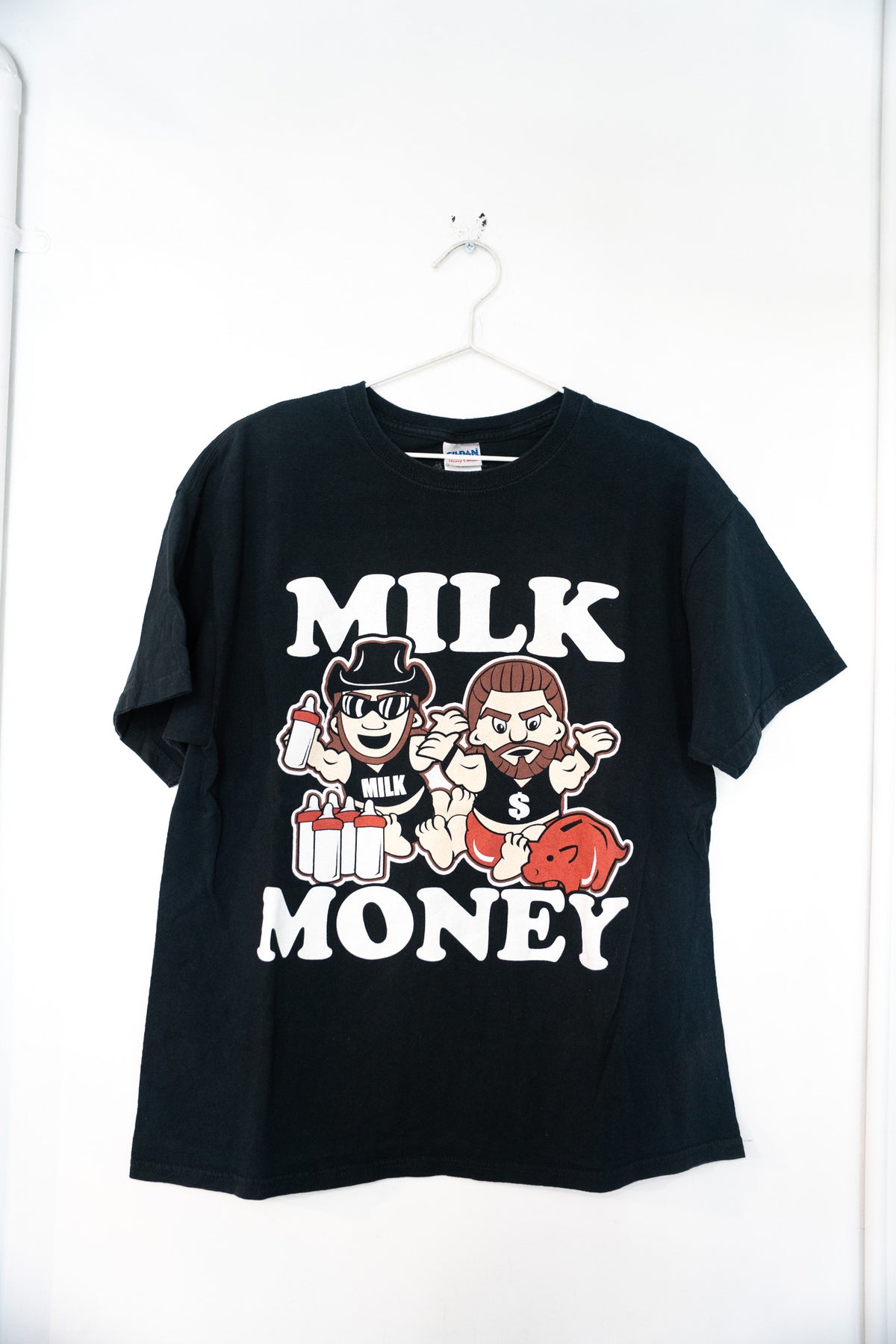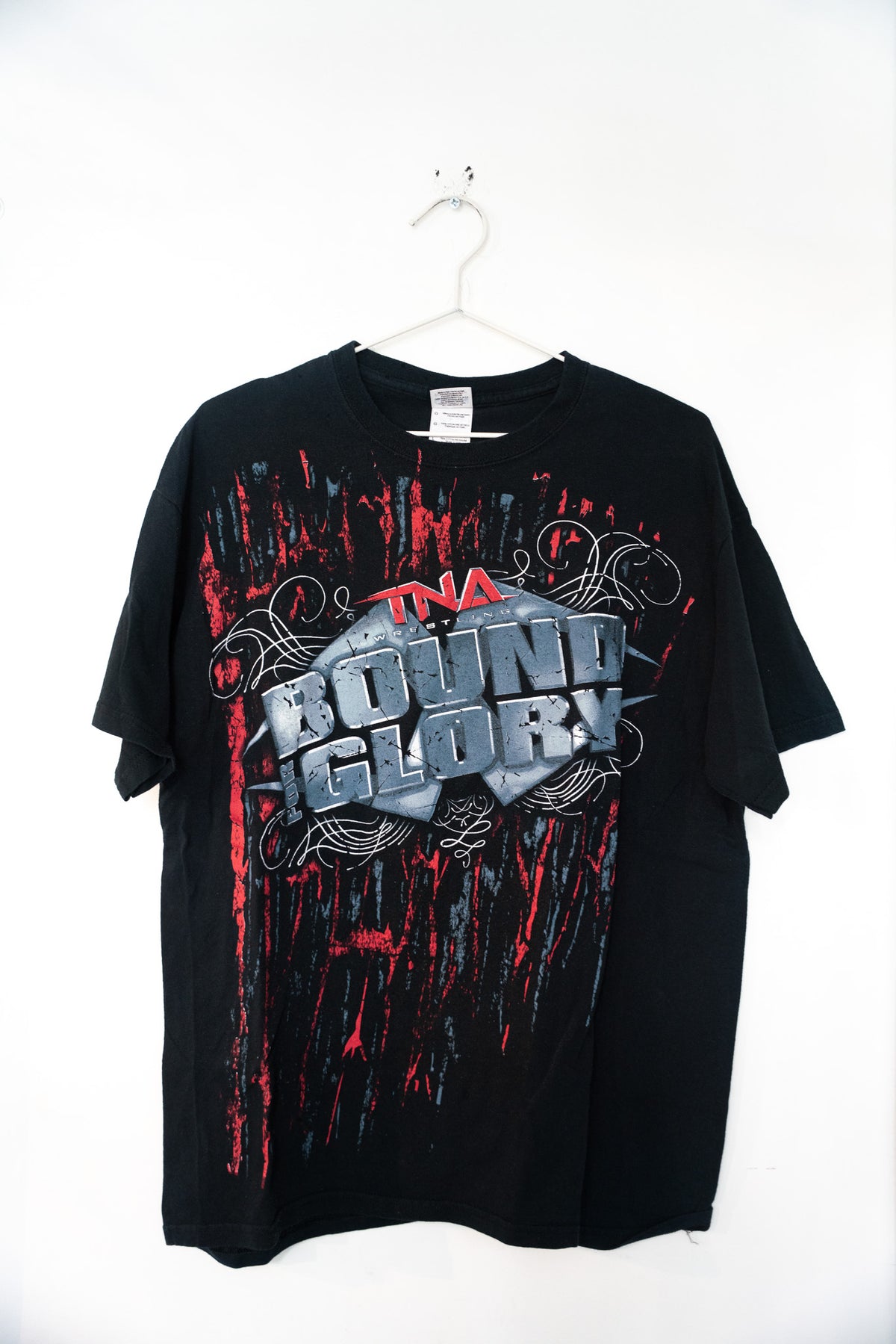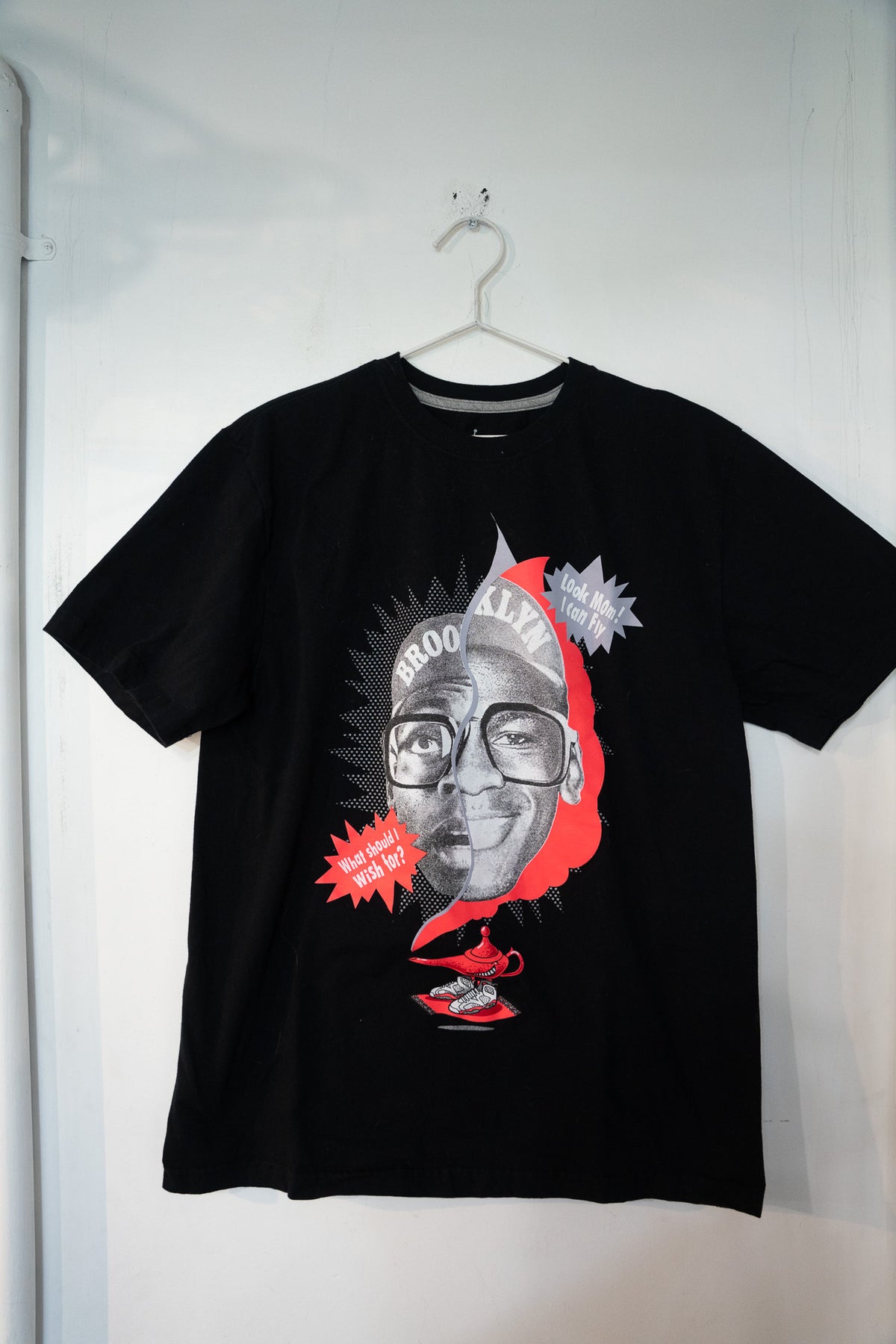
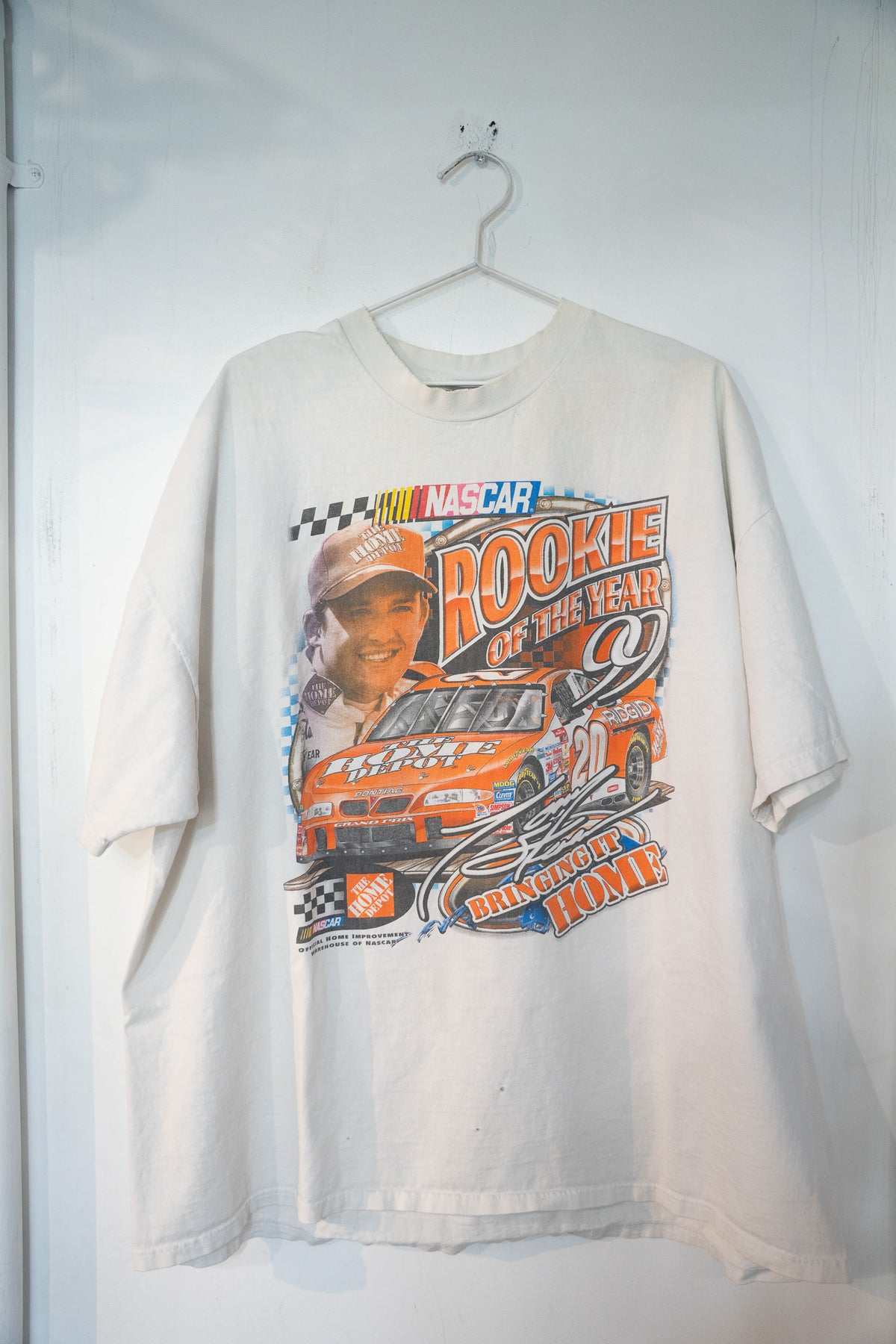
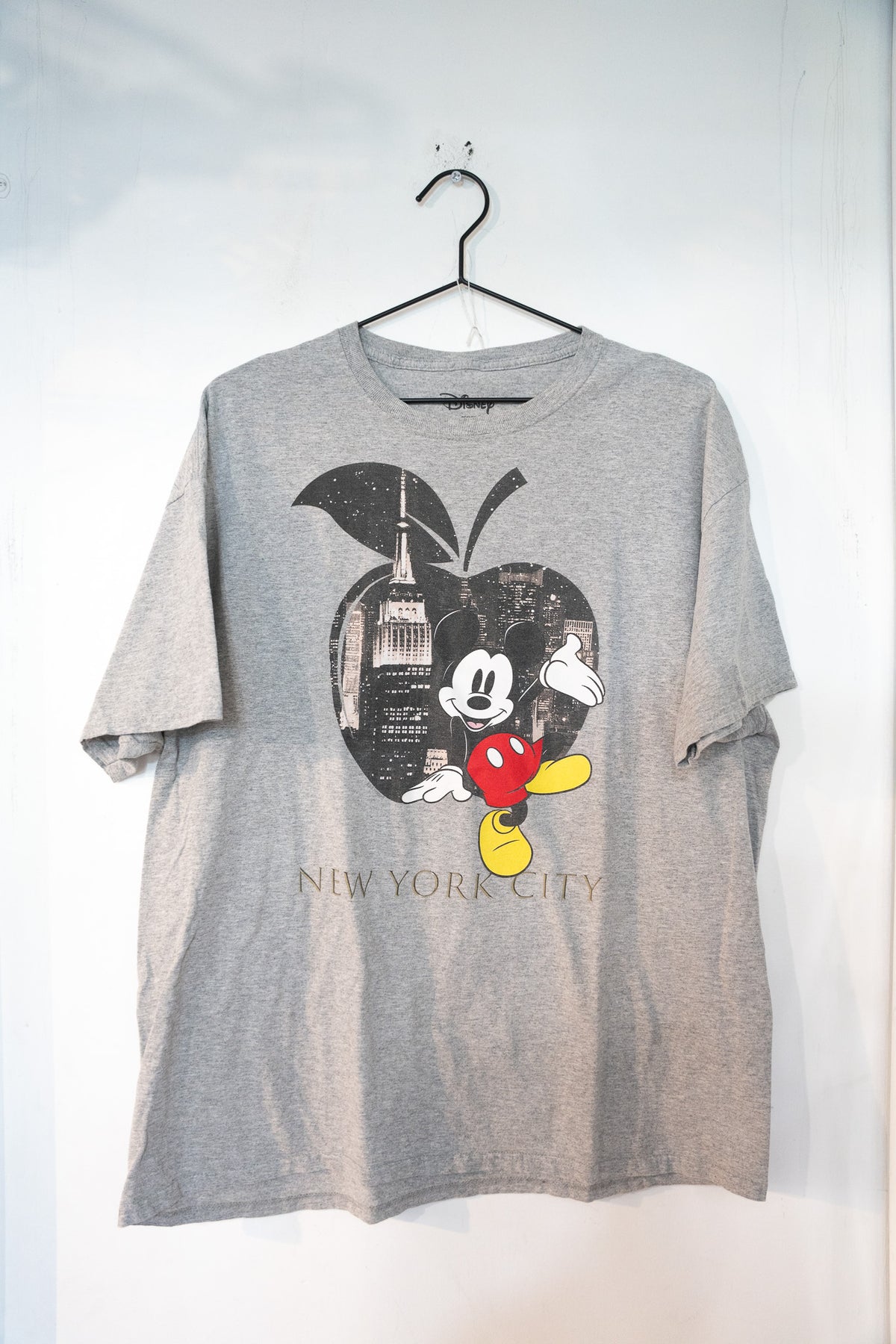
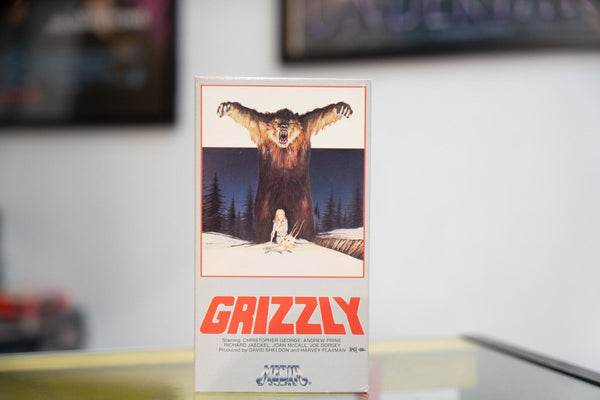
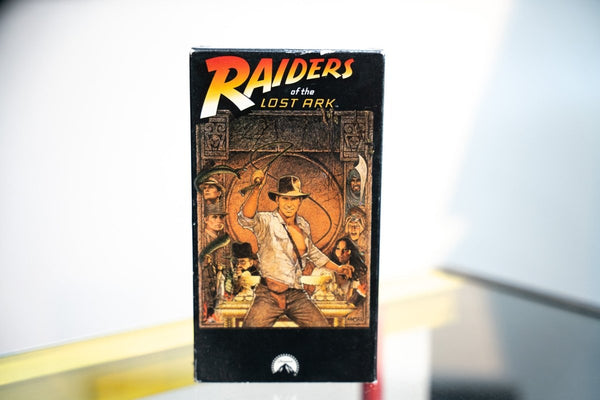
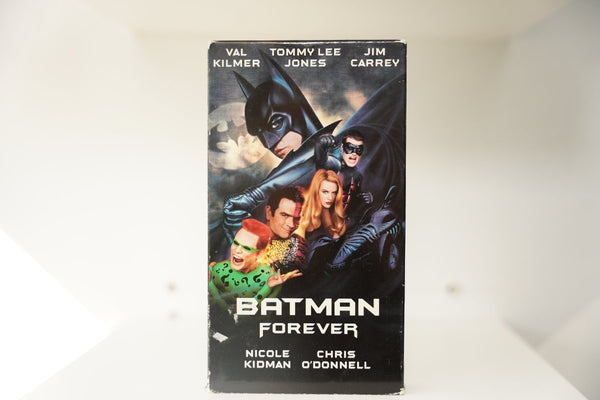
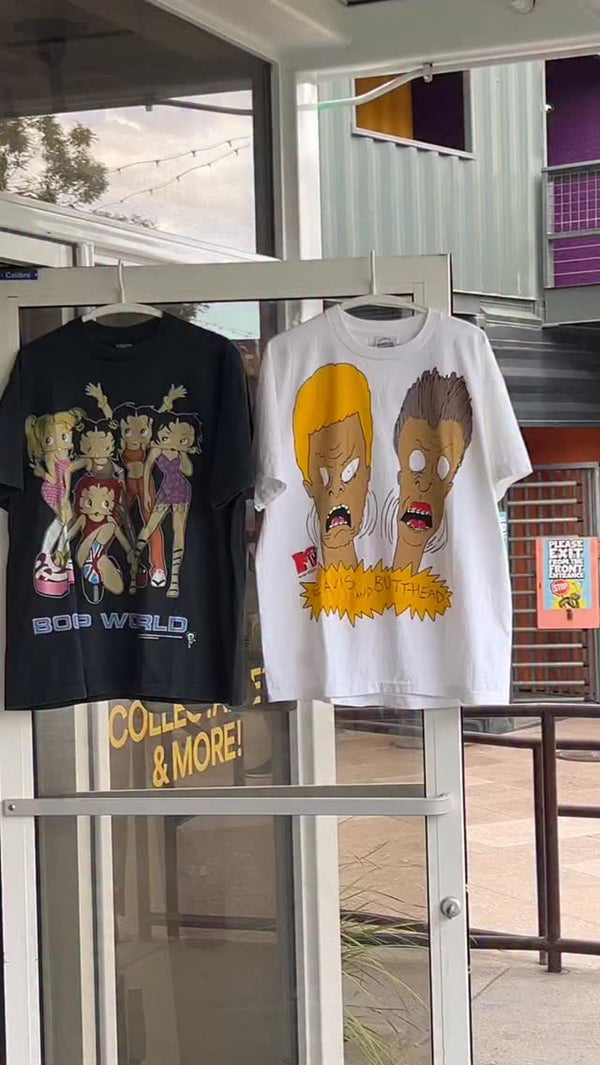
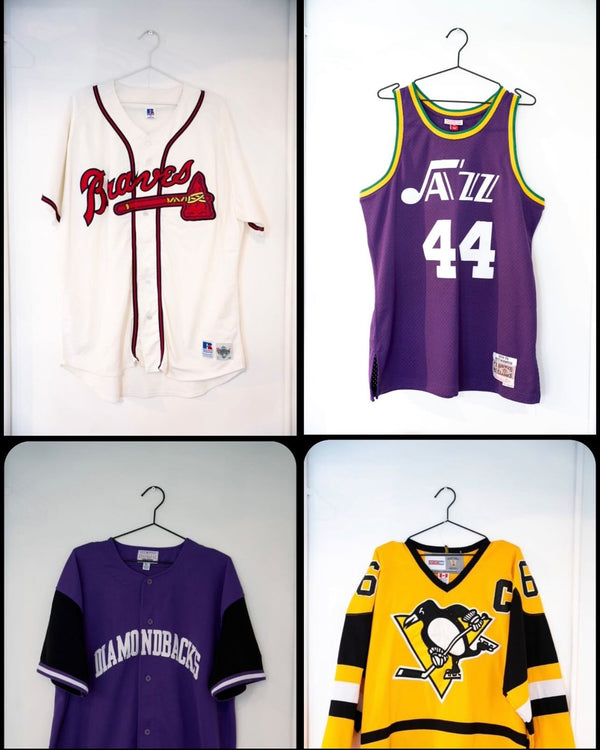
Hand-graded, photographed, described.

T-Shirts

12 pieces on the floor.

Vendor TNA

12 pieces on the floor

Filter

Vendor TNA

12 pieces on the floor

All pieces

About this collection

T-Shirts

Vintage t-shirts from the 1980s through the early 2010s. Single-stitch hems, heavyweight 50/50 and 100% cotton blanks, modern boot reprints on new stock, and the occasional true 1970s survivor. 1,054 active tees are on the rack right now, spanning wrestling, NBA and NFL teams, MLB postseason, NASCAR, movie promo, cartoon and Saturday-morning licenses, band tees, Harley-Davidson and biker events, university and Greek life, and the one-off tourist and novelty graphics that keep this case interesting. Every piece is one of one. When it sells, we do not restock it.

What a vintage tee is, and why dating matters

Vintage tee collecting is keyed to four questions. What year was the shirt printed, what blank was it printed on, what license or event does the graphic represent, and what print method was used. Answer those four and the piece places itself on the timeline, which is what separates a $30 tee from a $150 tee.

The broad eras most of this collection lives in:

  • Late-70s and 80s early vintage (ringer tees, iron-on transfers, heavyweight 50/50 blanks, Hanes Beefy-T, Sportswear, Stedman, Screen Stars, Velva Sheen). Iron-ons sit slightly raised on the fabric. Screen prints from this window tend to crack along the fold lines after 40 years.
  • 1990 through 1999 peak vintage (single-stitch sleeves and hem, Hanes Heavyweight, Fruit of the Loom Best, Oneita, Tultex, Jerzees, Anvil). This is the main Attitude Era wrestling window, the 90s NBA Champion and Salem licensed jersey-style tee era, the 90s movie promo window (the Bart Simpson Neighborhood Watch to Jurassic Park to Space Jam run), and the bulk of the Harley-Davidson dealer tee universe.
  • Y2K and early-2000s (still single-stitch on most blanks through roughly 2000, transitioning to double-stitch on many licenses by 2003, early boxy-fit graphic tees, nu-metal band tees, early-2000s NBA Finals and World Series commemoratives). This is the window where eras blur and dating gets tag-specific rather than era-broad.
  • 2004 through 2010s licensed and modern boot (double-stitch hem, slimmer cuts, NEXT LEVEL and Bella+Canvas blanks entering the picture, official modern-era retail tees, and the rise of the reissued graphic on a new blank that we call a modern boot). Modern boots are legitimate products when priced and labeled as such. The problem only starts when they are sold as 1990s originals.

Key licensors and print houses in the mix: Salem Sportswear (NBA and MLB, late 80s and 90s), Nutmeg Mills (MLB and NFL, same window), Champion, Logo 7, Starter, Delta, Trench, Chalk Line, Winterland Productions (bands and movie), Hanes Sportswear (direct dealer tees), Oneita, Brockum and Giant Merchandising (band tees), All Sport, Signal, and on the later side, Mitchell and Ness and Reebok.

How to tell a real vintage tee from a reprint

The single biggest tell on a vintage tee is the hem. Pre-2000 licensed tees almost universally ran a single-stitch hem at the sleeves and the bottom. You can see it laid flat: one row of stitching, not two. Double-stitch hems became the retail norm through the 2000s. If a tee being sold as 1994 has a double-stitch hem, it is a reprint in 95% of cases. This is the fastest visual check we run on the floor.

Other anchor signals we use:

  • Tag evolution. Hanes alone went through a clear tag arc: the black-on-white Hanes Heavyweight tag ran the 90s, the Hanes Beefy-T carried the late 80s and early 90s, the Hanes 50/50 tag dates earlier, and the post-2005 Hanes Comfortsoft neck label is a dead giveaway for a reissue if the graphic pretends to be 90s. Fruit of the Loom, Anvil, Oneita and Tultex all have similar dateable tag arcs.
  • Blank weight and hand-feel. 90s Hanes Heavyweight and Fruit of the Loom Best are real heavyweights. They feel cottony and substantial, not sheer. A shirt that feels ring-spun-soft and drapey is likely a 2010s or newer reissue.
  • Copyright line. The © YEAR license line near the hem inside tells you the earliest possible print year. If a Jurassic Park tee has a © 1993 Amblin line and a single-stitch Hanes Beefy-T tag, those two signals agree. If they disagree, read the tag.
  • Print condition tied to age. Plastisol prints crack at the fold lines, fade at the collar, and lose black density after 30 years of laundering. A deeply saturated, crack-free print on what is supposed to be a 1993 shirt is suspect until proven otherwise.
  • Country of manufacture. USA-made tags dominate the 1980s and most of the 1990s. By the late 1990s and into the 2000s, production moved offshore on many licenses. A Made in USA tag supports but does not prove an early date; a Made in Honduras or Nicaragua tag on a shirt that pretends to be 1990 is worth a second look.

We write these checks into the PDP for every tee we list. The full tag-by-tag walkthrough lives in the vintage t-shirt dating guide.

How KIC sources and grades tees

Tees are the deepest category on the floor and the one that moves the fastest. We source from estate buyouts (the most reliable source of single-stitch survivors), Midwest and Southeast collection pickups, one-off trade-ins at the shop counter, and the occasional dealer lot when the lot is clean. Every tee coming into the case gets a flat inspection: tag photographed, hem checked for single vs double stitch, pit-to-pit measured, length measured shoulder-to-hem, stains and print cracks called out honestly.

Size labels on vintage tees are advisory, not gospel. A 1994 Hanes Heavyweight Large runs close to a 2025 Medium in fit. Every PDP carries real measurements. If a tee is a modern boot print on a new blank, that is stated on the PDP. If a tee has a repair, fade, stain or print split, it is called out with a photo. We do not hide the damage and we do not inflate the grade.

Inventory depth and typical price bands

1,054 active tees in the case this week. Rough shape by sub-category:

  • Wrestling tees (WWF, WCW, ECW, NWO, Attitude Era): typical $50 to $150. The 1996 through 1999 window sits at the top of the band when the print is clean.
  • NBA and NFL team tees, Salem and Nutmeg era: typical $40 to $120, with Finals and Super Bowl commemoratives running higher.
  • MLB postseason and World Series tees: typical $40 to $100. 1996 and 2000 Yankees, Braves 90s run, Marlins and D-Backs championship prints.
  • Movie promo and cartoon tees: typical $40 to $120, with original-release promo sitting above re-release boots.
  • Band tees: typical $50 to $200, with tour-dated single-stitch survivors at the top.
  • Harley-Davidson and biker event tees: typical $30 to $90.
  • Novelty, tourist and single-graphic oddballs: typical $20 to $60.
  • Modern boot reissues (stated as boots): typical $50 to $80.

Fresh intake hits the rack weekly, with a larger wave in spring around the wrestling-weekend stretch in Vegas, estate-sale season, and the two major vintage markets we buy at each year.

Start with these pieces

Pair this collection with the wrestling case for wrestling-specific shirts with full fighter and promotion context, the jerseys case for adjacent team sportswear, the VHS case for movie promo tees with their matching tapes, and the new arrivals feed for the most recent drops. Shop-floor measurements happen inside Container Park on East Fremont if you want to try on before you buy.

Authentication first: Read our vintage tee authentication guide to see the six signals we work in order. Hem stitching, tag era, country of origin, print method, fabric blend, copyright stamp.

T-Shirts

Questions, answered

Questions about T-Shirts

Every tee in the case is one of one. Most sit between 1988 and the early 2000s, pulled from estates, collectors, and hand-sorted lots we work through every week. The questions below are the ones buyers actually ask us at the counter and in the DMs, answered straight.

From our t-shirt inventory

Pieces on the floor right now

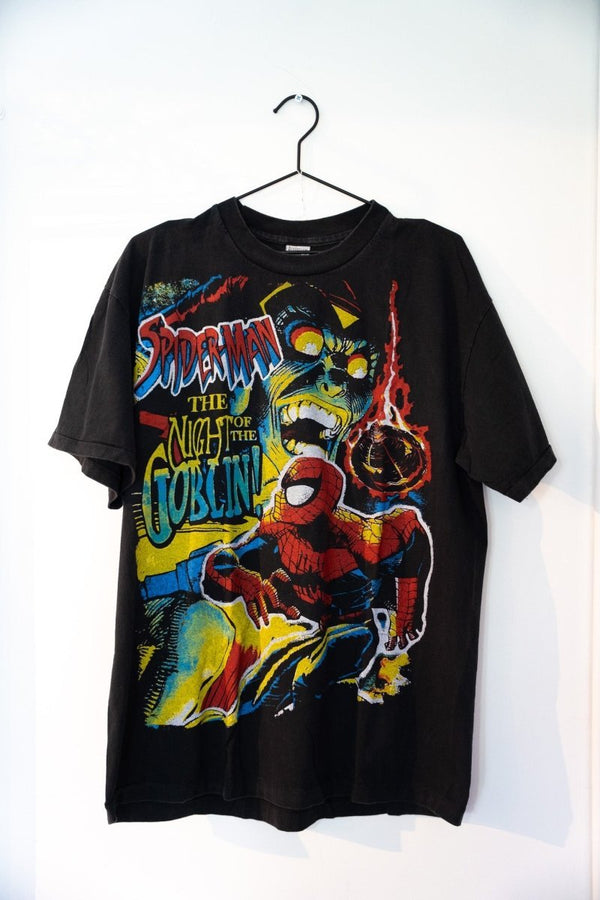
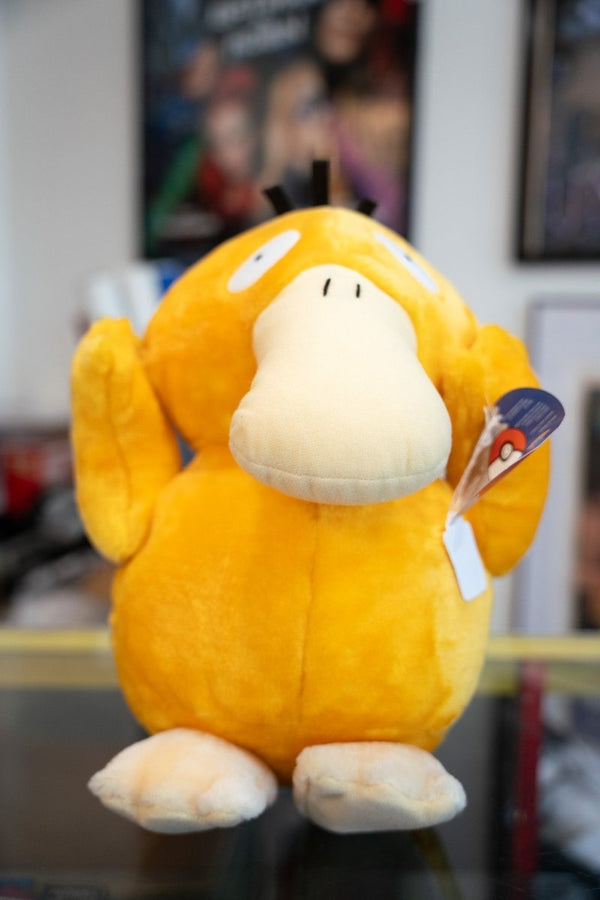
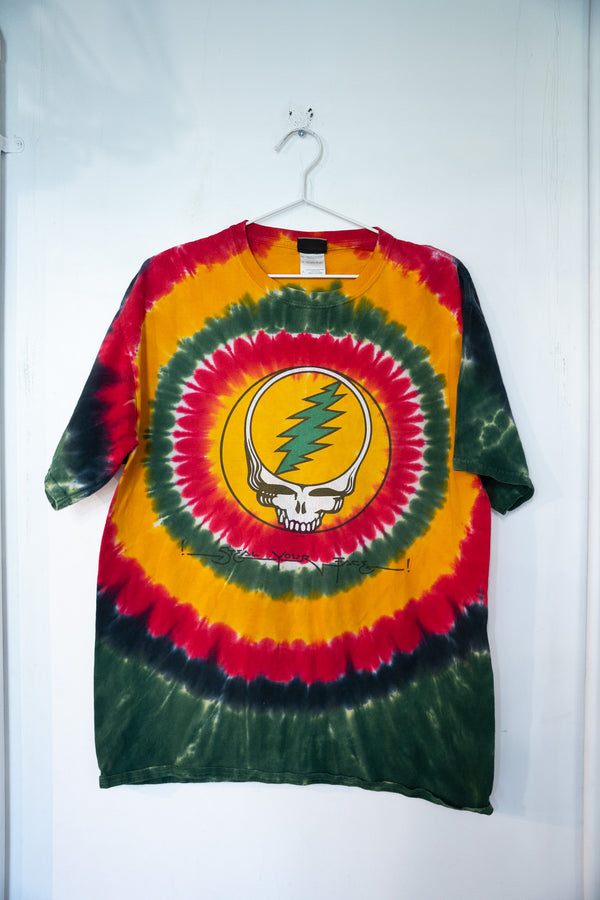
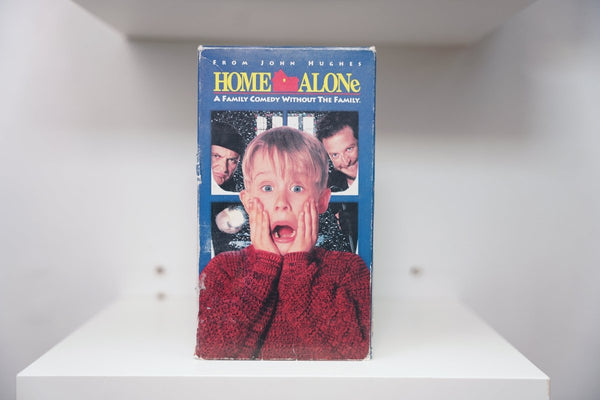
A small slice of the vintage tee inventory in the shop, picked from across eras and licensors. Each piece is one of one, hand-graded, and inspected on Fremont before it ships.

Browse the full vintage t-shirt collection for everything currently on the floor.

How do vintage tees fit compared to modern?
Vintage sizing runs smaller and boxier than modern. A 90s Large usually wears like a modern Medium through the chest, with a shorter hem and a wider cut across the shoulders. Every listing shows the tag photo so you can read the printed size, and when we have them we post pit-to-pit and length in inches. No measurements on the listing? Email info@keepitclassiclv.com and we will pull them that day.
Is single-stitch really a guarantee of era?
Single-stitch hems and sleeves are a strong 90s-or-earlier signal on American-made tees. Most US printers moved to double-stitch in the late 90s, so a single-needle hem paired with a period-correct tag, blank brand, and print style is how we date a piece. For a full walkthrough see our WCW tee authentication guide.
Which blank brands tell you the tee is real vintage?
The blank tells you the decade before the graphic does. Early-to-mid 90s wrestling and sports tees usually came on Nutmeg Mills, Salem Sportswear, Lee Sport, Trench, Chalk Line, Logo 7, Tultex, Hanes Beefy-T, Anvil, or Oneita. Y2K-era tees shift to Lee, Delta Pro Weight, Jerzees, and early Gildan Ultra Cotton. When the blank and the print method and the tag all line up, we list it. When they do not, it does not hit the floor.
How do I know it is an original print and not a reprint?
Reprints are the biggest trap in wrestling and rap tees. We cross-check the blank, the tag font, the copyright year on the hem print, the ink feel (plastisol on 90s WWF and WCW, water-based on most modern reissues), and the graphic registration. A 2004 WWE reprint on a Tultex blank with a modern neck tag does not get sold as a 1998 WWF original. If we are not sure, we list it as a reprint and price it accordingly.
What do your condition grades mean on a tee?
Full tier breakdown lives at our condition scale. For tees specifically: Mint means unworn or near-unworn with a crisp graphic and no fading. Excellent means worn, washed, no damage, print fully intact. Good means soft from wash cycles, maybe light pilling or a slight collar stretch, graphic readable. Fair means visible wear, light cracking on the print, or a small imperfection noted in the listing. Every flaw that shows up in hand gets photographed and called out in the description.
Do you wash or restore the tees before selling?
No. We do not bleach, we do not re-dye, we do not re-press prints. A 1996 Stone Cold tee that has a little fade at the hem is a 1996 Stone Cold tee that has a little fade at the hem. We would rather preserve the era than flatten it. If a piece comes in with a smell we cannot air out on the rack in a week, it does not get listed.
How should I care for a vintage tee once I have it?
Turn it inside out, wash cold on a gentle cycle, and hang dry. No high heat, no dryer on a screenprinted graphic, no bleach. Do not iron directly on the print. For the really delicate pieces, hand wash in the sink with a drop of gentle detergent and lay flat to dry. Thirty years of survival got you this tee. Another thirty is on how you treat it.
What is your return policy on a tee?
Fourteen days from delivery for online orders. Exchange or store credit, or a refund to your original payment method less the return shipping label. In the shop on Fremont, returns are exchange or store credit only. Every tee is one of one, so if the fit is wrong we will usually trade you into something that works. Full policy at refund policy.
Can I pick it up at the shop instead of shipping?
Yes. Select "Local Pickup" at checkout and your tee waits for you at 707 E Fremont Street, Suite 1170, ground floor east side of Downtown Container Park. Most pickups are ready same day during open hours. Walk in and ask at the counter.
I am hunting a specific team, year, or match tee. Can you help?
Yes. Email info@keepitclassiclv.com or DM @keepitclassiclv on Instagram with what you are after. Team, era, size range, and a reference photo if you have one. We work with collectors every week on wishlists for WCW, WWF, Attitude Era, NBA Champion tagless, NFL Starter, NCAA Salem, and 90s rap and movie promo. When something lands in the shop that matches, you get the text first.
Is the graphic printed or heat-transferred? Does it matter?
It matters for dating the piece. 80s and 90s wrestling, rap, and sports tees were almost all plastisol screenprint, which sits on the fabric with a slight rubbery feel and cracks as it ages. Iron-on heat transfers show up on off-brand or homemade-run tees from the same era and age differently. Modern reissues often use soft-hand water-based inks or direct-to-garment, which feels very different in hand. We note the print method in the listing when it is a tell for authenticity.
Shipping. How long, and do you ship internationally?
US orders ship in one to two business days via USPS Ground Advantage or Priority Mail, tracked. Vegas locals can pick up same-day. We ship to 28 countries via USPS International. Duties and customs are the buyer's responsibility on international orders. Lost or stuck-in-transit packages: email info@keepitclassiclv.com and we will open a case with the carrier that hour.
What is a single-stitch t-shirt and what years does it cover?
Single stitch refers to a t-shirt with one row of stitching at the sleeve hem and the bottom hem, visible on the inside as a single thread line. US blanks (Hanes, Fruit of the Loom, Anvil, Jerzees, Screen Stars, Sneakers, Oneita) ran single stitch through roughly 1994, with a transition window from 1994 to 1996. Most US-made tees from 1997 forward are double stitch. Single stitch alone does not guarantee a pre-1994 tee: check the care tag font, copyright year on the graphic, and blank brand. Flip the hem, count the rows, cross-reference the tag.

Every piece in this collection earned its spot through hands-on sourcing, condition grading, and a lot of late nights. We pull from estate sales, dead-stock attics, and the occasional miracle. If it is here, we trust it.

One of one.Ships from Las Vegas.One of one.Ships from Las Vegas.One of one.Ships from Las Vegas.