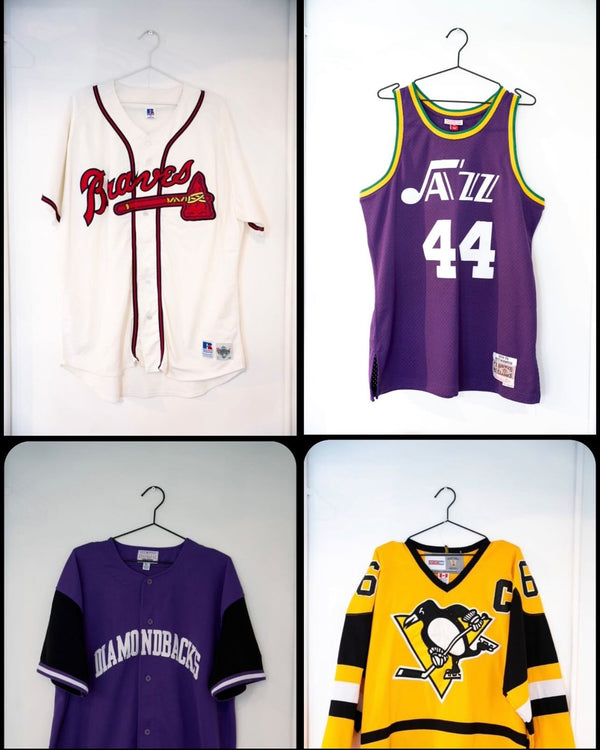
Hand-graded, photographed, described.

VHS Tapes

302 pieces on the floor.

All pieces

Showing 25 to 48 of 302

About this collection

VHS Tapes

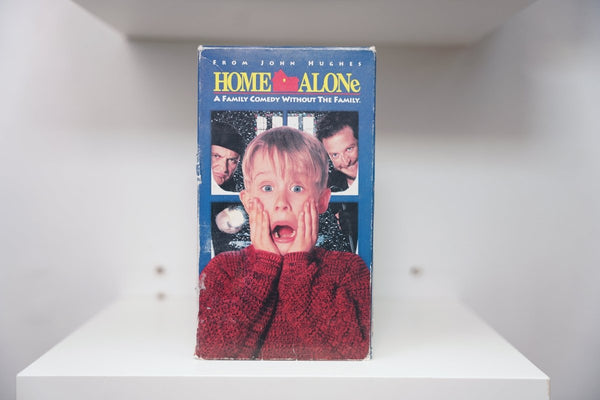
The shop currently stocks 886 vintage VHS tapes, spanning the full retail-VHS arc from the early 1980s through the format's last commercial gasp in 2006. Clamshell Disney, Coliseum Home Video wrestling, Goodtimes budget releases, sealed studio first-runs, rental-era plastic from Blockbuster and West Coast Video, slimline late-format reissues, demo and screener tapes, kids and horror and concert film and direct-to-video oddities. Every tape is one of one. When it sells, it is gone.

Why VHS still moves

VHS is not nostalgia bait. It is a working format with a rapidly contracting supply, a fast-growing collector base, and tape-specific cover art and edits that often do not exist anywhere else. The 4K restorations on streaming have re-cropped, color-corrected, and time-stretched the films that defined a generation. The VHS prints are the original cuts, the original masters, and the original artwork, and they will not get cheaper.

The collectors driving this market sort into a few overlapping camps. Sealed-tape buyers chasing high-grade case condition for shelf display. Rental-era completionists rebuilding the Blockbuster wall. Genre collectors going deep on slasher, kung-fu, anime, or wrestling. Cover-art collectors who want the slipcase regardless of what is inside. Players who actually run a CRT and a deck and want the visual look the format produced. The shop stocks for all five.

The categories that matter on a VHS shelf

Disney Black Diamond and Classics. The Walt Disney Classics line ran 1984 to 1994 and is identifiable by the black diamond logo on the spine. The Little Mermaid, Beauty and the Beast, Aladdin, the early Mickey compilations. Sealed Black Diamond in clean clamshells is the blue chip of the format.

Clamshell case era. Hard plastic clam-style cases dominate from the early 80s through about 1996, especially on kids and family titles. Disney, Hanna-Barbera, Sesame Street, Nickelodeon, Children's Television Workshop. The clamshell protects the artwork and stays beautiful in storage. Slipcase paperboard from the same era is fragile and grades harder.

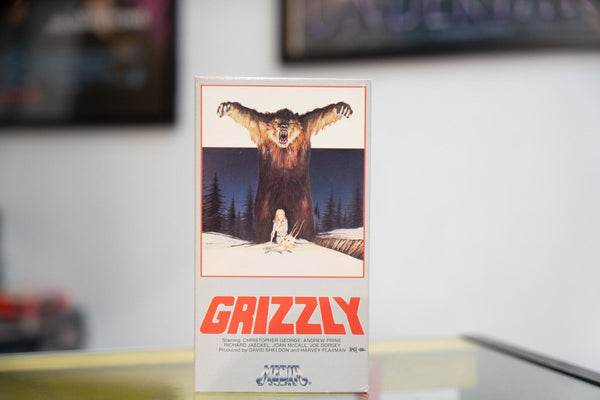
Horror and slasher. The genre that built VHS as a collector format. Wizard Video big-box, Vestron, Media Home Entertainment, Thorn EMI, Continental, Magnum Entertainment. The 80s slasher market was dominated by independent labels that no longer exist, and original artwork survives only on the tape.

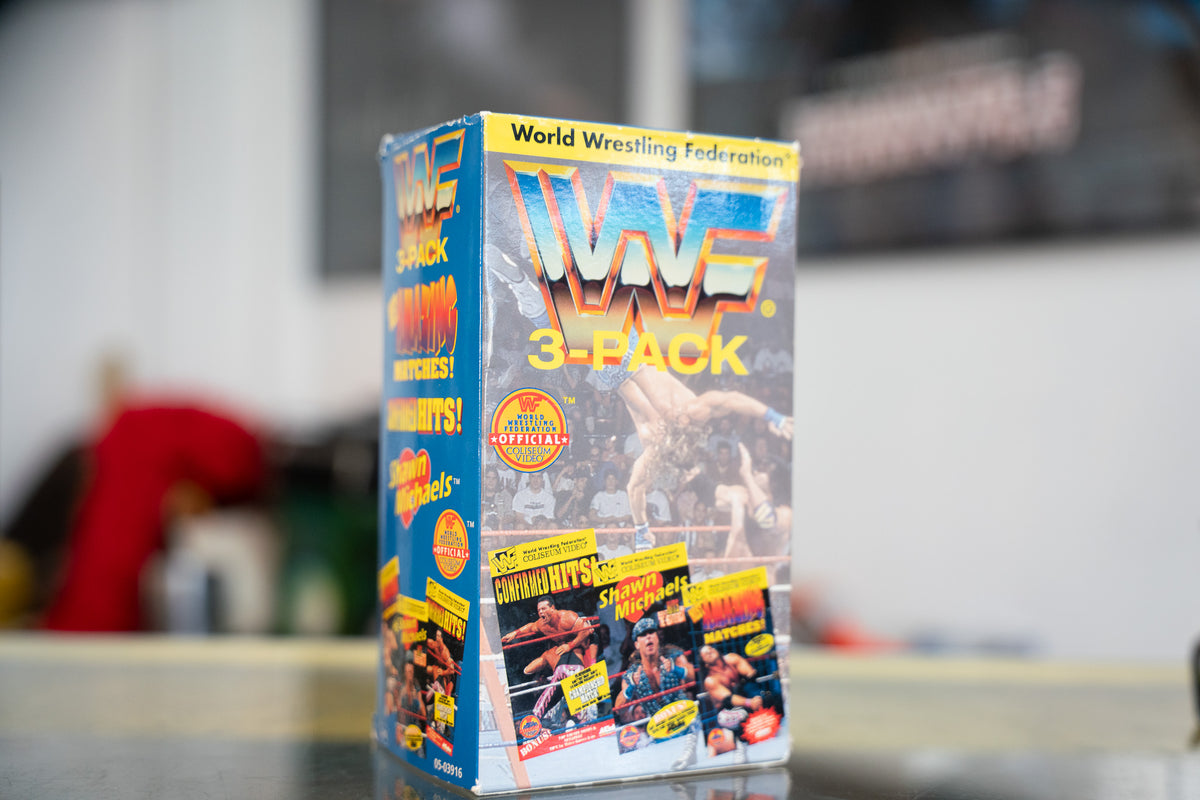
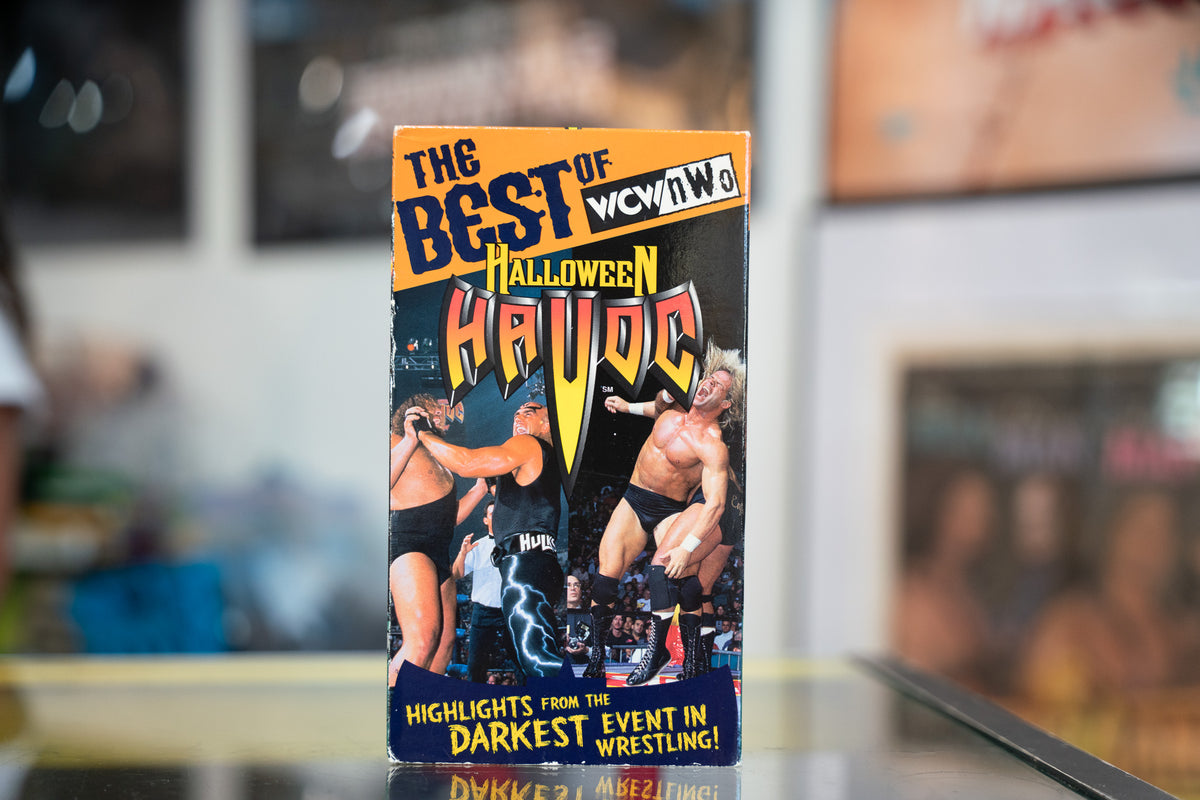
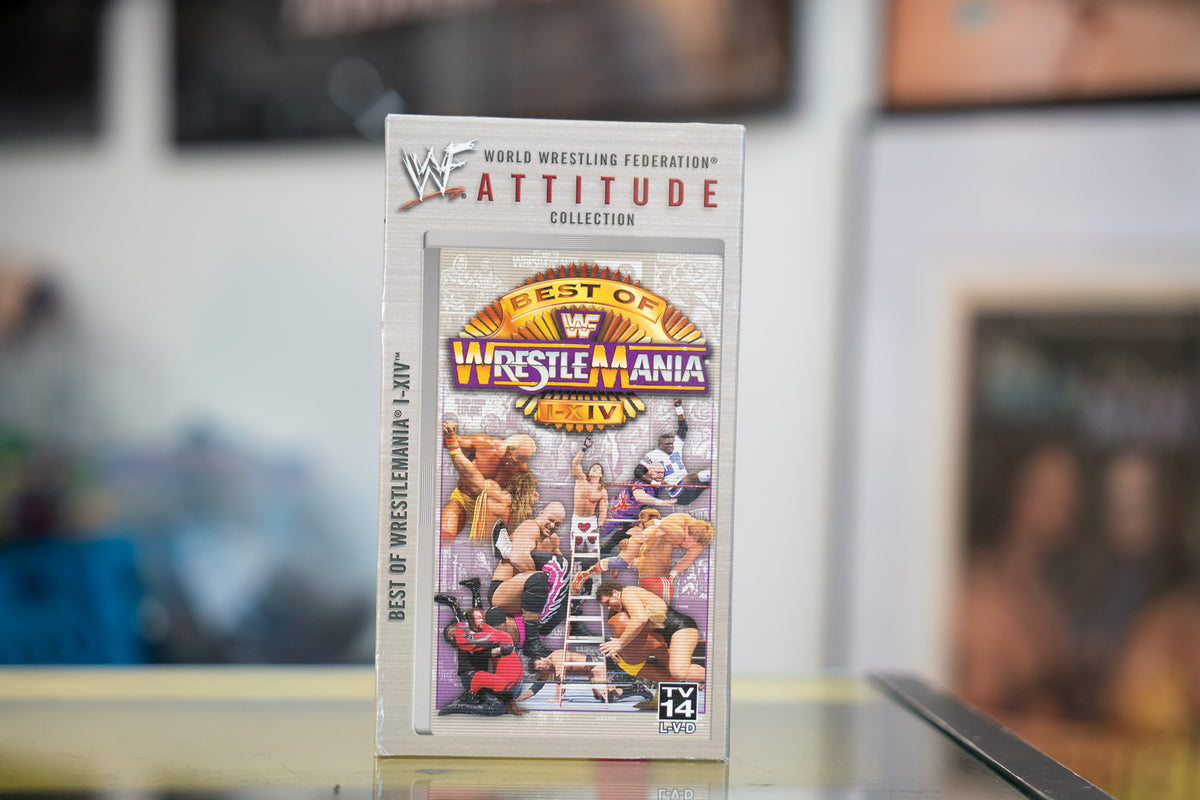
Wrestling. Coliseum Home Video WWF run from 1985 to 1997. Pay-per-view recordings, Best Of compilations, wrestler-specific tapes. Coliseum was the only legal way to re-watch a WWF event for over a decade and the cover art is era-defining.

Concert film and music video. MTV-era VHS, MJ, Madonna, Beastie Boys, Nirvana Live at Reading. Often the only legal release of a given live recording.

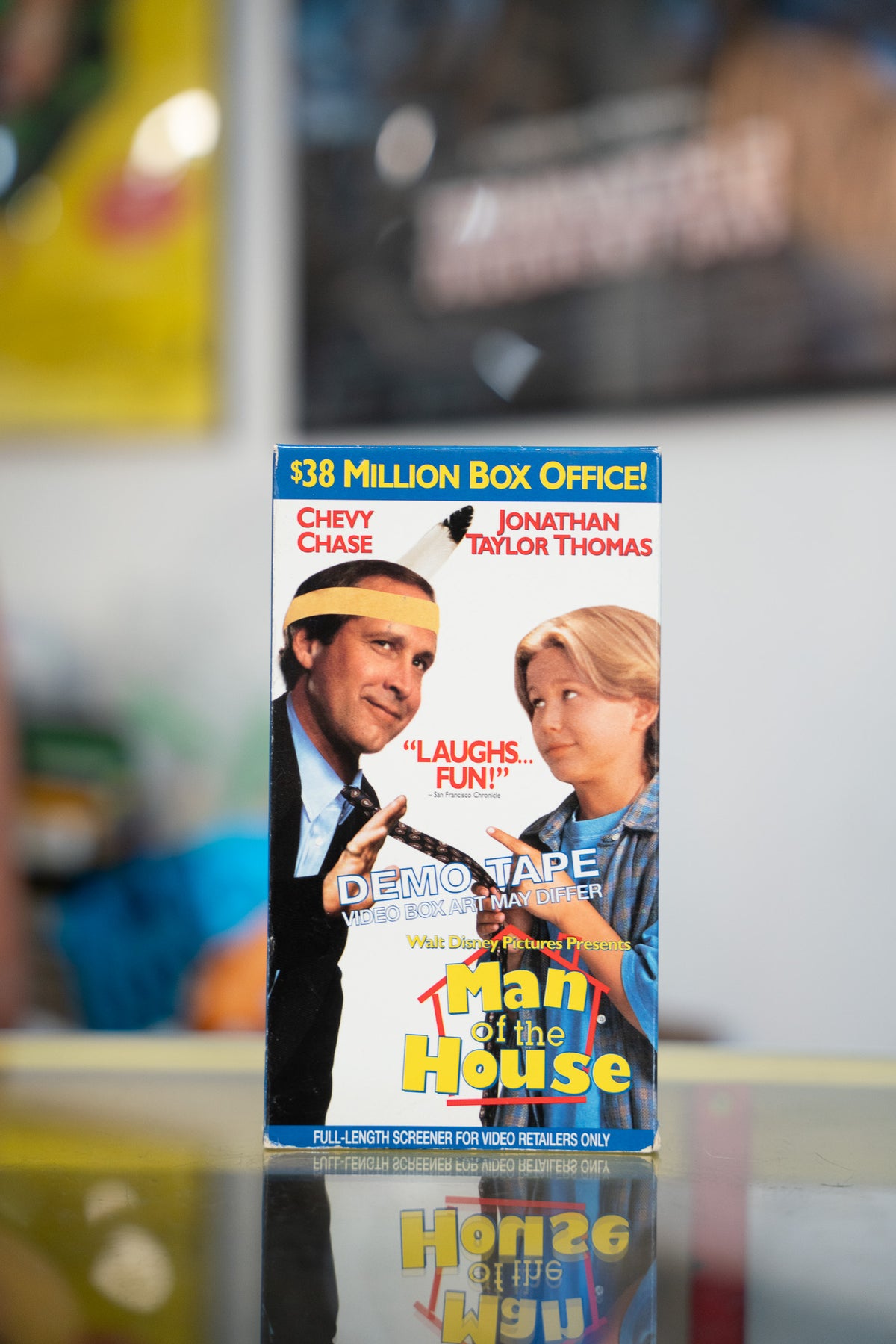
Demo, screener, and promo. Industry copies, video-store demos meant for the in-store TV. Often unique cover treatments and frequently unreleased commercially. The shop stocks demo tapes when they cross the door.

Sealed first-run modern. 2001 to 2006, the format's last years. Often overlooked because the films are not classics, but the sealed-format population is small and shrinking. Harry Potter and the Sorcerer's Stone sealed VHS, the late-format Pixar releases, the Lord of the Rings trilogy on tape. Cheap to acquire today, hard to find in five years.

Spotting a fake or bootleg

VHS counterfeits are less industrial than jersey or sneaker fakes, but bootlegs are abundant, especially on horror and on Asian imports. The tells:

  • Cover art weight and print. Original studio releases use thick coated stock. Bootlegs print on thin matte paper that wrinkles in the slipcase.
  • Label stickers on the cassette. Studio tapes have printed plastic labels, often with a holographic or embossed studio mark. Bootlegs use white sticker stock printed on a home printer.
  • Recorded over. Spool the tape forward an inch and look at the leader. A real first-run tape has factory leader. A re-recorded bootleg often has no leader at all.
  • Region and language stickers. A US clamshell with Korean or Spanish overprint stickers is an import or a re-distribution. Authentic and collectible in the right context, but priced and labeled accordingly.
  • Bar code and SKU. The bar code on the back of the slipcase should match a known studio catalog number. If it is missing, hand-printed, or obscured by a sticker, ask why.

Condition grading on tape

Every VHS on the floor is graded on the five-tier ladder. Format-specific signals:

  • Sealed or unsealed. Sealed adds a tier and is called out explicitly in the title. Some sealed tapes are factory-original shrink, some are later collector-shop reseals; the listing distinguishes when it can be told.
  • Case condition. Clamshell hinges, slipcase corners, spine yellowing, sticker residue. Case grade often matters more to display collectors than tape grade.
  • Cover art integrity. Sun-fade, water damage, price-sticker peel scars. Black Diamond and clamshell horror are especially sensitive.
  • Tape integrity. Mold, sticky-shed syndrome, warping. The shop plug-tests representative inventory; the listing flags any playback issue we identify.
  • Rental-era stickers. Blockbuster, West Coast Video, Hollywood Video stickers are part of the artifact. Removed-but-residue is graded down. Intact-and-clean rental stickers are valued by completionists.

What is on the floor right now

The 886-tape count covers everything from sealed Disney clamshell to demo-tape oddities. Recent pickups include sealed Harry Potter and the Sorcerer's Stone, demo screeners for He Got Game and Heavyweights, The Hulk theatrical-release VHS, sealed The Ladies Man, and a deep run of horror clamshells rotating through. The collection turns fast on horror and Disney Black Diamond and slow on late-format sealed.

Browse VHS by newest in to see the freshest pulls, or sort by price to dig the budget end.

Sibling collections and category guidance

VHS pairs with the rest of the home-video nostalgia floor. Cross-shop vintage video games for the same era, vintage toys for the kids-aisle tie-in, and the horror VHS deep cuts for any non-VHS film artifact. Format-specific FAQ on plug-testing, deck recommendations, and shipping fragile tape lives at the VHS FAQ page.

Sourcing notes

VHS comes in through estate buys, video-store closures (the few that are left), private collection liquidations, and walk-in trades. The shop does not bulk-buy lot-bought tapes off auction without sorting. Every tape is reviewed individually before pricing. Listings call out plug-test status, sealed status, and any cover or case damage.

The shop is at 707 E Fremont Street, Suite 1170, Las Vegas NV 89101. Ground floor of Downtown Container Park, east side. The wall of tapes is in the back room. Bring a CRT.

VHS Tapes

Questions, answered

Questions about VHS Tapes

VHS is a condition game played on the case, the slipcover, and the label as much as the tape inside. Big-box horror, Black Diamond Disney clamshells, and Coliseum Video wrestling each have their own rules. Below is how we grade, price, and ship tape.

From our VHS inventory

Tapes on the floor right now

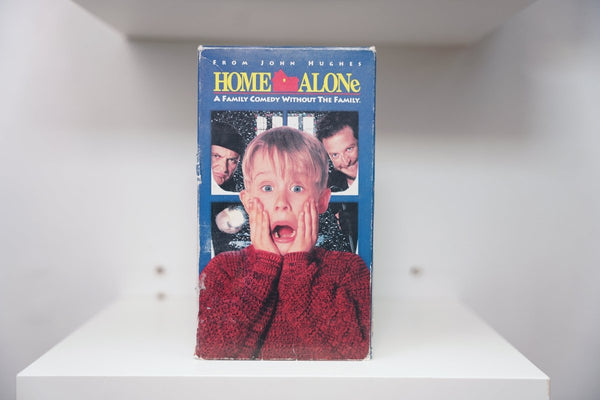
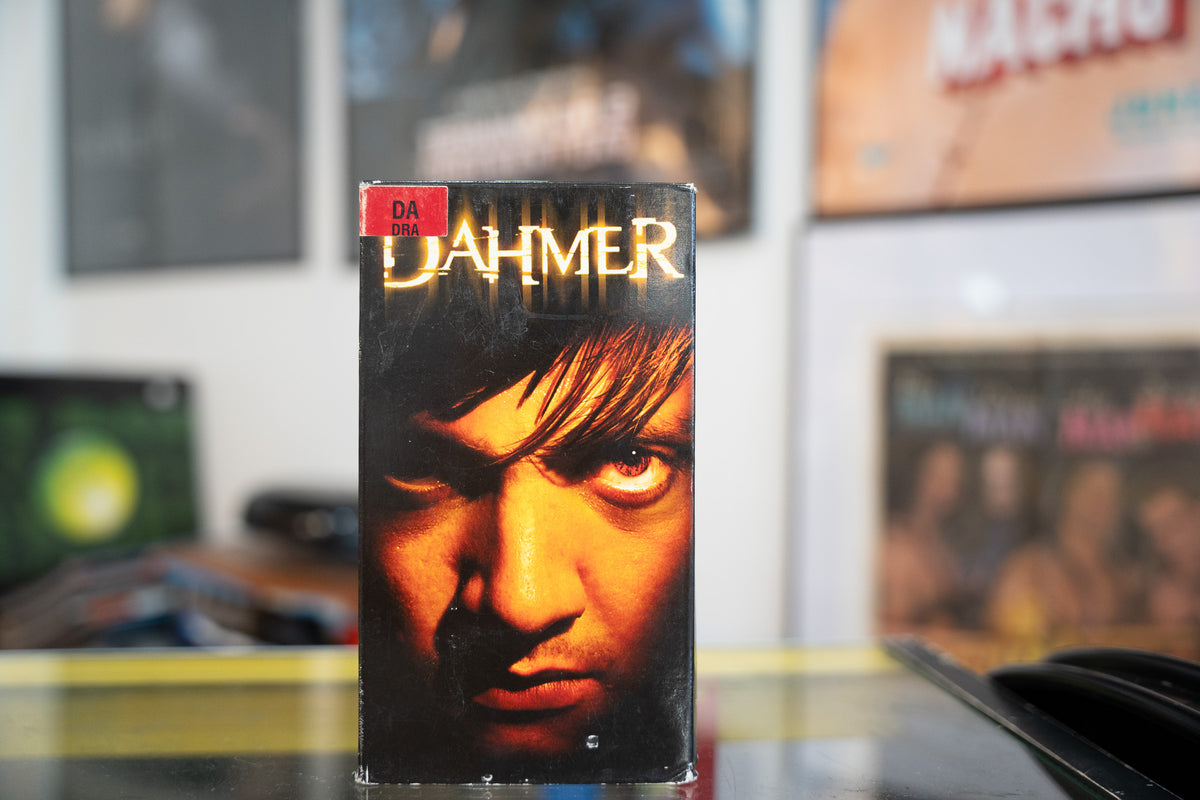
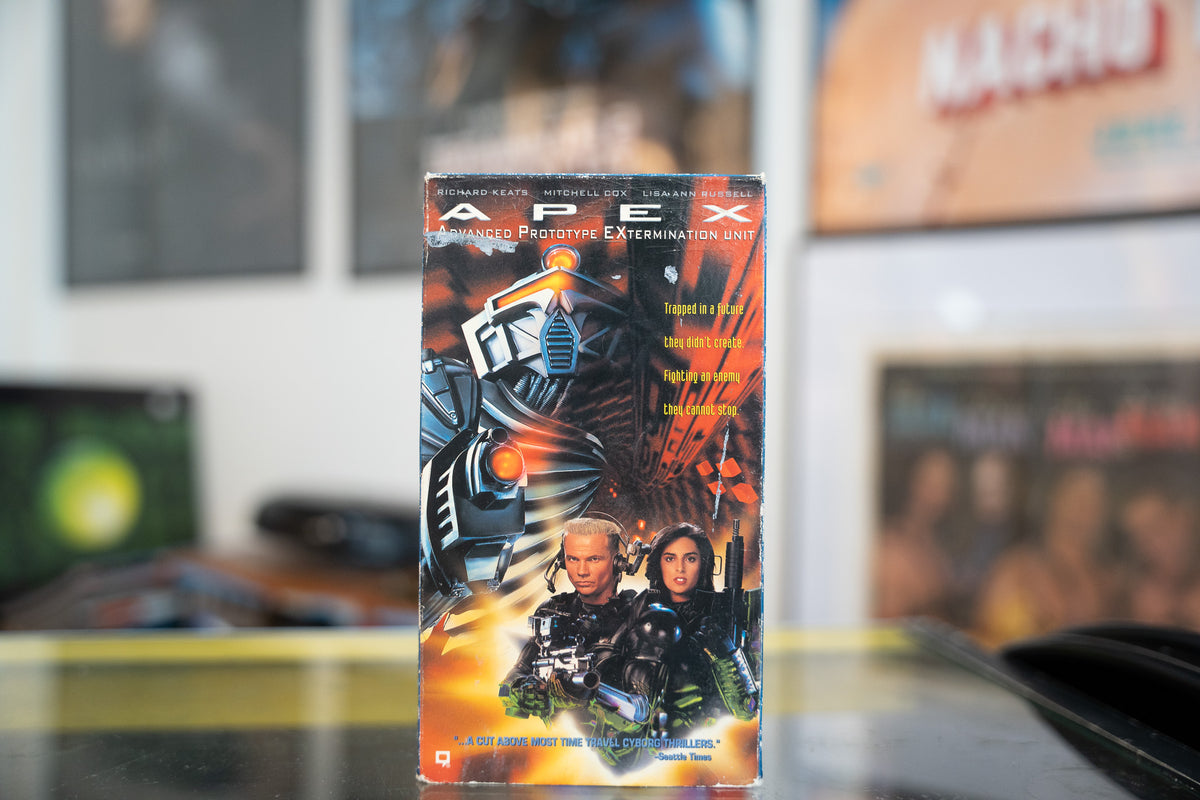
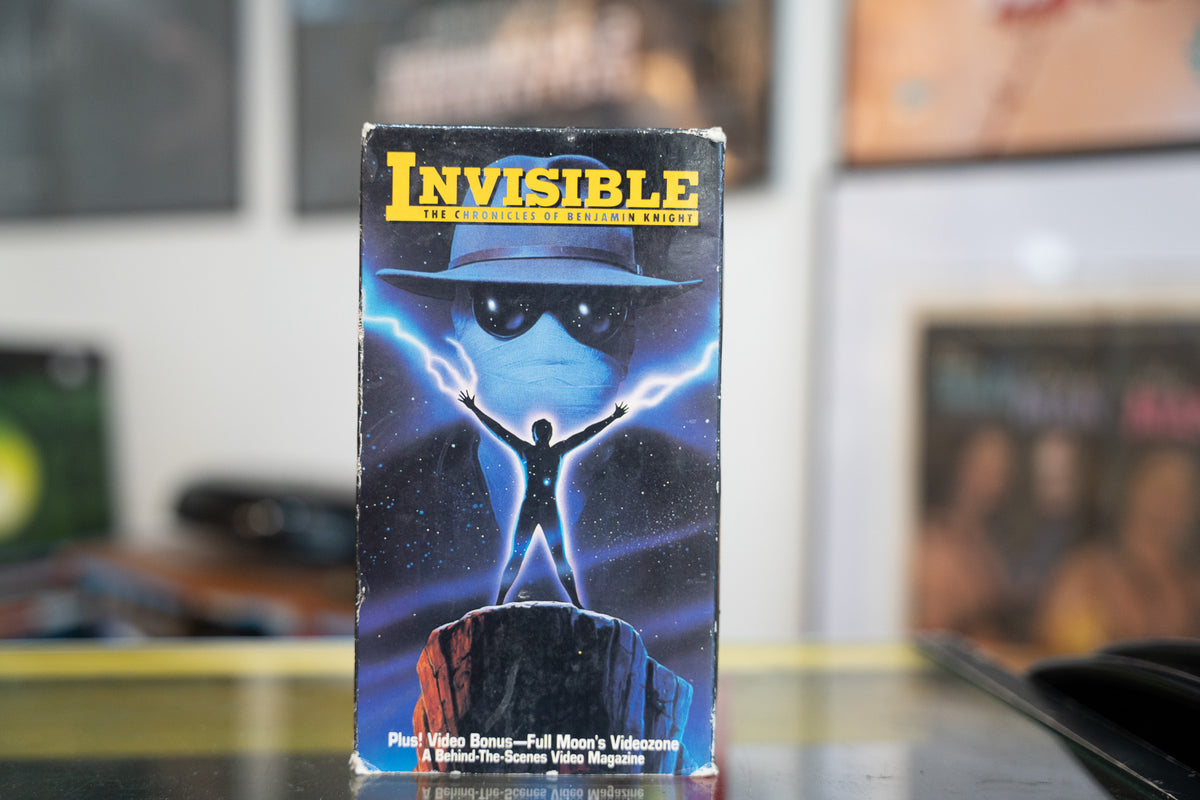
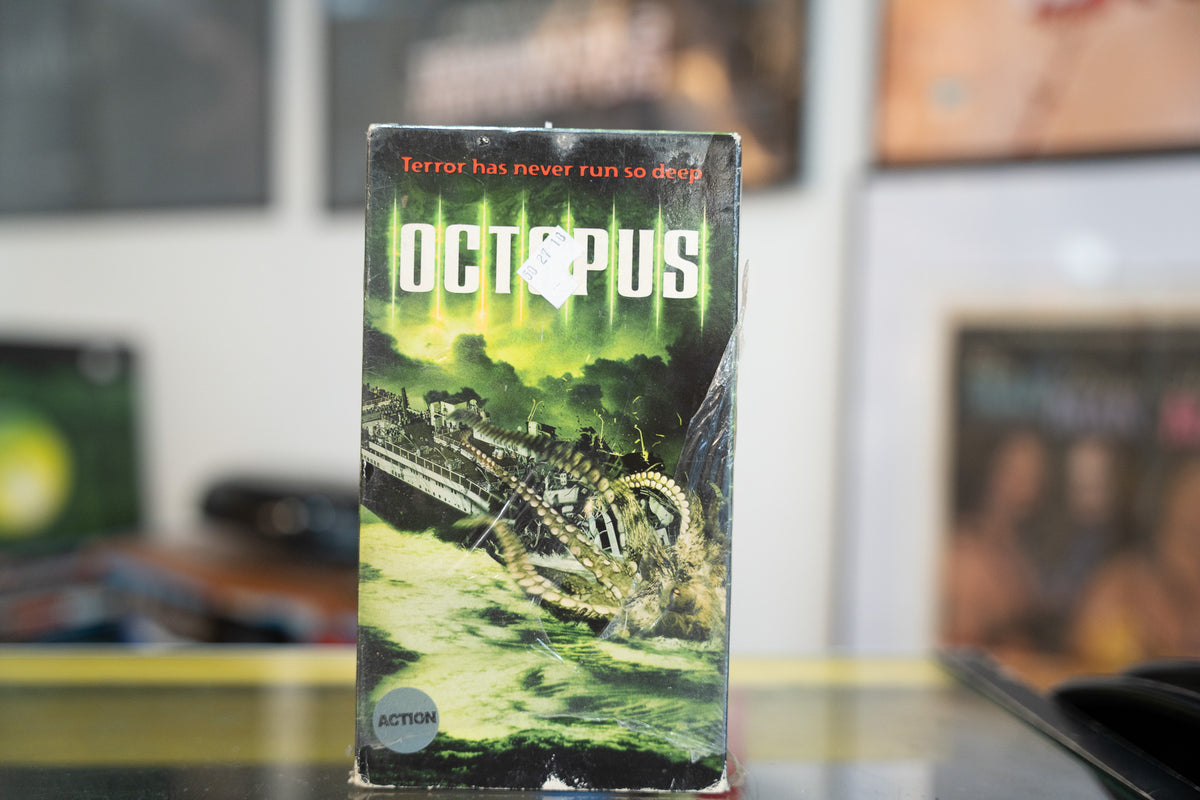
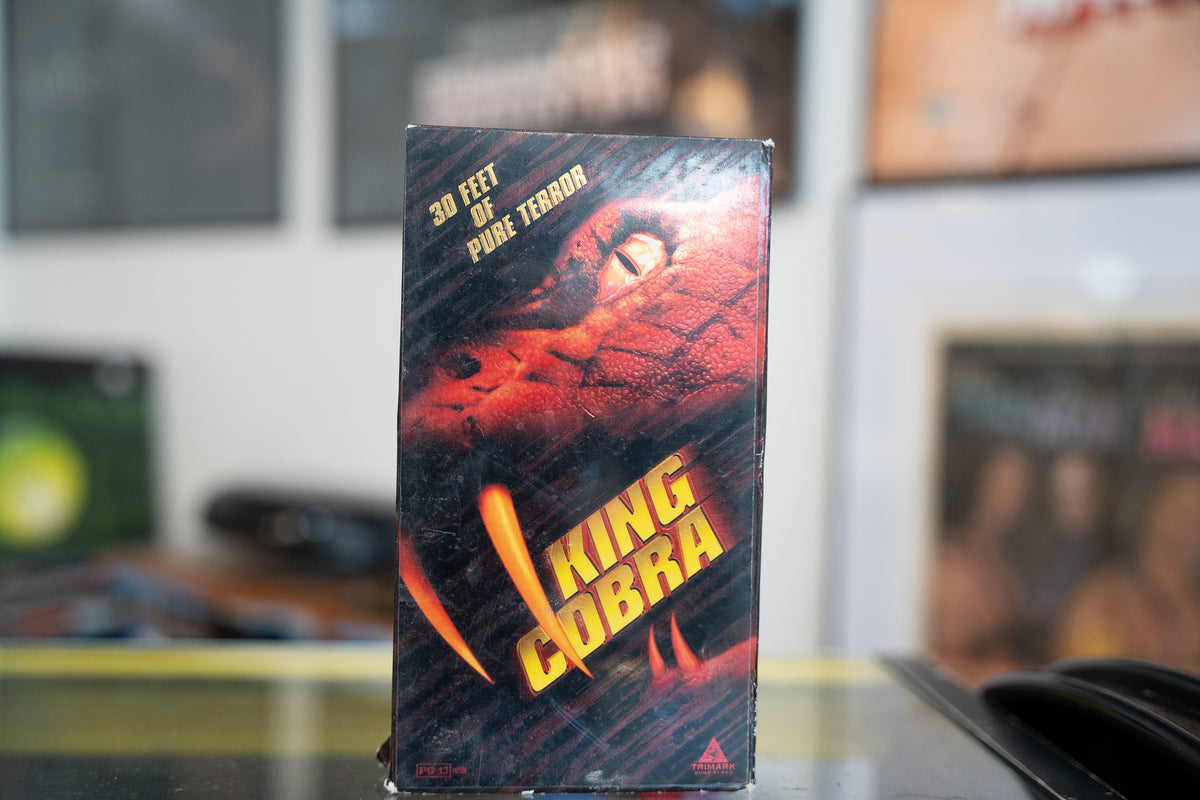
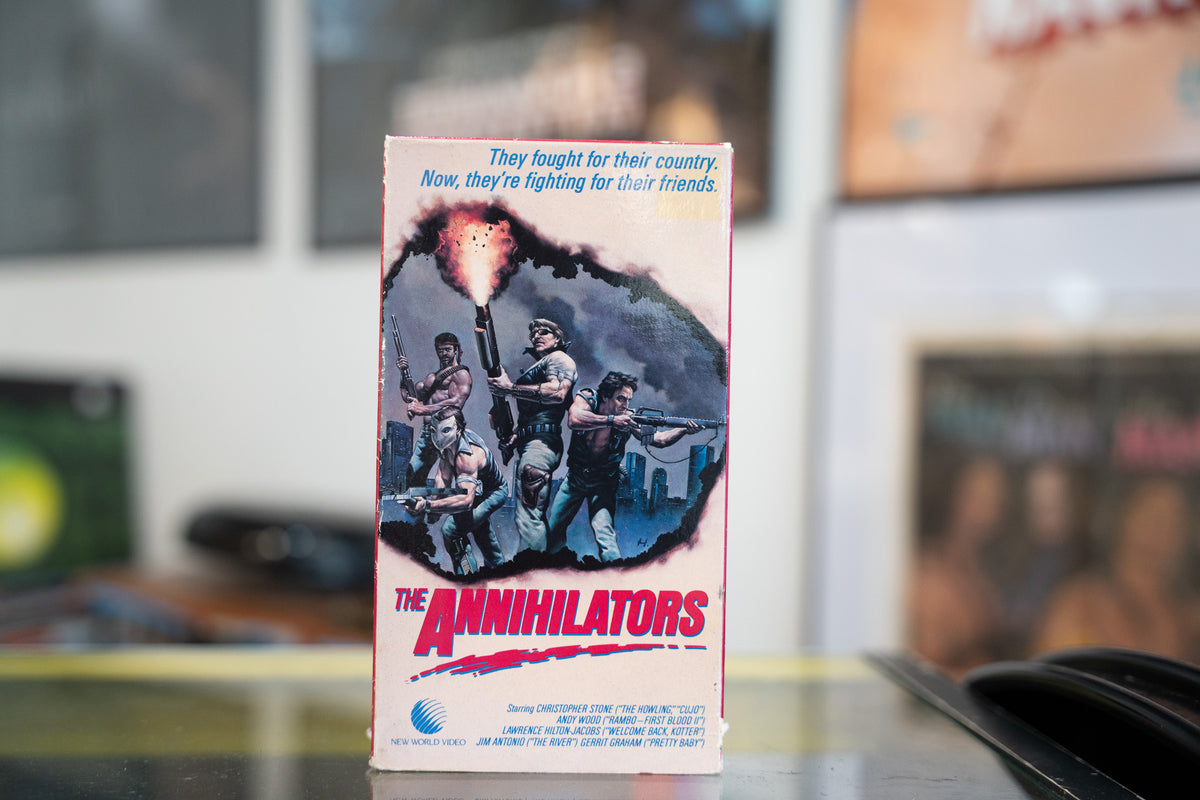
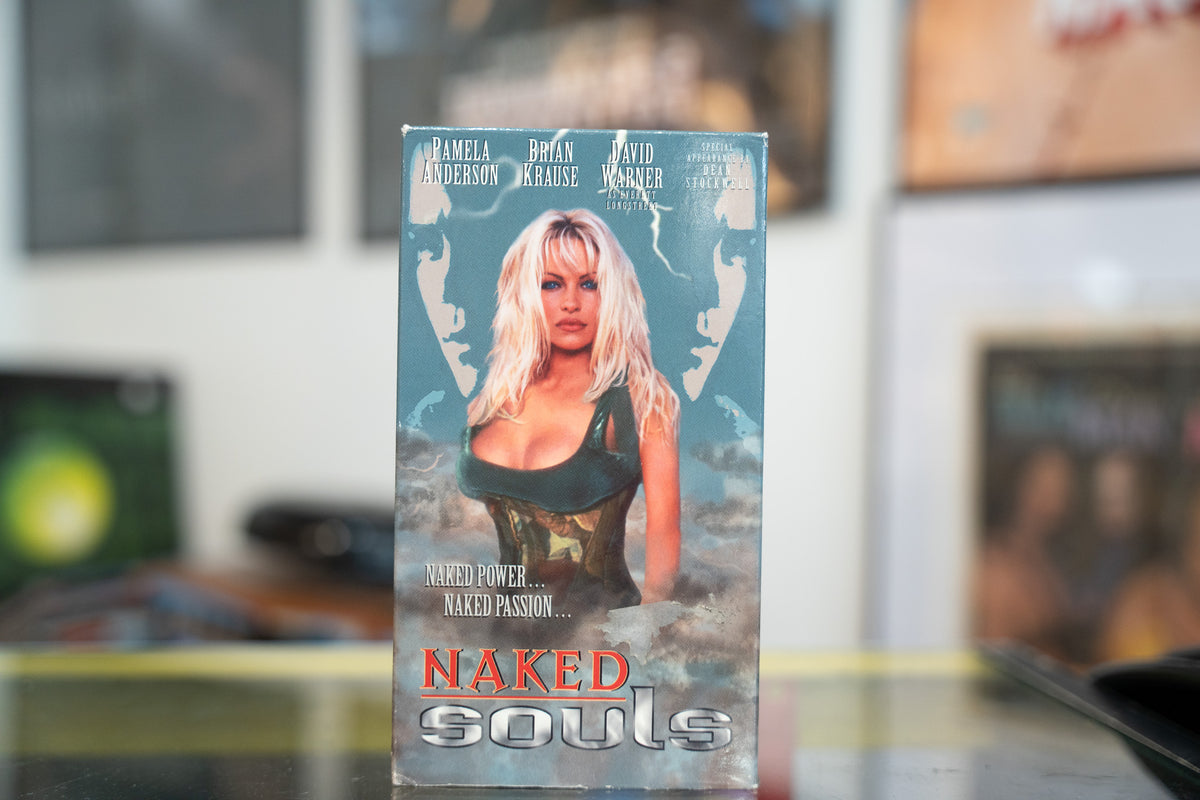
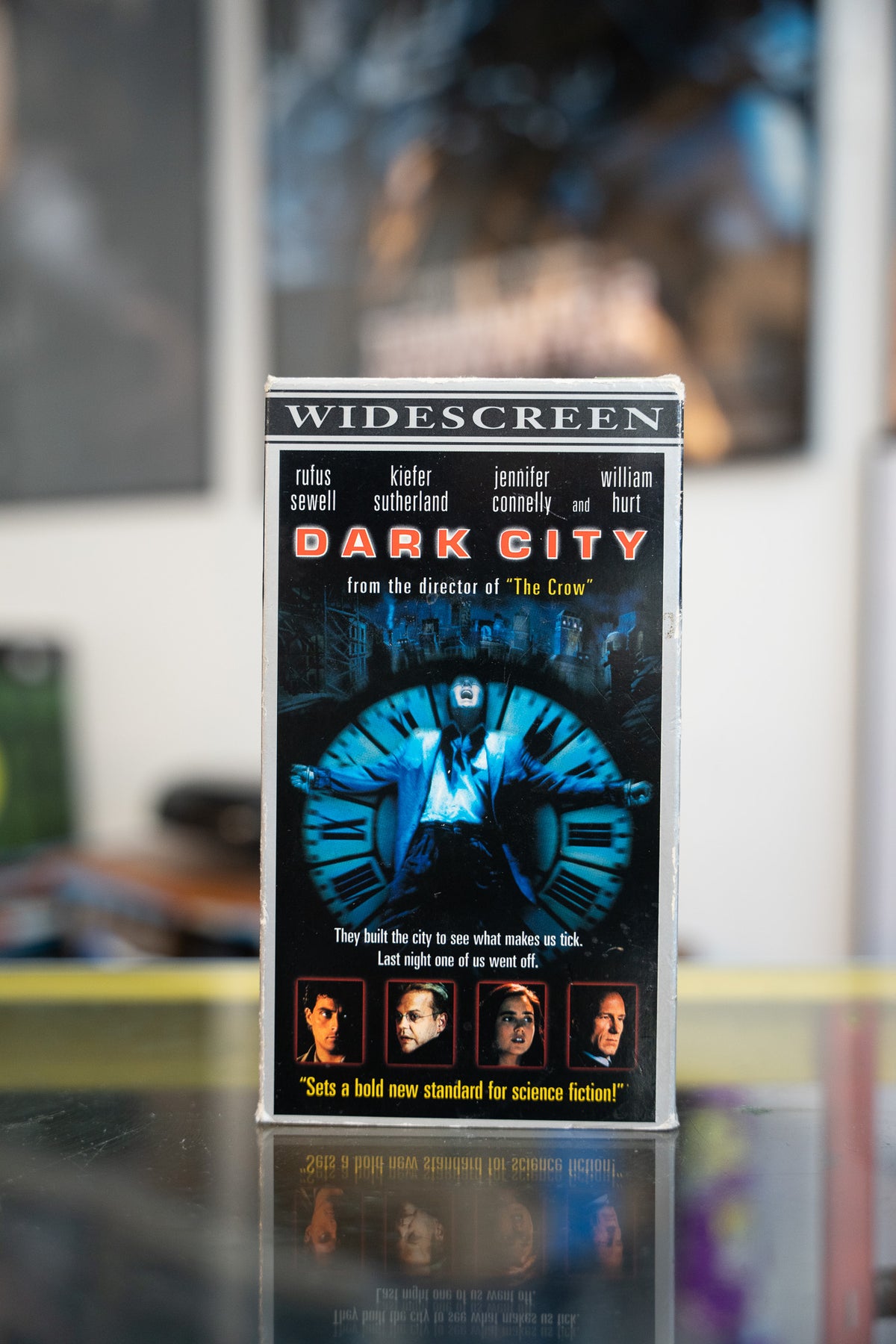
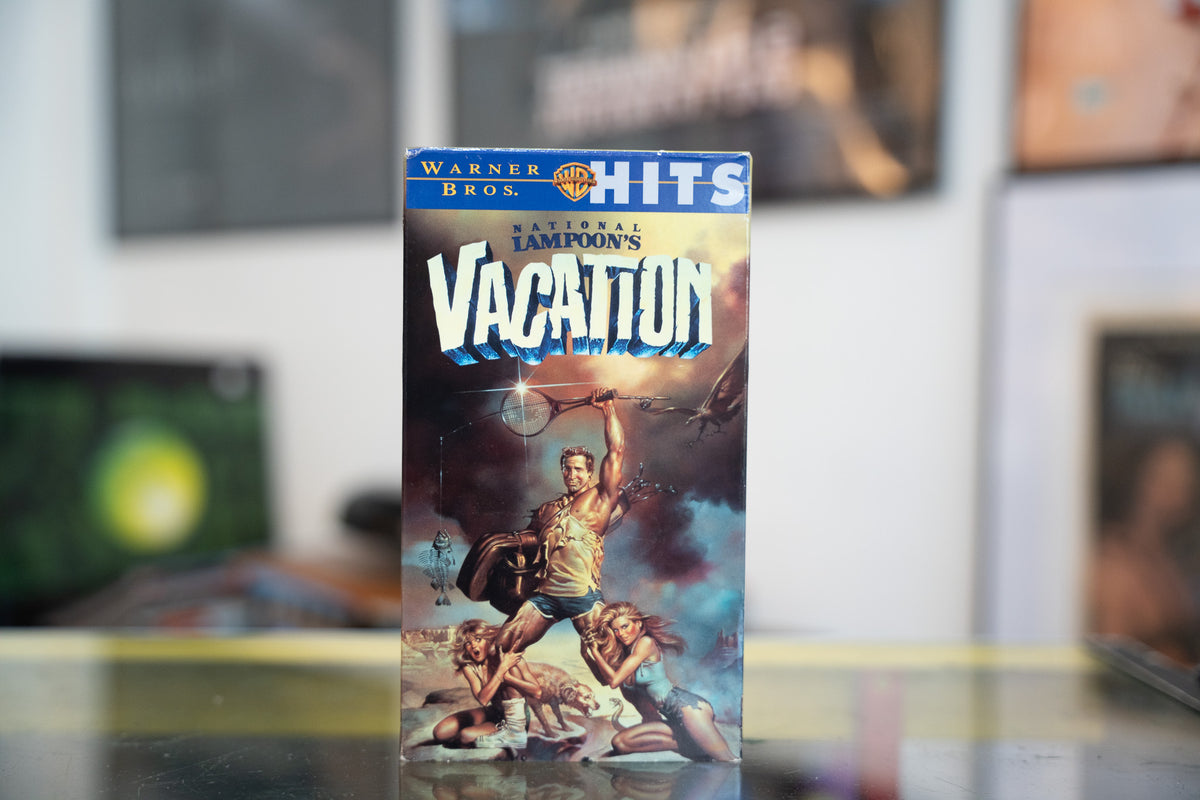
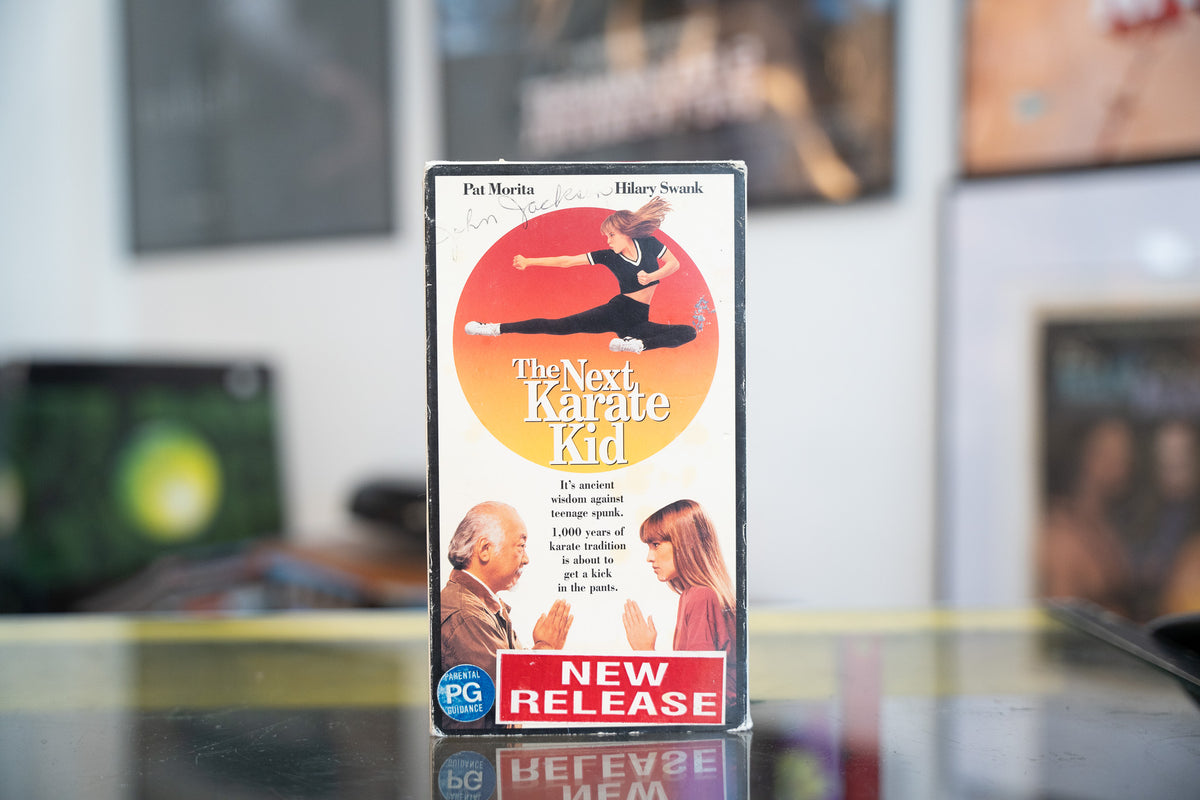
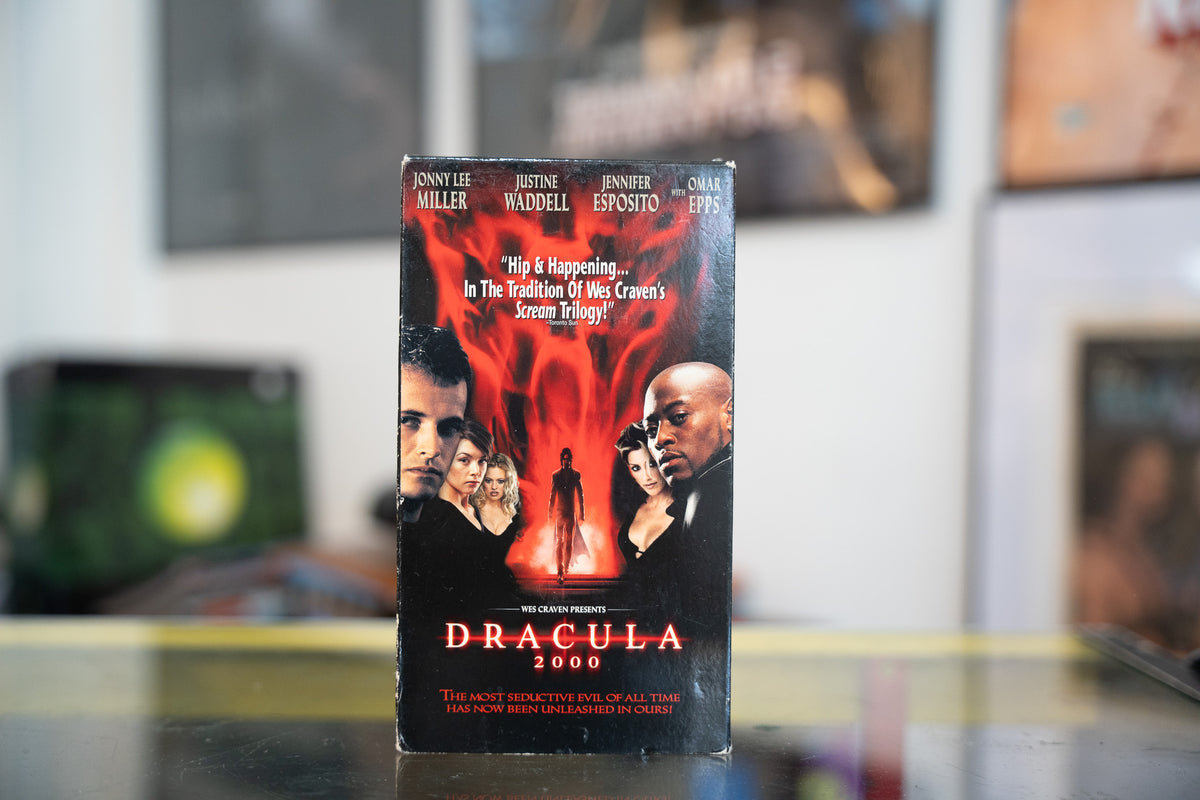
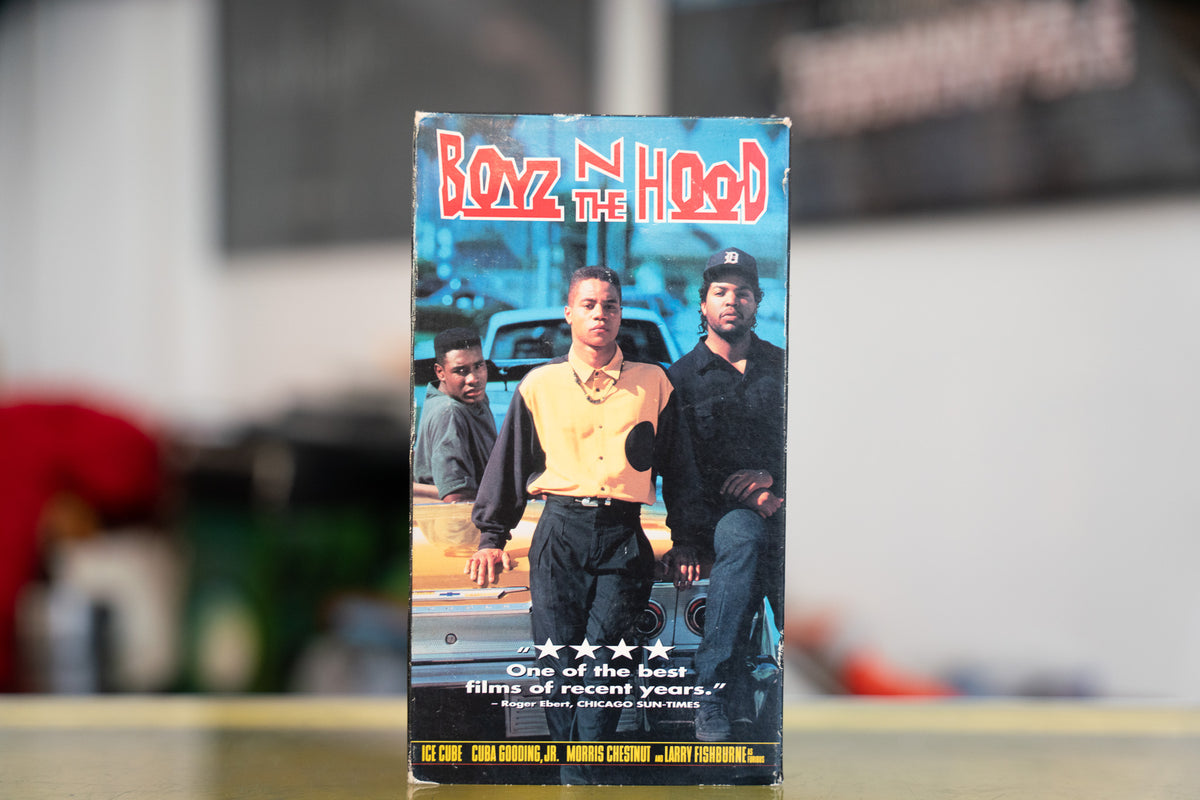
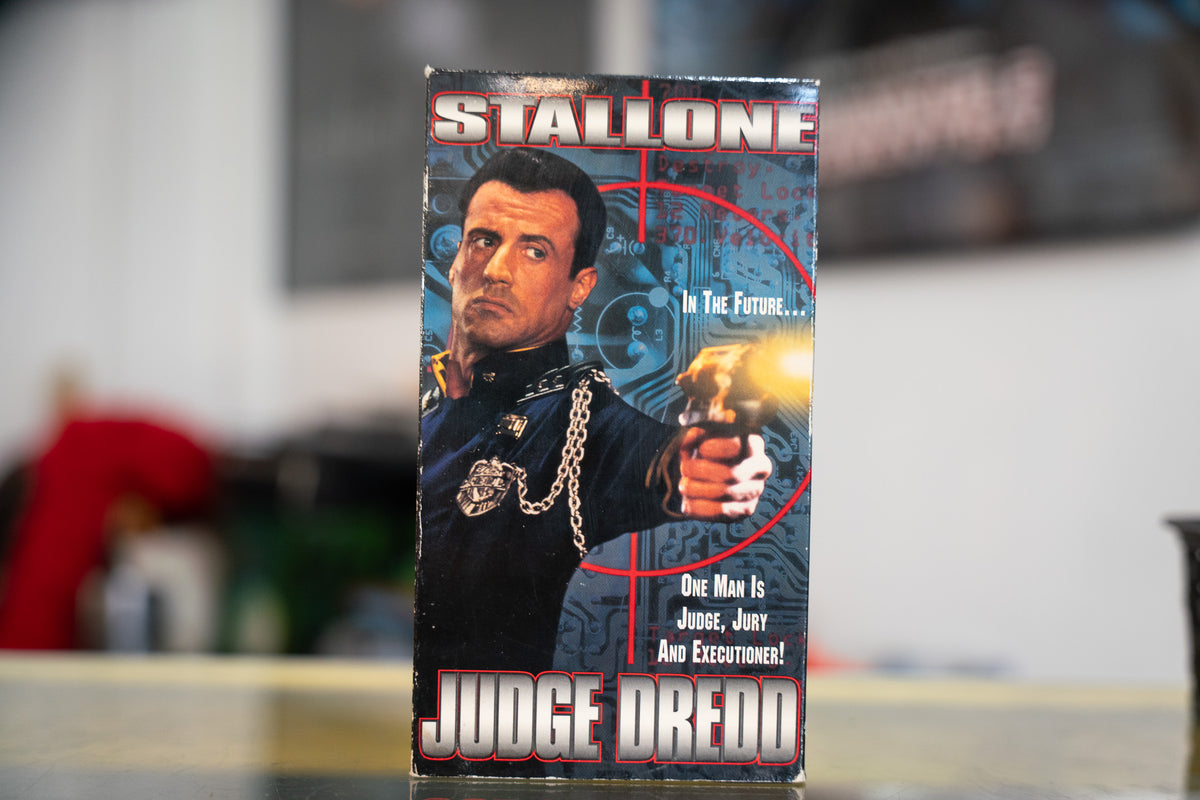
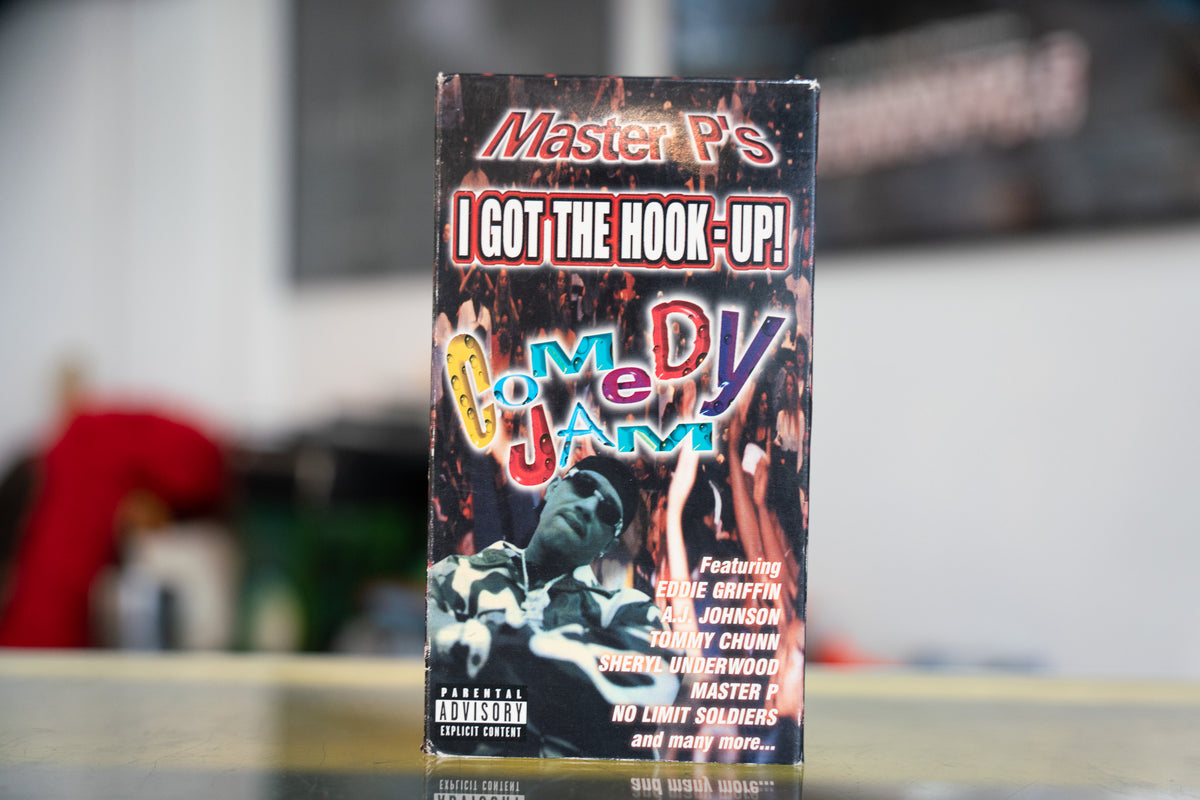
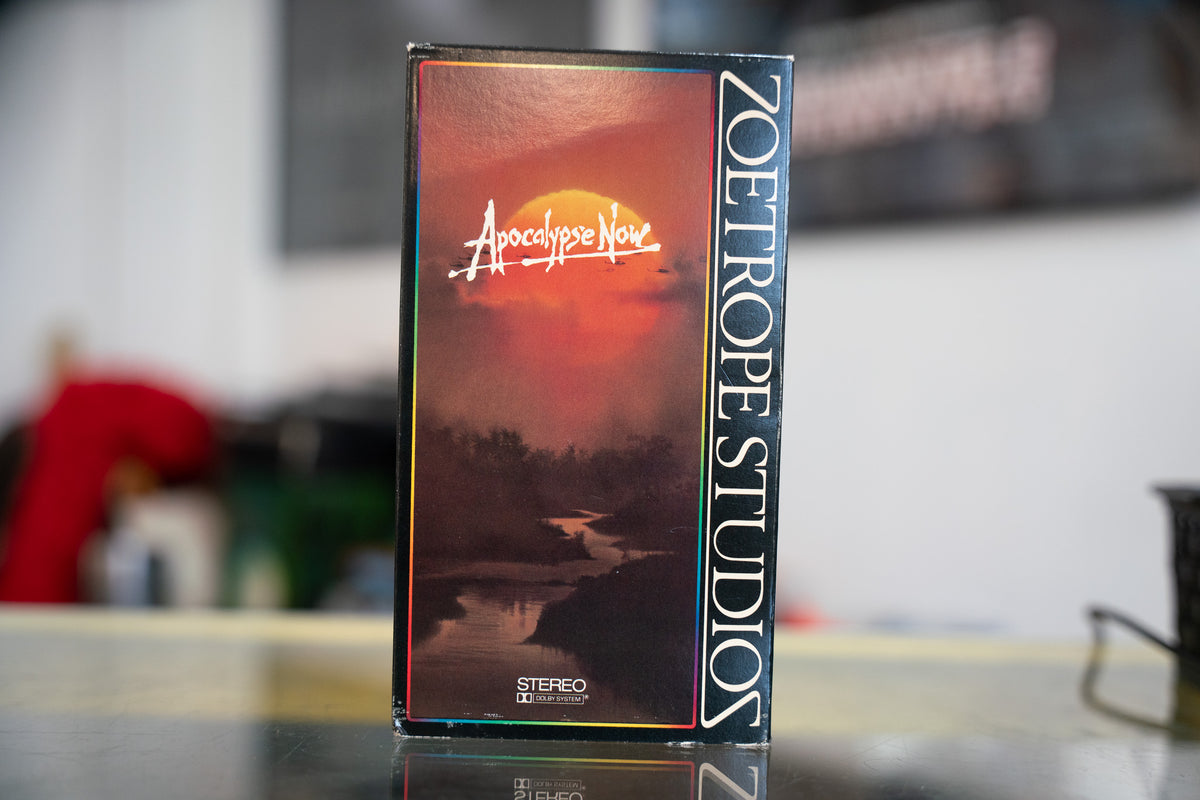
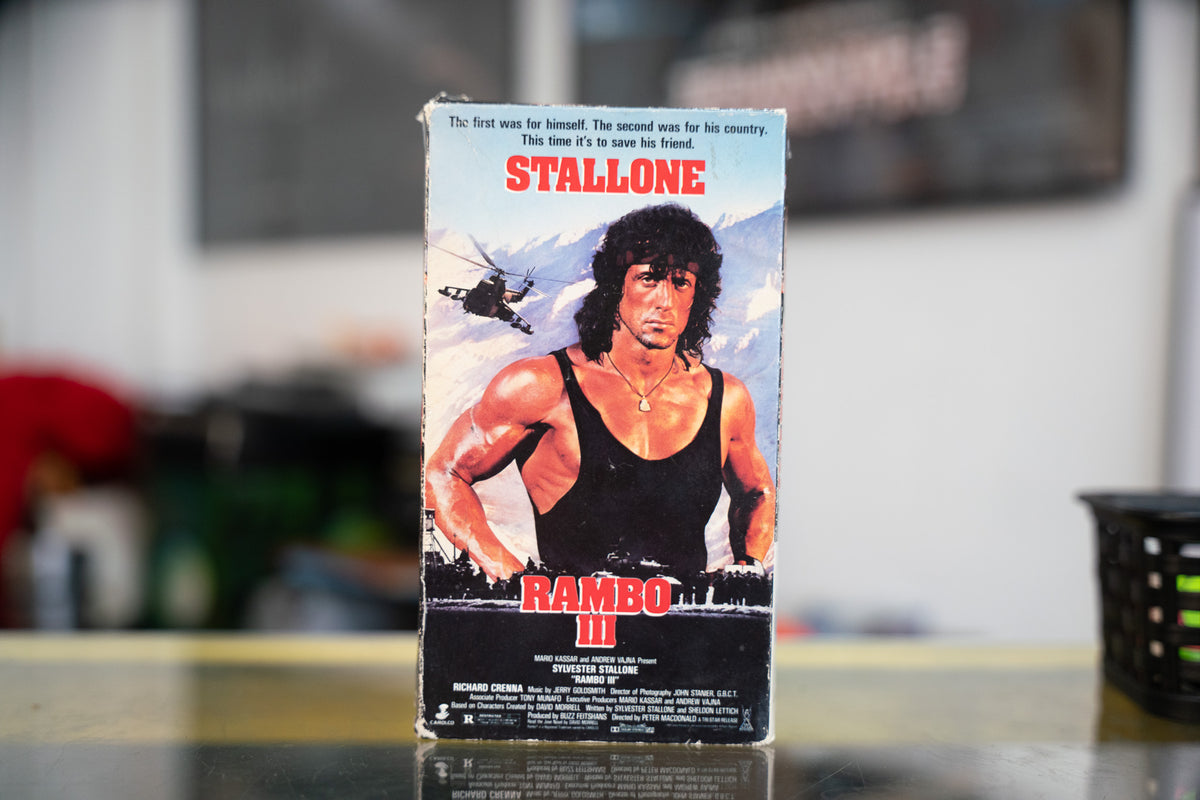
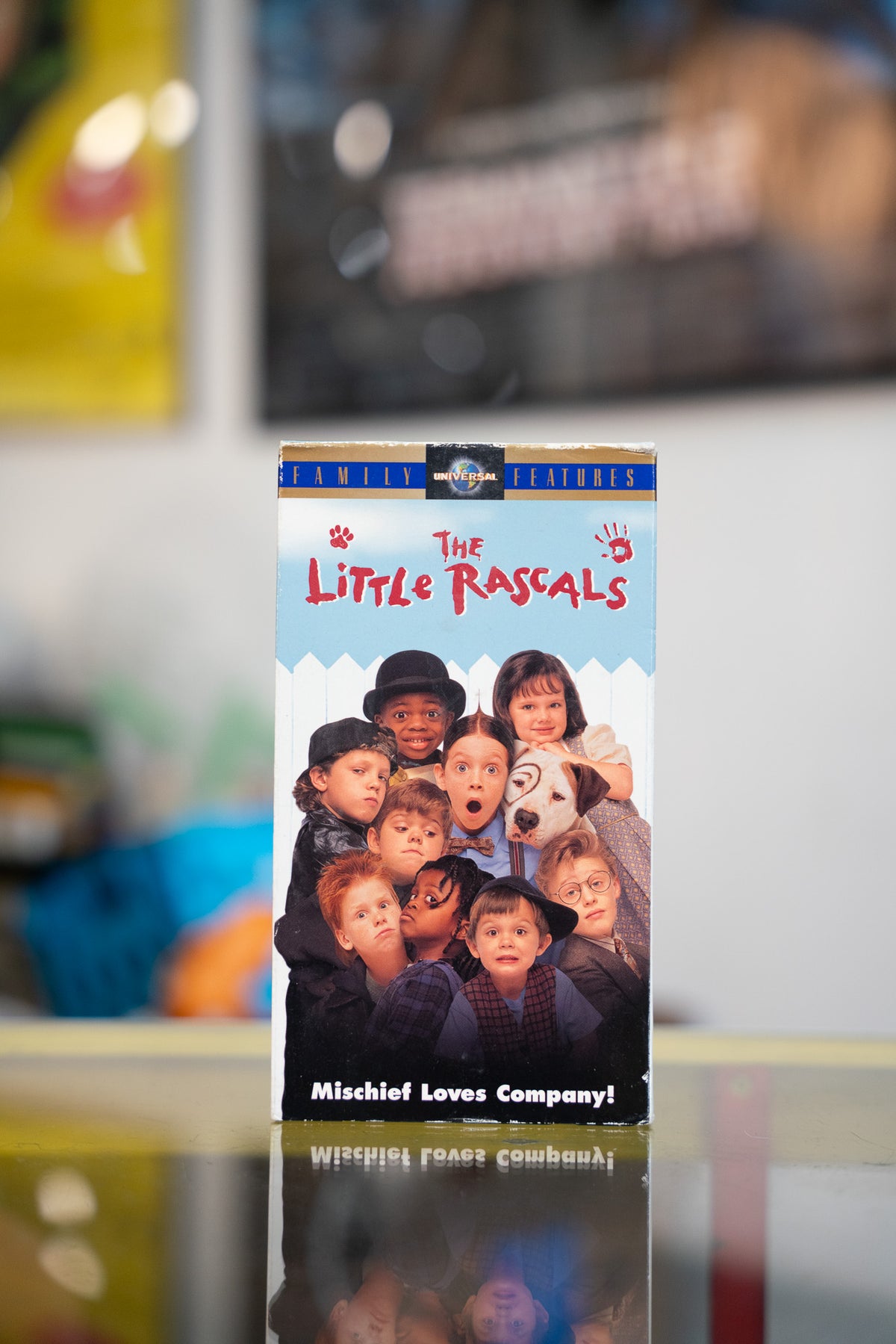
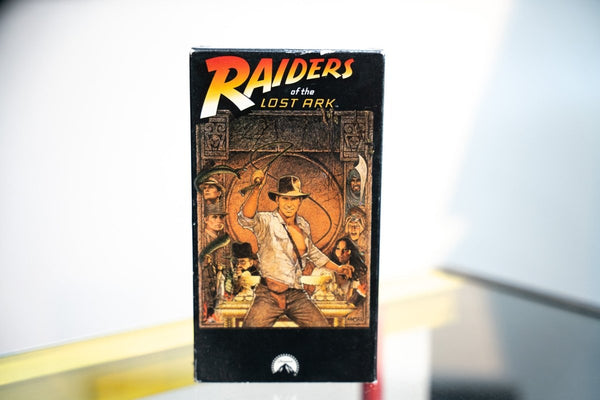
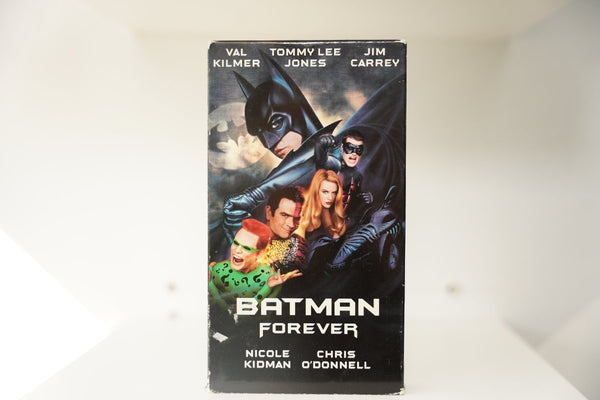
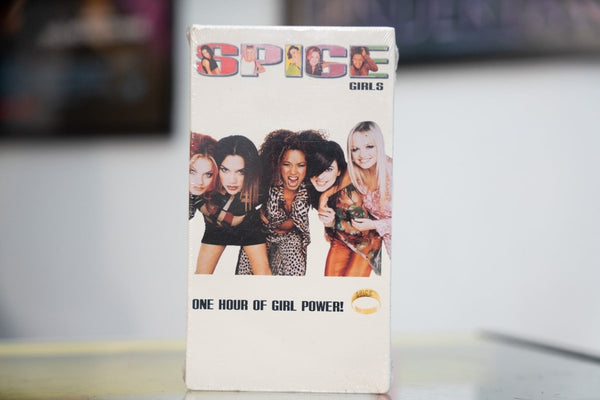
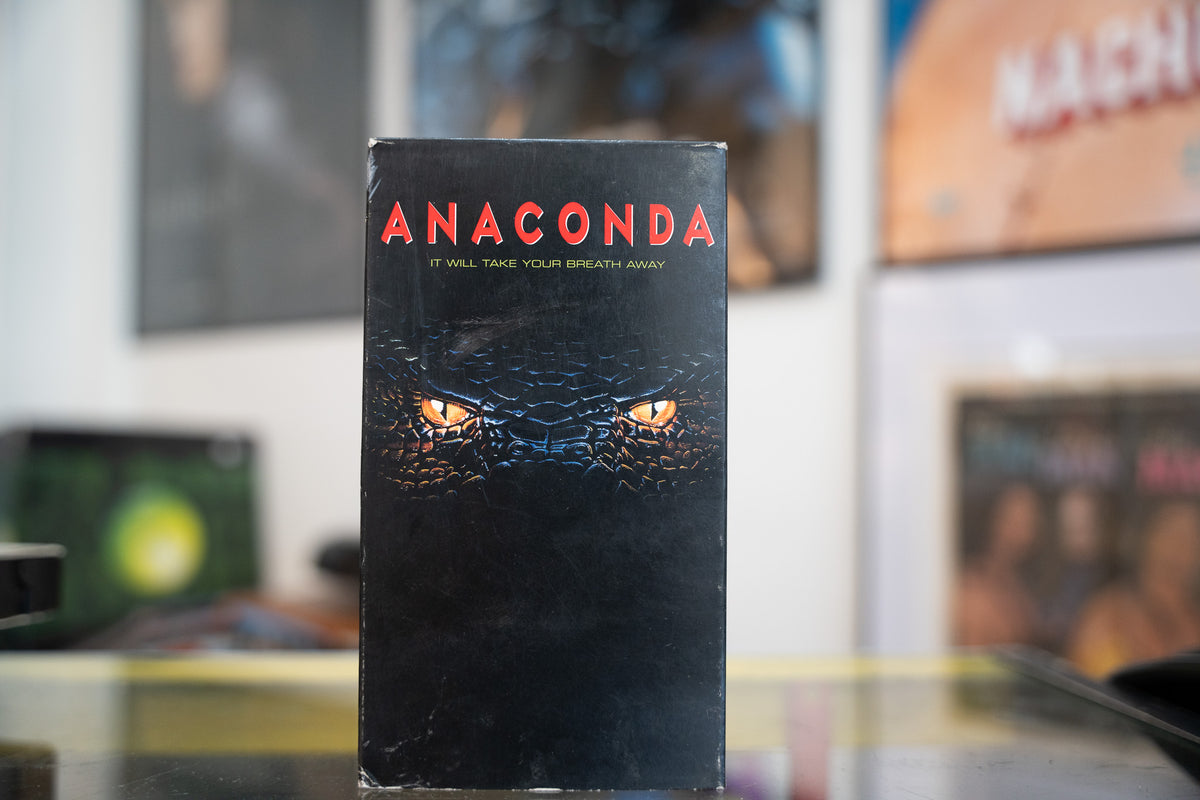
A small slice of the VHS wall. Studio releases, kid-vid, Blockbuster cases, Disney clamshells. Each tape is one of one in this condition, with the slipcase or sleeve photographed in the listing.

Browse the full VHS collection for the current wall.

Why do big-box VHS cost so much more than standard clamshells?
Big-box is the holy grail for horror collectors. Late 70s and early-to-mid 80s VHS shipped in oversized cardboard slipcases before the industry standardized on the small plastic sleeve. Mom-and-pop rental stores trashed most of them. Cult horror titles in their original big-box are the crown jewel of the format, and the scarcity is priced in.
Are Disney clamshells worth keeping intact?
Yes. Those chunky white plastic clamshells from the 80s and early 90s Walt Disney Classics and Black Diamond runs are the collector preference. A sealed Black Diamond clamshell is a different animal from a later green-case reprint. When the clamshell is scuffed, yellowed, or cracked, we note it in the listing.
What do you mean by slipcover and why does it matter?
The slipcover is the printed cardboard sleeve or outer jacket that wraps the case. On horror big-box and on sealed Disney clamshells, slipcover condition drives most of the value. A tape without its original slipcover is a different product, and we price it that way. Every listing tells you what is present and what is not.
Sealed or opened. Does it actually matter?
Sealed commands a premium, especially on horror big-box, wrestling Coliseum Video, and first-print Disney. Factory shrink with the original price sticker is the ceiling. Opened-but-complete is the working collector grade. Ex-rental is its own lane, priced accordingly. We label all three honestly.
What about ex-rental tapes with Blockbuster or mom-and-pop stickers?
Ex-rental is common and not a dealbreaker. Some collectors actively chase tapes with original rental store stickers, watermarks, and security cases. It is part of the artifact. Ex-rentals sit below sealed or clean retail copies in pricing, and the listing will say so outright.
Do you test that the tape plays?
We spot-check. We are selling the physical artifact, the case, the slipcover, and the era. Tapes are thirty to forty years old. Tracking, audio drift, and end-of-tape rewind issues are part of the format, not defects. If a tape is visibly damaged or known dead, we flag it in the listing or pull it.
Why only NTSC and not PAL?
Keep It Classic stocks NTSC (North American region) because that is what plays on the VCRs most of our buyers already own. PAL tapes run at a different frame rate and need a region-switching deck. If you are specifically hunting PAL Hammer Horror or UK-only releases, that is a different market.
How do I tell if a title is actually sought after?
Three signals. First, format (big-box, clamshell, cardboard slip). Second, studio or label (Wizard Video, Vestron, Media Home Entertainment, Continental Video, Thorn EMI all carry weight). Third, cult status of the title itself. A beat-up standard clamshell of a commodity title is a five dollar tape. A big-box slasher from a defunct label is a different conversation.
What is the difference between Coliseum Video and Silver Vision wrestling tapes?
Coliseum Video is the WWF in-house label from 1985 through the late 90s. Those boxy black cases with the gold Coliseum logo are the ones wrestling collectors want. Silver Vision is the UK distribution arm, later era, and sits in a different collector lane. WCW home video and early WWE DVD-era releases are separate shelves again.
How should I store tapes once I get them home?
Upright, like books. Room temperature, away from windows and radiators. Keep them off speakers, subwoofers, and anything with a magnet. Do not stack flat long term. If a tape has been sitting for years, rewind it fully before the first playback to re-tension the spool.
How do you ship VHS?
Padded mailers or boxes with the tape oriented upright, slipcover protected. Big-box and sealed clamshells get extra padding and a rigid outer. We do not cheap out on VHS shipping. The case is half the product.
What happens if a tape shows up damaged in transit or will not play?
Damaged-in-transit is on us. Send a photo within seven days and we make it right. Playback issues on a forty-year-old tape that arrived in the condition described are not a return reason, because we do not warranty playback on vintage magnetic media. Read the listing, ask before you buy, and we will always answer honestly.
Are VHS tapes worth anything in 2026?
Most VHS tapes are worth one dollar or less. Five categories carry collector value. First, horror: early Vestron, Wizard Video, and Media Home Entertainment releases on big-box slipcases can run 50 to 500 dollars or more. Second, Disney Black Diamond Classics, specifically the 1984 to 1994 run with the Black Diamond logo on the spine. Third, sealed-in-shrink factory-new tapes of cult titles, which move into the graded-collectible market through Heritage and IGS. Fourth, promo and screener copies with FOR YOUR CONSIDERATION or NOT FOR RESALE labels. Fifth, early anime OVA releases from AnimEigo, Streamline, and US Manga Corps. Everything outside those five categories is watch-copy territory, which is still a good reason to own it.

Every piece in this collection earned its spot through hands-on sourcing, condition grading, and a lot of late nights. We pull from estate sales, dead-stock attics, and the occasional miracle. If it is here, we trust it.

One of one.Ships from Las Vegas.One of one.Ships from Las Vegas.One of one.Ships from Las Vegas.