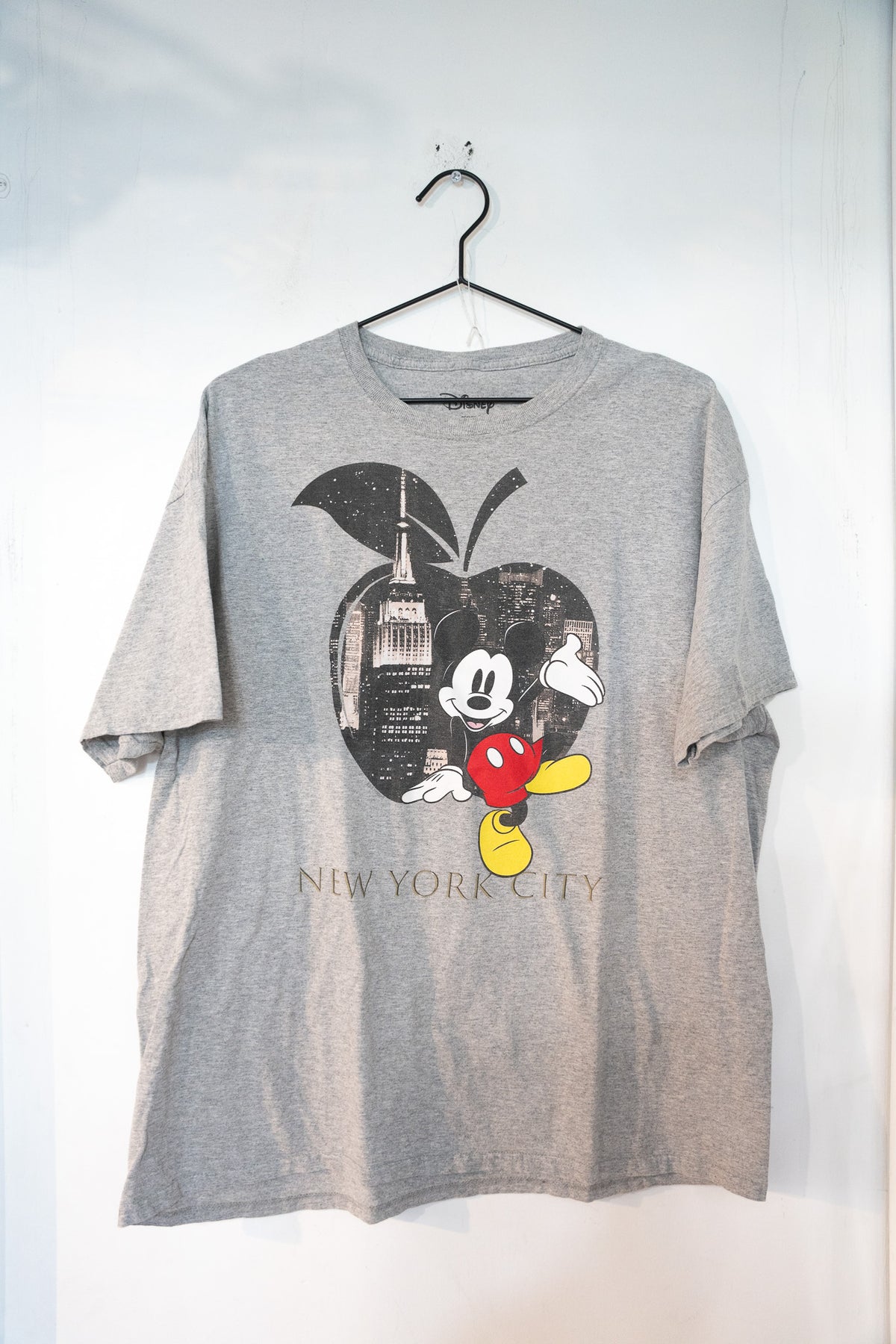
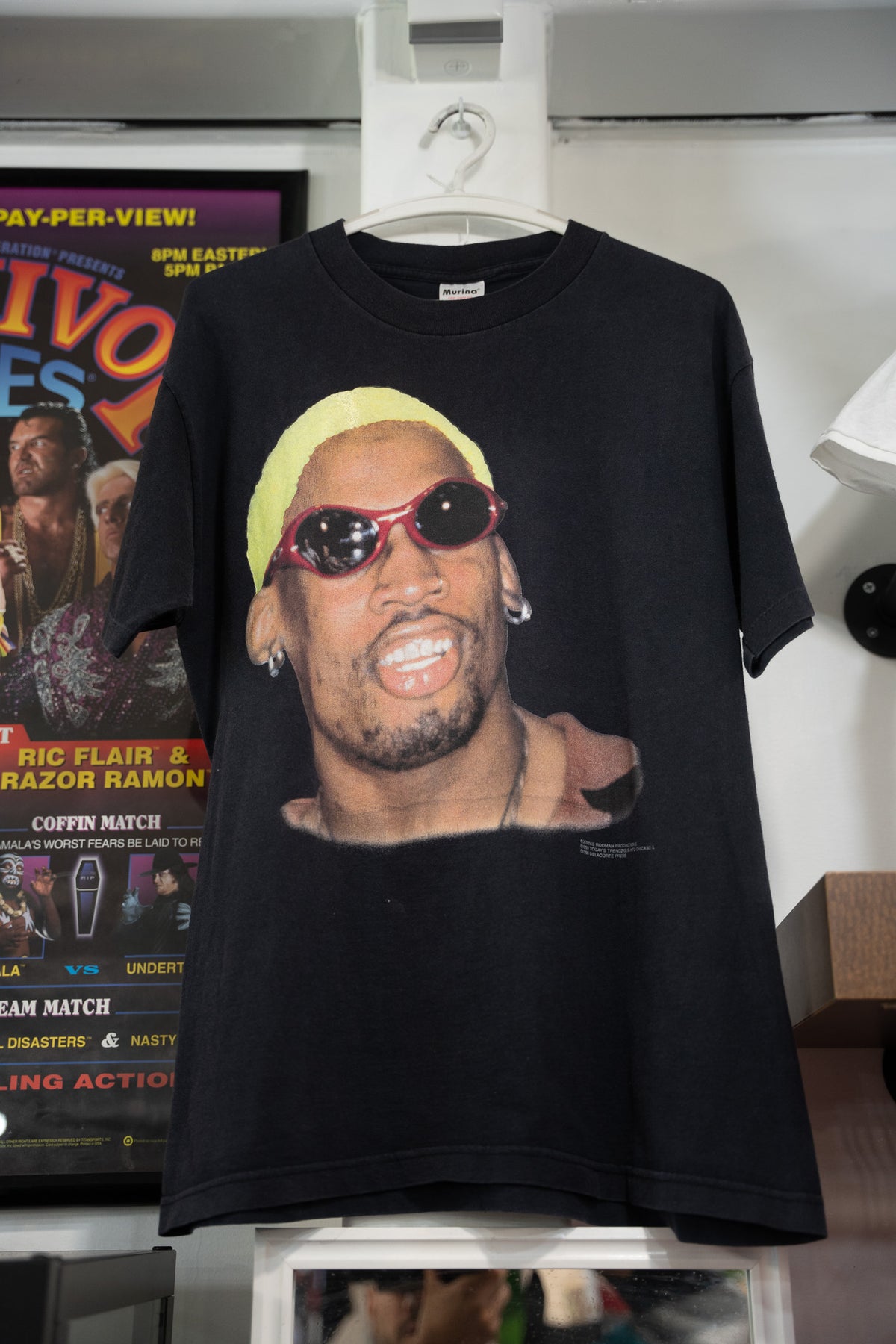
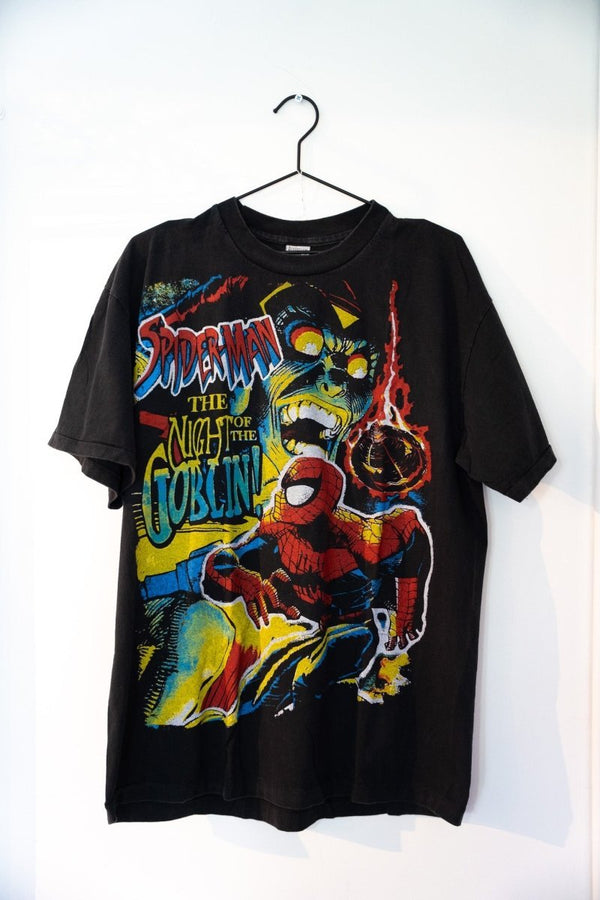
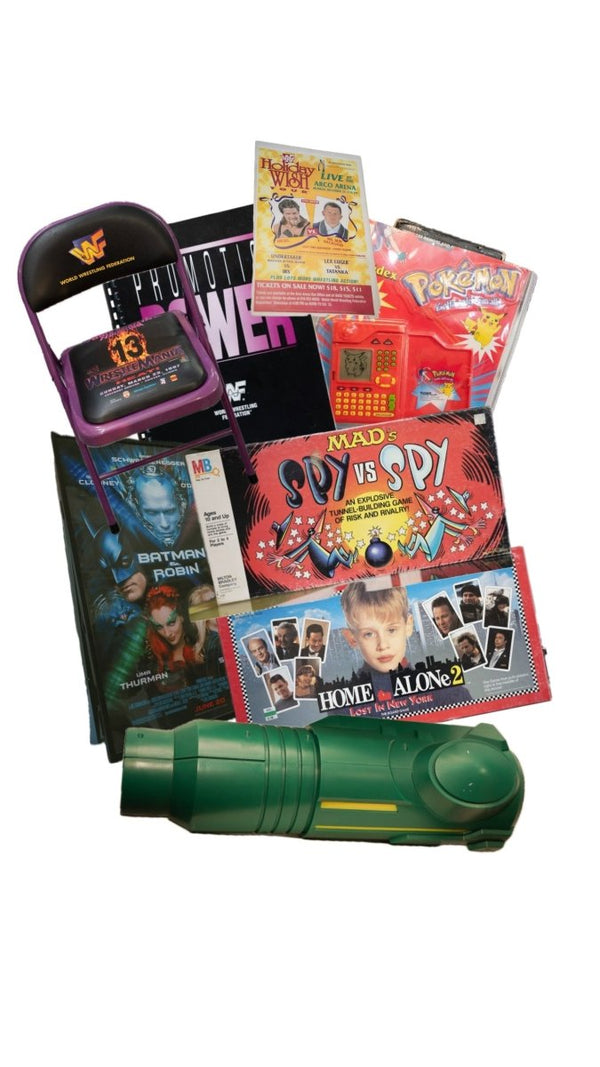
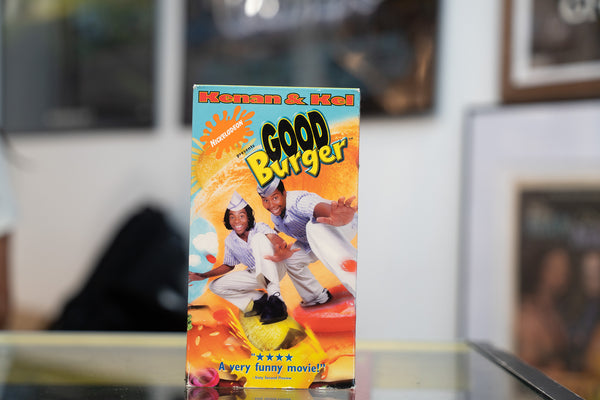
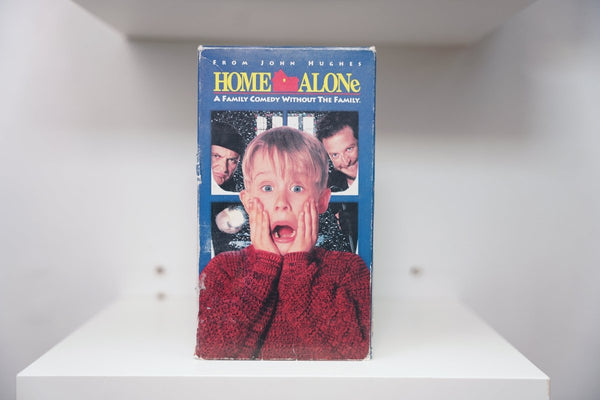
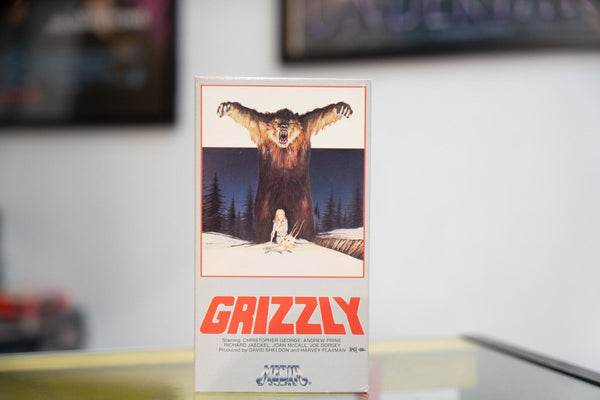
The 90s at Keep It Classic


Wrestling, gaming, and VHS: three pillars of a decade, one shop floor.
The 90s are the center of gravity for this shop. More pieces on our floor come from the 1990 to 2001 window than any other decade, and the category spread (wrestling, sports, graphic tees, games, VHS, toys, jerseys, action films, hip-hop) is wider than anything before or after.
This is our primer on what the decade looked like across the categories we stock, what to watch for when you are buying, and where the shop-floor knowledge comes from.
Our 90s Nostalgia collection holds over 1,300 active 90s-era pieces. The collection is tagged by category inside, and the deeper notes below go piece by piece through what we carry.
What counts as 90s
For the shop, the 90s run from 1990 into the first half of 2001, because the cultural arcs that started in 1990 (the WWF Attitude Era build, NBA Starter explosion, graphic-tee economy, Blockbuster-era VHS) did not break clean at New Year's Eve 1999. We tag Y2K-specific style (1999 to 2002) separately, but most of what reads as "90s" on the floor extends a year or two past the calendar boundary.
Wrestling
Wrestling is the single deepest 90s category in the shop (see also our Wrestling collection), and it is where the buying floor runs deepest.

The Monday Night Wars ran from September 4, 1995, the night Nitro debuted, to March 26, 2001, when WCW went off the air. Six years of WWF against WCW, two hours a week, drove the largest merchandise output in professional wrestling history.
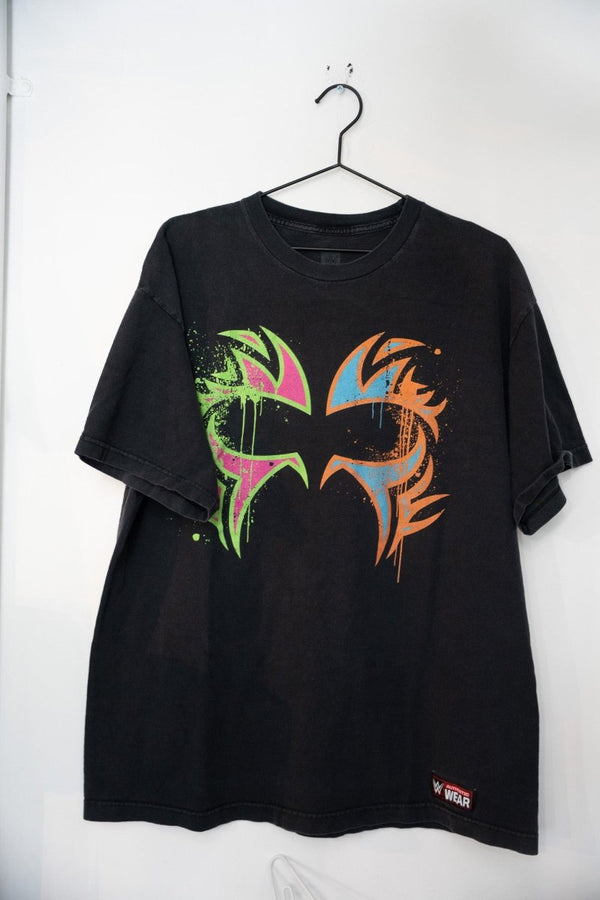
WWF Attitude Era.
The Attitude Era is usually dated 1997 to 2002, anchored by Stone Cold Steve Austin's 1996 King of the Ring "Austin 3:16" promo. Pre-rebrand WWF shirts from this window (Austin, Rock, Mankind, DX, Undertaker, Kane) are the most-requested pieces at the counter.
The copyright notice on the hem tag is how you read the year (see our authenticity guides). Titan Sports, Inc. was the legal entity through 1999. World Wrestling Federation Entertainment, Inc. appeared in 1999. World Wrestling Federation, Inc. is pre-1999. Bootlegs from this era almost always miss the Inc. or print it on the collar instead of the hem.
The F-is-silent era ended May 6, 2002, when the federation rebranded to WWE after the World Wildlife Fund lawsuit. Any shirt with the pre-2002 block WWF logo and a 1998 to 2001 copyright is the period original.
WCW Monday Nitro and NWO.
WCW shirts run from 1996 (Nitro launch) to March 2001 (Turner Broadcasting shutdown). The New World Order (nWo) arc started at Bash at the Beach on July 7, 1996, when Hulk Hogan turned heel and joined Kevin Nash and Scott Hall. The black-and-white nWo wolfpack print dominated 1996 to 1998 merchandise.
Sting's Crow-era repaint (face paint, black trench coat, dropping from the rafters) started August 1996 and ran through Starrcade 1997. Sting shirts from this window are the most sought-after WCW pieces in the shop.
NWA and Jim Crockett Promotions.
Pre-1988 NWA and Jim Crockett Promotions merchandise predates the 90s window but still surfaces regularly on our wrestling floor. The Four Horsemen, Dusty Rhodes, Ric Flair, and Magnum TA tees and posters from the Crockett era feed into the 90s WCW catalog that followed.
Coliseum Home Video VHS.
Coliseum Home Video was the exclusive WWF VHS licensee from 1985 through 1997, when WWF Home Video took over direct distribution. Coliseum catalog numbers start with WF and run to around WF135 by 1997. A WWF tape with a WF-series Coliseum label and a pre-1997 copyright is period original. WWE Home Video re-releases from 2002 forward use different catalog numbers and updated box art. We grade the two as different pieces under our condition scale, not interchangeable.
WrestleMania VHS from Coliseum (WrestleMania III through XIV) is the strongest tentpole in the 90s wrestling VHS catalog.
Apparel
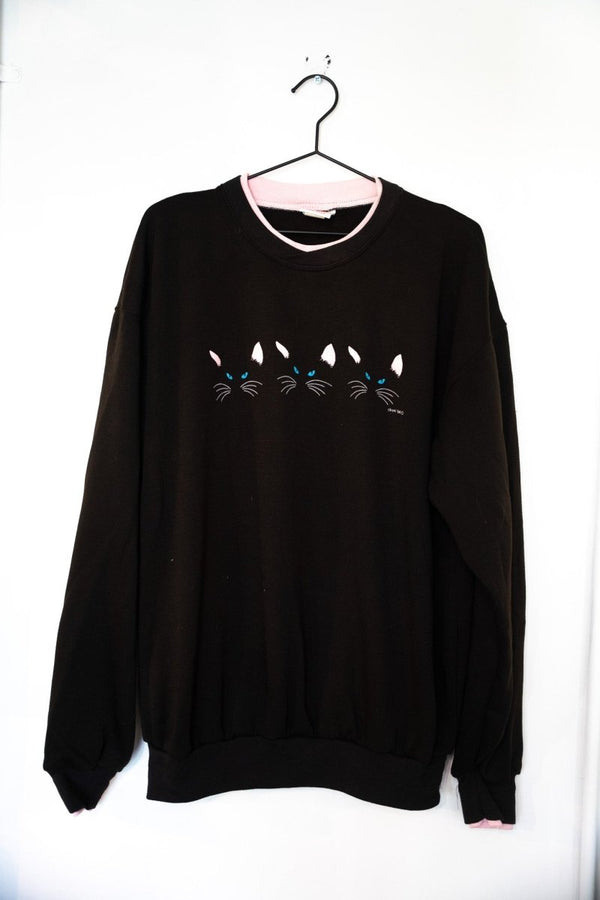
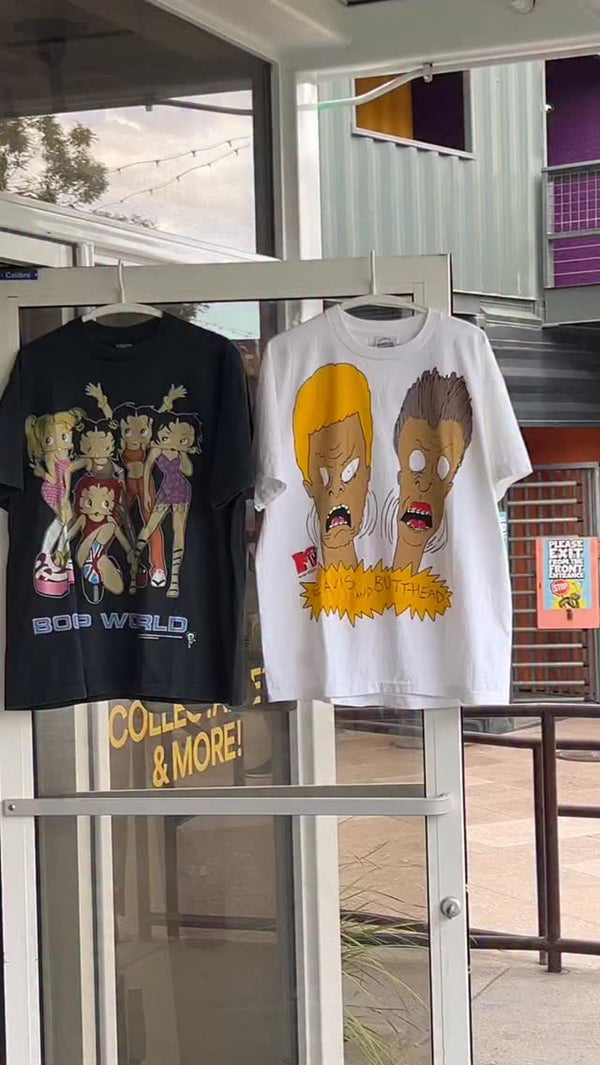
The 90s graphic-tee economy was bigger than any decade before it. Tour shirts, film promos, sports teams, cartoon licenses, and fast-food cross-promotions all printed at volume, and the surviving pieces sit on our floor today.

Single-stitch versus double-stitch.
Single-stitch hems (one needle, one thread line on the sleeve and bottom hem) were the industry default through approximately 1998. Double-stitch replaced single-stitch as the US manufacturing standard during 1999 to 2000. Single-stitch construction is the first tell of a pre-1998 piece. It is not a guarantee (some overseas manufacturers ran single-stitch later, some US brands switched early) but it is the strongest first read on a tag-missing tee.
Starter and Logo 7 jackets.
Starter held the NFL and NBA satin and wool-jacket license through most of the 90s (NFL license 1989 to 1995, NBA license 1988 through the decade). Logo 7 held overlapping MLB and NFL licenses, particularly on poplin pullovers and color-block jackets. Pro Player (Fruit of the Loom subsidiary) picked up the NFL license from Starter in 1995.
Starter jackets are often misdated. The registered-trademark position (chest versus sleeve), the tag design (red rectangular tag with white lettering is 1989 to 1993; the later oval tag is 1994 onward), and the lining (quilted poly lining for wool, taffeta for satin) all date the piece.
Hypercolor.
Hypercolor (heat-reactive dye T-shirts by Generra, Seattle) launched 1988 and was a 1991 pop-culture peak. Generra filed for bankruptcy in 1992, and original Hypercolor pieces stopped production. Period-original Hypercolor tees with working thermochromic dye (the reaction weakens after repeated washing) are rare and price accordingly on the floor.
Tour shirts and film promos.
Single-stitch 1990s tour shirts (rap, rock, country, metal) and film promotional tees (Jurassic Park 1993, Space Jam 1996, Independence Day 1996, The Lion King 1994) are the strongest-moving graphic-tee category in the shop.
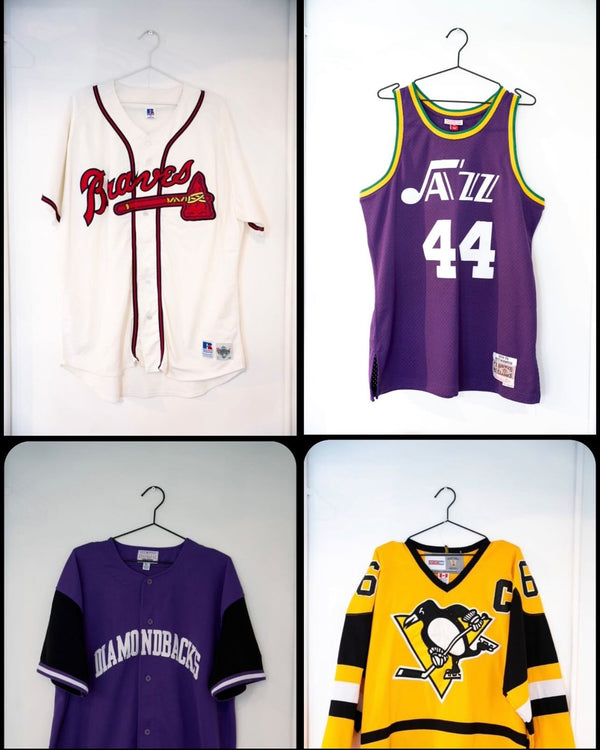
Starter, Champion, and Nike jerseys
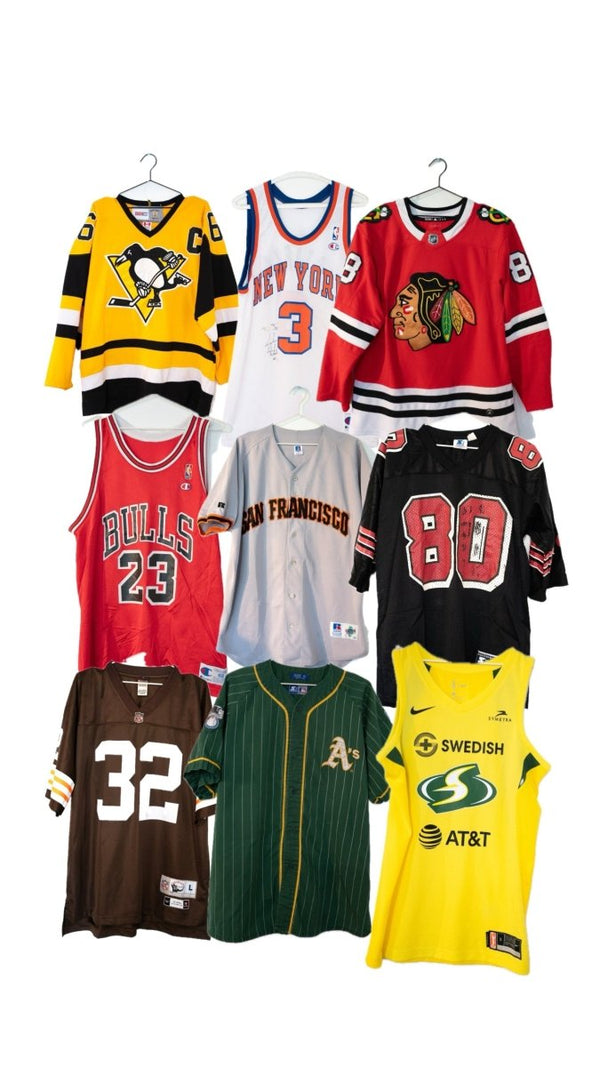
The 90s jersey arc moves from Starter dominance (1988 to 1995, all four major leagues) to Champion picking up the NBA license 1990 to 2002 to Nike winning the NFL license starting 2001 and the NBA starting 2017.

Starter NBA jerseys from 1988 through 1997 were the first replica NBA jerseys mass-marketed to fans. The marquee pieces (Jordan Bulls, Shaq Magic, Barkley Suns, Penny Magic, Malone Jazz) are Starter or Champion, not Nike, not Mitchell and Ness.
Mitchell and Ness started the Hardwood Classics throwback jersey line in 1996 (see our jerseys), and the program expanded through the 2000s. Throwbacks are period-accurate reproductions licensed by the leagues, not original game-wear. They are legitimate and collectible, but a buyer should know the difference.
Pro-cut and game-used jerseys carry jock tags (tag sewn into the lower front hem with player number, year, and team) that replica jerseys do not. The jock tag is the first read on game-worn authentication.
Starter and Logo 7 NFL jerseys from the 1989 to 1995 license window are the core of our vintage NFL inventory.
Video games
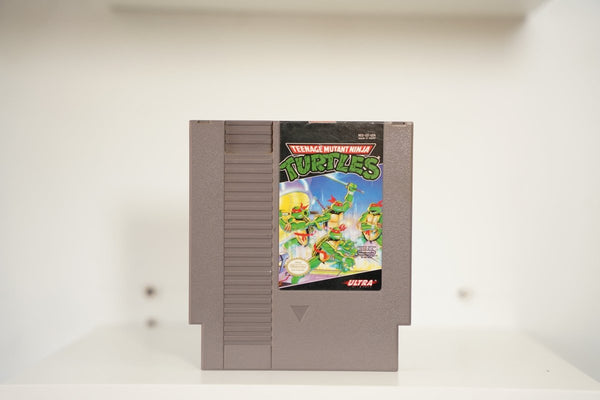
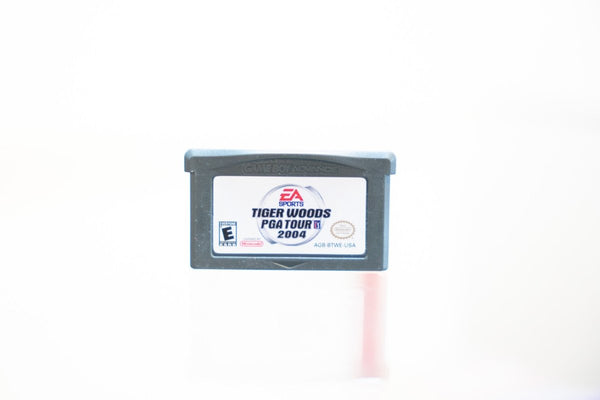
The 90s covered the full 16-bit era (SNES, Genesis), the 32-bit transition (PS1, Saturn), the 64-bit peak (N64), and the final-gen-before-HD launch (Dreamcast in North America September 9, 1999).


SNES.
The Super Nintendo Entertainment System launched in North America August 23, 1991. The final first-party SNES title was Frogger in November 1998. SNES cartridges shipped with two label designs during their lifespan. The earlier oval Nintendo Seal of Quality ran roughly 1991 to 1993, and the later circle seal replaced it. The cartridge itself also went through two case variants (flat top and curved top). Pre-1994 SNES pieces almost always have the oval seal and the flat-top case.
Key 90s SNES titles still moving on our floor: Chrono Trigger, Super Metroid, Final Fantasy III (US numbering, actually FF VI), Donkey Kong Country, Earthbound, Zelda: A Link to the Past.
N64.
The Nintendo 64 launched in North America September 29, 1996. GoldenEye 007 (August 1997) and Ocarina of Time (November 1998) are the two 90s N64 tentpole titles, both still the first request at the counter when a collector walks in for 64-era content.
PS1.
The original PlayStation launched in North America September 9, 1995. Final Fantasy VII (September 1997) was the cultural peak title and the single game most frequently mentioned by walk-in collectors. The Greatest Hits reprint line (green long-box) started 1996 and is distinguishable from the black-label original.
Dreamcast.
The Sega Dreamcast launched 9-9-99 and was discontinued March 31, 2001. The short 18-month North American life cycle means the full catalog is small, and sealed or CIB Dreamcast titles are priced accordingly.
Blockbuster-era rental.
Blockbuster Video peaked at around 9,000 stores in 2004. Most 90s rental-era games in our inventory came out of Blockbuster store liquidations. A rental-case variant on a PS1 or N64 game has a plastic clamshell sleeve over the original case and often a manual replacement card. These are not manufacturing defects, they are rental-specific releases, and we grade them as a distinct variant.
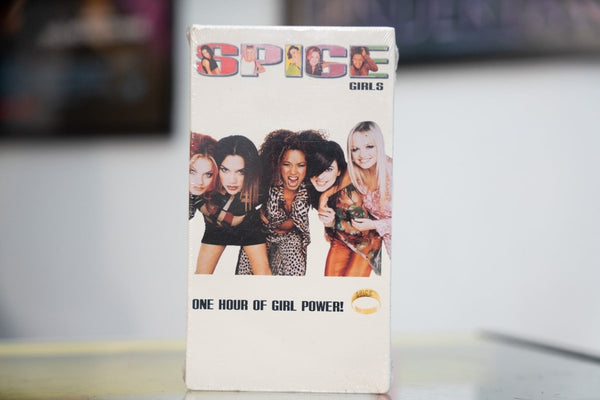
VHS
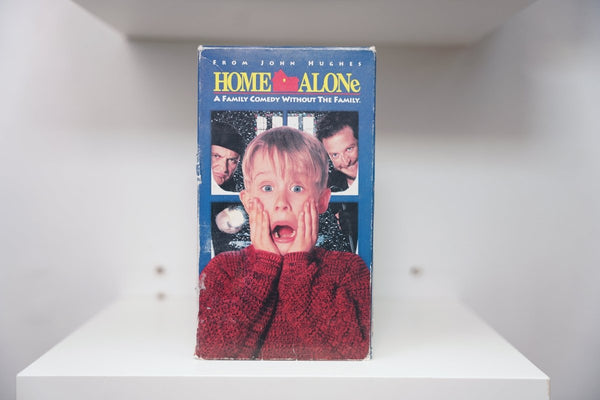
The 90s were the VHS tape's peak and last decade. The format launched in 1977, dominated home video from the late 1980s, and was officially phased out by major studios in 2006. Our 90s VHS inventory covers four distinct subcategories.


Disney clamshell canon.
The Disney Black Diamond Classics line (1984 to 1994) is the most collected VHS category in the shop. The Little Mermaid (1989), Beauty and the Beast (1992), Aladdin (1993), and The Lion King (1994) are the Black Diamond flagship titles. The later Masterpiece Collection (1994 to 1999) replaced Black Diamond and is not the same.
Black Diamond identification: the small black diamond logo with "Classics" text at the bottom of the spine. Absence of the diamond drops the piece out of the collector category.
Rental-era pressings.
A rental copy is usually in a plastic clamshell case (not the retail cardboard slipcase), carries a Blockbuster or store-specific sticker, and has a rental-only insert or warning card. We grade these as their own tier and do not mix them with retail releases.
Cult-classic and sleepover circuit.
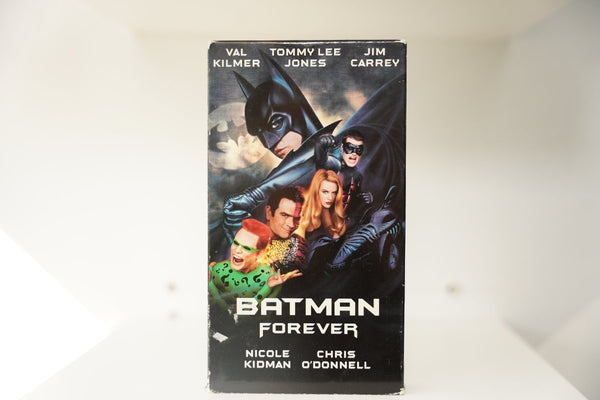
Mid-90s cult VHS (Clueless, The Sandlot, Hocus Pocus, Hook, Jumanji, Independence Day, Men in Black, Space Jam) is the sleepover-nostalgia tentpole and the strongest-moving film category outside of Disney and wrestling.
Coliseum and wrestling VHS.
Covered in the Wrestling section above. Worth repeating: Coliseum Home Video catalog numbers and pre-1997 copyrights separate period originals from WWE Home Video re-releases.
Sports
The 90s jersey arc is covered above. A few additional sports signals we read for:

NBA on NBC ran 1990 to 2002 and is the TV backdrop of every 90s NBA pop-culture reference. The John Tesh theme, the Bulls dynasty (1991, 1992, 1993, 1996, 1997, 1998), and the Lakers-Kings and Bulls-Jazz finals all sit in this window.
NFL Starter and Logo 7 licensing ran through 1995 before Pro Player and then Reebok (1998 onward) took over. Pre-1995 Starter and Logo 7 NFL jerseys and jackets are the core 90s NFL inventory.
MLB throwbacks. Mitchell and Ness launched authentic throwback MLB jerseys in 1996, and the 1994 World Series cancellation drove a retro-team-merchandise bump through the late 90s. Negro Leagues throwbacks (particularly Kansas City Monarchs and Homestead Grays) became collectible through Spike Lee's Do the Right Thing wardrobe and 90s hip-hop video presence.
NHL team logo changes. The Mighty Ducks of Anaheim launched 1993 with the original purple and jade logo, which ran through 2006. Original Ducks 90s merchandise is the tentpole 90s NHL category in the shop.
Film and TV
90s film and TV tee and poster inventory covers four main waves:

Teen comedies and coming-of-age (Clueless 1995, Romy and Michele 1997, 10 Things I Hate About You 1999, She's All That 1999).
Action and blockbuster (Jurassic Park 1993, Independence Day 1996, Men in Black 1997, The Matrix 1999, Armageddon 1998).
Attitude-era crossovers (Space Jam 1996, WrestleMania III Aretha Franklin video, WCW Halloween Havoc 1997 Jay Leno appearance).
MTV and late-night (Beavis and Butt-Head 1993 to 1997, The Real World 1992 onward, Daria 1997, Celebrity Deathmatch 1998, SNL 90s cast).
What we see on the floor
What a walk-in 90s collector typically pulls out of our cases in one visit: a single-stitch Attitude-era wrestling tee, a Starter or Champion basketball jersey, a Black Diamond Disney tape or a Coliseum wrestling tape, a CIB N64 or SNES title they remember from childhood, and a film-promo tee from a movie they saw in theaters.
Our 90s floor refreshes every Friday. The deepest-cut pieces usually sit in the display case behind the counter rather than on the main rack. Ask.
Visit us at 707 E Fremont Street, Suite 1170, Las Vegas, Nevada 89101, open daily 11:30 a.m. to 9 p.m. Call (702) 605-3332 or email info@keepitclassiclv.com to ask after a specific 90s piece before you make the trip.